
In the digital economy of 2026, data has become the most valuable asset for organizations across industries. From startups to multinational corporations, businesses generate vast amounts of information every second through transactions, customer interactions, marketing campaigns, supply chains, and operational processes. However, raw data alone holds no value unless it is transformed into meaningful insights. This is where Business Intelligence (BI) emerges as a game-changing strategy that enables companies to convert complex data into actionable knowledge.
Business Intelligence refers to the technologies, processes, and strategies used to analyze data and support smarter decision-making. It empowers leaders to track performance, identify trends, forecast outcomes, and optimize operations efficiently. Instead of relying on intuition, organizations leverage BI tools to make evidence-based decisions that drive measurable growth.
In a competitive marketplace where speed and accuracy define success, Business Intelligence becomes the foundation of sustainable innovation. This comprehensive, SEO-optimized blog article explores the true meaning of Business Intelligence, its components, tools, benefits, implementation strategies, and future impact on global enterprises.
Understanding Business Intelligence: Definition and Core Concepts
Business Intelligence is more than dashboards and charts; it represents a holistic system designed to collect, process, analyze, and present data in a way that supports strategic planning. At its core, BI integrates data from multiple sources—such as CRM systems, ERP platforms, marketing tools, and financial software—into a unified analytical framework.
The main objective of Business Intelligence is to enable data-driven decision-making across all levels of an organization. Whether it is monitoring sales performance, tracking supply chain efficiency, or analyzing customer behavior, BI provides clarity and direction.
Modern BI systems often rely on data warehouses, data lakes, and real-time analytics engines. These technologies consolidate structured and unstructured data into centralized repositories. From there, advanced analytics tools transform numbers into visual reports, predictive models, and performance indicators.
Business Intelligence eliminates guesswork and replaces it with measurable insights. Instead of waiting for monthly summaries, leaders can access real-time dashboards that reflect current business conditions.
BI also supports descriptive, diagnostic, predictive, and prescriptive analytics. Descriptive analytics explains what happened. Diagnostic analytics uncovers why it happened. Predictive analytics forecasts what might happen next. Prescriptive analytics recommends actionable solutions.
By integrating these analytical layers, Business Intelligence empowers organizations to move from reactive to proactive strategies. It becomes a compass guiding businesses through uncertainty.
Ultimately, BI bridges the gap between raw information and executive action, turning complexity into clarity.
Key Components of a Business Intelligence System
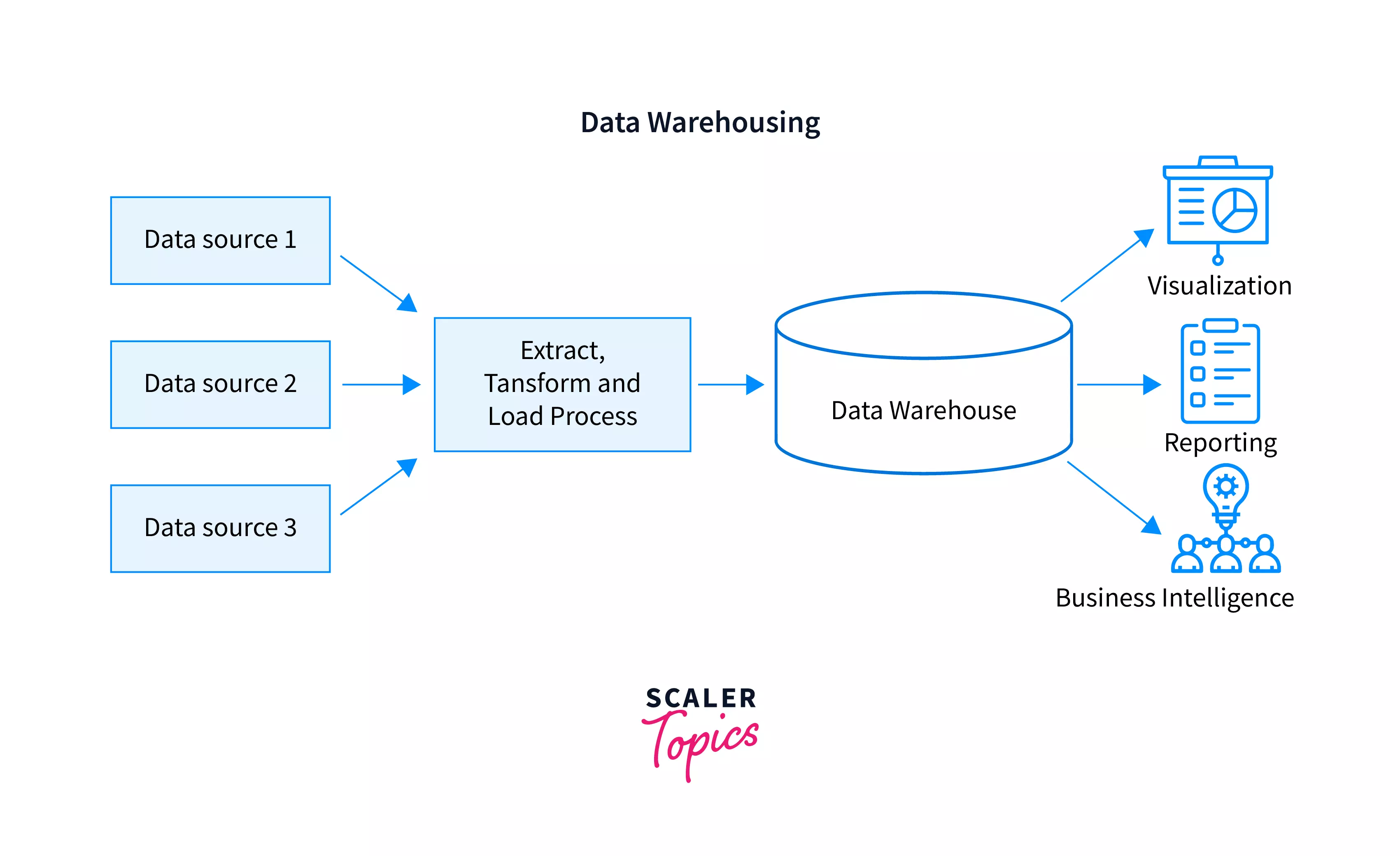
A successful Business Intelligence framework consists of several interconnected components that work together seamlessly.
The first component is data collection, which gathers information from internal and external sources. This includes transactional databases, cloud platforms, IoT devices, social media, and third-party APIs.
Next comes data integration, often managed through ETL (Extract, Transform, Load) processes. ETL tools extract data from multiple systems, transform it into standardized formats, and load it into centralized storage systems.
Data storage typically relies on data warehouses or data lakes. These repositories ensure that large volumes of information remain organized, secure, and accessible for analysis.
Analytics engines then process stored data using statistical models, machine learning algorithms, and query systems.
Visualization tools translate complex datasets into user-friendly dashboards, charts, and interactive reports. Clear visuals enable non-technical stakeholders to understand insights quickly.
Reporting mechanisms distribute insights across departments, ensuring alignment between marketing, finance, operations, and leadership teams.
Security and governance remain essential components of Business Intelligence systems. Proper data protection ensures compliance with regulations and safeguards sensitive information.
Together, these elements form a cohesive BI ecosystem that drives informed strategic decisions.
Top Business Intelligence Tools and Platforms
Numerous BI platforms dominate the global market, offering powerful analytics capabilities tailored to diverse business needs.
One of the most popular solutions is Microsoft Power BI, known for its intuitive interface and seamless integration with Microsoft ecosystems. It enables users to create dynamic dashboards and perform advanced analytics with minimal coding.
Another leading platform is Tableau, renowned for its interactive data visualization features. Tableau transforms raw data into compelling visual stories that enhance executive presentations.
SAP BusinessObjects provides enterprise-level BI solutions designed for large organizations requiring complex reporting capabilities.
Similarly, Oracle Business Intelligence delivers robust analytics integrated with Oracle’s enterprise software ecosystem.
Each Business Intelligence tool offers unique strengths, from advanced data modeling to AI-powered insights. Organizations select platforms based on scalability, integration capabilities, and industry requirements.
Cloud-based BI solutions are increasingly popular due to flexibility, cost efficiency, and real-time collaboration features.
Choosing the right BI platform directly influences data accessibility, decision speed, and operational efficiency.
With constant innovation in analytics technology, BI tools continue evolving to meet modern enterprise demands.
Benefits of Business Intelligence for Organizations
The advantages of implementing Business Intelligence extend far beyond reporting. BI creates a culture of transparency and accountability throughout organizations.
Improved decision-making stands as the primary benefit of Business Intelligence. Leaders gain access to accurate, timely insights that reduce reliance on intuition.
Operational efficiency increases as companies identify inefficiencies, bottlenecks, and cost-saving opportunities. BI dashboards highlight underperforming areas that require optimization.
Customer satisfaction improves when businesses analyze purchasing behavior and personalize services accordingly.
Real-time analytics empower organizations to respond swiftly to market changes. This agility enhances competitiveness in dynamic industries.
Revenue growth often follows BI adoption because companies identify high-performing products, profitable customer segments, and expansion opportunities.
Risk management becomes more effective with predictive analytics. Businesses can anticipate potential disruptions and develop contingency plans.
Business Intelligence fosters collaboration across departments by providing shared performance metrics and transparent reporting.
Ultimately, BI strengthens strategic alignment, ensuring every team works toward measurable objectives supported by data.
Implementing Business Intelligence Successfully
Adopting Business Intelligence requires careful planning, technical expertise, and organizational commitment.
The first step involves defining clear objectives. Companies must identify which business challenges BI aims to solve—whether improving sales forecasting or optimizing inventory management.
Next comes data preparation. Clean, accurate, and consistent data forms the backbone of reliable analytics.
Selecting the appropriate BI platform ensures scalability and integration with existing systems.
Leadership support remains critical for successful implementation. Executives must champion data-driven culture and allocate necessary resources.
Training employees to interpret dashboards and analytics ensures maximum utilization of BI tools.
Organizations should establish data governance frameworks to maintain accuracy, security, and compliance.
Continuous monitoring and optimization guarantee that Business Intelligence systems evolve alongside business needs.
When implemented strategically, BI becomes an indispensable asset driving sustainable growth.
Challenges and Common Misconceptions About BI
Despite its benefits, Business Intelligence implementation presents challenges.
Data silos remain a major obstacle. When departments operate independently, integrating information becomes complex.
High implementation costs may discourage small businesses, although cloud solutions now offer affordable options.
Another misconception is that BI automatically guarantees success. In reality, Business Intelligence tools are only as effective as the strategies guiding them.
Resistance to change may hinder adoption. Employees accustomed to traditional decision-making methods might hesitate to rely on analytics.
Poor data quality can undermine trust in BI insights. Without accurate data, dashboards produce misleading conclusions.
Security risks also demand attention. Organizations must protect sensitive customer and financial information.
Addressing these challenges proactively ensures Business Intelligence delivers maximum return on investment.
Understanding potential obstacles allows companies to build resilient BI infrastructures.
The Future of Business Intelligence in 2026 and Beyond
The future of Business Intelligence is deeply intertwined with artificial intelligence, automation, and big data innovations.
AI-powered analytics now enhance predictive accuracy, enabling organizations to forecast trends with greater precision.
Natural language processing allows users to query data using conversational commands.
Self-service BI platforms empower non-technical employees to generate reports independently.
Real-time streaming analytics support industries like finance, healthcare, and e-commerce, where instant insights are critical.
Cloud-based BI ecosystems provide global accessibility and seamless collaboration across distributed teams.
Data democratization represents the next evolution of Business Intelligence. Every employee, from executives to frontline workers, gains access to relevant insights.
Sustainability metrics and ESG reporting also integrate with BI systems, supporting responsible business practices.
As digital transformation accelerates, Business Intelligence will continue shaping strategic innovation worldwide.
Conclusion: Why Business Intelligence Is the Backbone of Data-Driven Success
Business Intelligence has redefined how organizations operate, compete, and grow. By converting raw data into actionable insights, BI empowers leaders to make smarter, faster, and more confident decisions.
In the era of digital disruption, Business Intelligence stands as a strategic necessity rather than an optional investment. It enhances transparency, improves efficiency, and unlocks new revenue opportunities.
From advanced analytics tools to AI-driven forecasting, BI technologies continue evolving to meet modern demands.
Organizations that embrace Business Intelligence gain a sustainable competitive advantage in rapidly changing markets.
By fostering a data-driven culture, businesses position themselves for long-term resilience and innovation.
Business Intelligence is not just about data—it is about transforming information into strategic power that drives measurable success.
Leave a Reply