Introduction to the Automotive Industry: Powering Modern Transportation
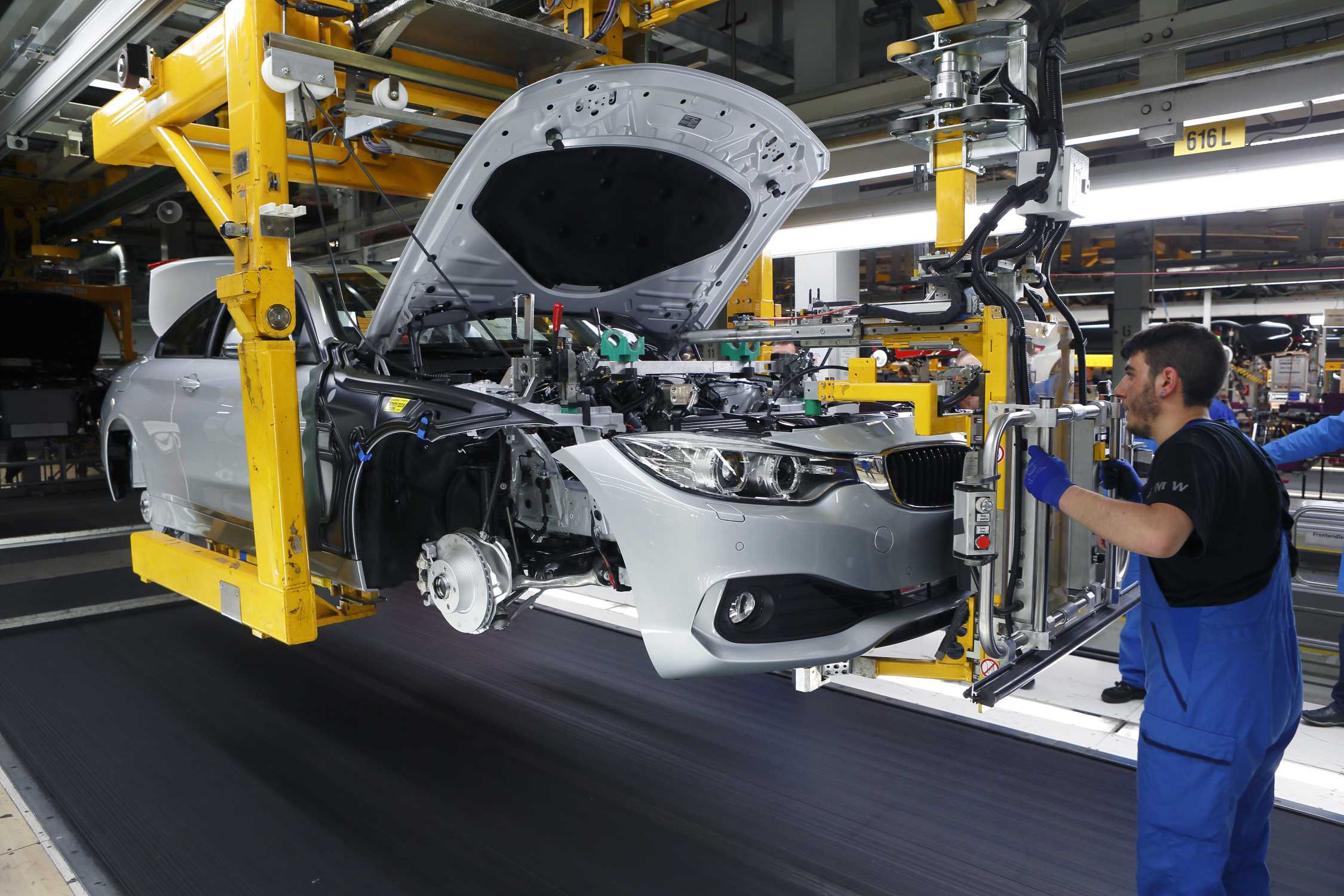
The automotive industry is one of the most dynamic and influential sectors in the global economy, shaping how people travel, work, and live. It encompasses the design, development, manufacturing, marketing, and sale of motor vehicles, including cars, trucks, motorcycles, and commercial vehicles. Over the decades, the automotive sector has evolved from simple mechanical inventions to highly advanced technological ecosystems.
The automotive industry is a cornerstone of economic growth, contributing significantly to employment, innovation, and global trade. It supports millions of jobs worldwide, from factory workers and engineers to sales professionals and service technicians.
In today’s world, the automotive sector is not just about transportation—it is about connectivity, sustainability, and smart mobility. With rapid advancements in technology, vehicles are becoming more efficient, safer, and environmentally friendly. The industry continues to play a vital role in shaping the future of mobility.
Evolution of the Automotive Industry: From Horsepower to Horsepower+
The automotive industry has undergone a remarkable transformation since the invention of the first motor vehicles. Early automobiles were basic machines powered by internal combustion engines, designed primarily for functionality. Over time, advancements in engineering and manufacturing led to mass production and increased accessibility.
The introduction of assembly line production revolutionized the automotive industry, making vehicles affordable and widely available. This innovation significantly reduced production time and costs.
The shift from mechanical systems to digital and electronic technologies has redefined modern vehicles. Today’s cars are equipped with advanced features such as navigation systems, sensors, and automated controls.
The evolution of the automotive industry reflects continuous innovation and adaptation to changing consumer needs and technological advancements. It highlights the journey from simple transportation to intelligent mobility solutions.
Key Technologies Transforming the Automotive Sector
Technology is at the heart of the modern automotive industry, driving innovation and efficiency. One of the most significant advancements is the development of electric vehicles (EVs), which offer a cleaner and more sustainable alternative to traditional fuel-powered cars.
Electric vehicles are transforming the automotive landscape by reducing carbon emissions and dependence on fossil fuels. Governments and manufacturers are investing heavily in EV technology and infrastructure.
Autonomous driving technology is redefining mobility by enabling vehicles to operate with minimal human intervention. Sensors, cameras, and AI systems work together to enhance safety and efficiency.
Connected car technology is another major innovation, allowing vehicles to communicate with each other and with external systems. These technologies are shaping the future of transportation and creating new opportunities for innovation.
Sustainability in the Automotive Industry
Sustainability has become a key focus in the automotive industry as environmental concerns continue to grow. Manufacturers are adopting eco-friendly practices and developing vehicles that minimize environmental impact.
The transition to electric and hybrid vehicles is a major step towards reducing greenhouse gas emissions. These vehicles offer a cleaner alternative to traditional internal combustion engines.
Sustainable manufacturing practices are helping reduce waste, conserve resources, and lower carbon footprints. Companies are investing in renewable energy and recycling initiatives.
The automotive industry is also exploring alternative fuels and innovative materials to enhance sustainability. These efforts are essential for creating a greener and more sustainable future.
Importance of the Automotive Industry in the Global Economy
The automotive industry plays a crucial role in driving economic growth and development. It contributes significantly to GDP, exports, and employment in many countries. The sector supports a wide range of industries, including steel, electronics, and logistics.
A strong automotive industry boosts economic stability and global competitiveness. Countries with advanced automotive sectors attract investments and generate significant revenue.
The industry also drives innovation, leading to advancements in technology and infrastructure. Research and development in automotive technology have far-reaching impacts on other sectors.
Additionally, the automotive industry enhances mobility, enabling people and goods to move efficiently. Its impact extends beyond economics, influencing lifestyles and societal development.
Challenges Facing the Automotive Industry
Despite its growth and innovation, the automotive industry faces several challenges. One of the major issues is the rising cost of raw materials and components, which affects production and pricing. Supply chain disruptions, such as semiconductor shortages, have also impacted the industry.
Environmental regulations and emission standards are pushing manufacturers to adopt cleaner technologies. While necessary, these changes require significant investment and adaptation.
Changing consumer preferences and the shift towards shared mobility are reshaping the industry landscape. Traditional ownership models are being challenged by ride-sharing and subscription services.
Other challenges include economic uncertainties, competition, and technological complexities. Addressing these issues is crucial for the continued growth and sustainability of the automotive sector.
🇮🇳 Automotive Industry in India: Growth and Opportunities
India is one of the fastest-growing automotive markets in the world, with a strong presence in both passenger and commercial vehicles. The industry plays a vital role in the country’s economy, contributing significantly to GDP and employment.
Government initiatives and policies are promoting growth and innovation in the Indian automotive sector. Programs like Make in India and incentives for electric vehicles are driving development.
The rise of electric mobility is creating new opportunities for manufacturers and consumers alike. India is तेजी moving towards sustainable transportation solutions.
The country’s large population and growing middle class are driving demand for vehicles. With continued investment and innovation, India is poised to become a global automotive hub.
Future of the Automotive Industry: Smart and Connected Mobility
The future of the automotive industry is centered around smart, connected, and sustainable mobility solutions. Advances in technology are transforming vehicles into intelligent systems that offer enhanced safety, efficiency, and convenience.
Autonomous vehicles and AI-driven systems will redefine transportation, making it safer and more efficient. These innovations have the potential to reduce accidents and improve traffic management.
The integration of digital technologies will create a seamless and connected mobility ecosystem. Vehicles will interact with infrastructure, other vehicles, and users in real time.
The shift towards electric and shared mobility will continue to shape the industry. The future promises a more sustainable, efficient, and innovative approach to transportation.
Conclusion: Driving Towards a Better Future
The automotive industry is a powerful force that drives economic growth, innovation, and societal development. It has evolved significantly over the years, adapting to changing technologies and consumer needs.
The industry’s focus on sustainability, innovation, and connectivity is shaping the future of mobility. It is not just about vehicles but about creating efficient and sustainable transportation systems.
By embracing new technologies and addressing challenges, the automotive sector can continue to thrive and make a positive impact. Collaboration between governments, manufacturers, and consumers is essential for achieving this vision.
As we move forward, the automotive industry will remain at the forefront of innovation, driving progress and improving lives. It is a journey towards smarter, greener, and more connected mobility
Leave a Reply