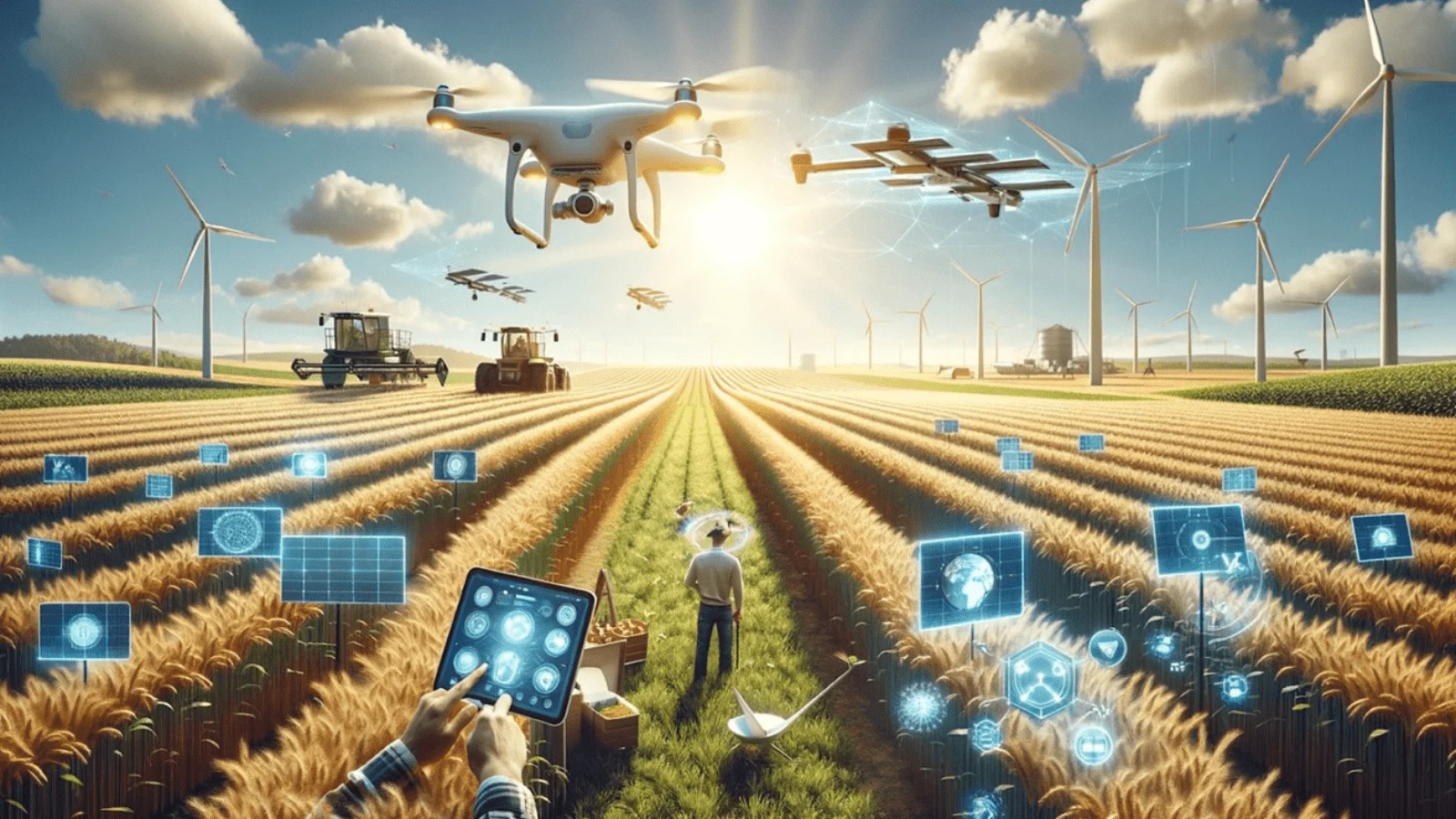
Introduction to AgTech: The Future of Farming
Agricultural Technology, commonly known as AgTech, represents a powerful transformation in how farming is practiced across the globe. It blends innovation, data, and automation to enhance productivity and sustainability in agriculture. From small-scale farmers in rural India to large agribusinesses worldwide, AgTech is changing the traditional farming narrative. The sector includes tools like AI-powered analytics, IoT devices, drones, and robotics that streamline agricultural operations.
AgTech is not just about machines; it is about making farming smarter, more efficient, and more resilient. It allows farmers to make data-driven decisions rather than relying solely on experience or intuition. With climate change, population growth, and resource scarcity becoming major concerns, AgTech plays a critical role in ensuring food security.
The integration of technology into agriculture is helping reduce costs, increase yields, and promote sustainable farming practices. This evolution is essential for meeting the growing global demand for food while minimizing environmental impact. As we move forward, AgTech will continue to reshape the agricultural landscape and empower farmers like never before.
The Evolution of Agriculture: From Traditional to Smart Farming
Agriculture has come a long way from manual plowing and rain-dependent farming methods. Traditionally, farmers relied on basic tools and natural cycles, which often resulted in unpredictable yields. Over time, mechanization introduced tractors, irrigation systems, and fertilizers that improved productivity. However, these advancements still lacked precision and efficiency.
The transition from traditional farming to smart farming marks a significant leap in agricultural innovation. Today, farmers use GPS-enabled machinery, automated irrigation systems, and real-time weather data to optimize their operations. These technologies allow for precise application of resources such as water, fertilizers, and pesticides.
Smart farming ensures that every decision is backed by data, reducing waste and maximizing output. This shift is particularly important in regions facing water scarcity or soil degradation. With the help of AgTech, farmers can monitor crop health, predict yields, and manage risks more effectively.
The evolution of agriculture reflects humanity’s ability to adapt and innovate. AgTech is the latest chapter in this journey, offering solutions that are both efficient and sustainable.
Key Technologies Driving AgTech Innovation
AgTech is powered by a combination of advanced technologies that work together to improve farming efficiency. One of the most significant innovations is Artificial Intelligence (AI), which analyzes vast amounts of data to provide actionable insights. AI helps farmers predict weather patterns, detect diseases, and optimize crop management strategies.
Internet of Things (IoT) devices are revolutionizing how farmers monitor their fields in real time. Sensors placed in soil and crops collect data on moisture, temperature, and nutrient levels. This information enables farmers to make precise adjustments and avoid overuse of resources.
Drones and robotics are automating labor-intensive tasks, saving time and reducing human effort. Drones can survey large areas quickly, identify problem zones, and even spray pesticides with precision. Robotics, on the other hand, can handle planting, harvesting, and weeding tasks.
Blockchain technology is also gaining traction in AgTech by ensuring transparency and traceability in the food supply chain. Together, these technologies are transforming agriculture into a highly efficient and data-driven industry.
Benefits of AgTech: Efficiency, Sustainability, and Profitability
AgTech offers numerous benefits that extend beyond increased productivity. One of the primary advantages is improved efficiency, as technology reduces manual labor and optimizes resource use. Farmers can achieve higher yields with fewer inputs, leading to cost savings and better profitability.
Sustainability is at the core of AgTech, helping reduce the environmental impact of farming practices. Precision agriculture minimizes the use of water, fertilizers, and pesticides, thereby protecting natural resources. This is particularly important in addressing climate change and preserving ecosystems.
AgTech also enhances decision-making by providing real-time insights and predictive analytics. Farmers can respond quickly to changing conditions, reducing risks and improving crop quality. Additionally, digital platforms connect farmers to markets, enabling better pricing and reduced middlemen dependency.
The combination of efficiency, sustainability, and profitability makes AgTech a game-changer for the agricultural sector. It empowers farmers to meet modern challenges while ensuring long-term growth and resilience.
Challenges and Barriers in AgTech Adoption
Despite its numerous advantages, AgTech faces several challenges that hinder its widespread adoption. One of the primary barriers is the high cost of technology, which can be prohibitive for small-scale farmers. Many farmers lack access to financing options that would enable them to invest in advanced tools and equipment.
Limited digital literacy among farmers is another significant challenge in adopting AgTech solutions. Understanding and using advanced technologies require training and education, which may not be readily available in rural areas. Without proper knowledge, farmers may hesitate to embrace new systems.
Infrastructure limitations, such as poor internet connectivity, also restrict the effectiveness of AgTech in many regions. Reliable connectivity is essential for data-driven farming, and its absence can limit the benefits of technology.
Additionally, concerns about data privacy and security may discourage farmers from using digital platforms. Addressing these challenges is crucial for ensuring that AgTech reaches its full potential and benefits farmers across all scales.
AgTech in India: Opportunities and Growth Potential
India, being an agrarian economy, has immense potential for AgTech growth. With a large population dependent on agriculture, the adoption of technology can significantly improve productivity and income levels. Several startups and government initiatives are driving innovation in this sector.
AgTech in India is creating opportunities for farmers to access better tools, information, and markets. Mobile applications provide weather forecasts, crop advisory, and market prices, empowering farmers with valuable insights.
Government initiatives and digital platforms are playing a key role in promoting AgTech adoption. Programs focused on digital agriculture, subsidies, and training are helping bridge the gap between technology and farmers.
However, challenges such as fragmented land holdings and limited resources need to be addressed. With the right policies and investments, India can become a global leader in AgTech innovation.
The Future of AgTech: What Lies Ahead
The future of AgTech is filled with exciting possibilities as technology continues to evolve. Innovations such as vertical farming, hydroponics, and lab-grown food are redefining how food is produced. These methods offer solutions to land scarcity and urbanization challenges.
Artificial Intelligence and machine learning will play an even bigger role in predictive and autonomous farming. Farmers will be able to rely on fully automated systems that manage crops with minimal human intervention.
Climate-resilient farming techniques will become a priority, ensuring agriculture adapts to changing environmental conditions. AgTech will help farmers mitigate risks associated with extreme weather and unpredictable climates.
The integration of AgTech with global supply chains will also enhance food distribution and reduce waste. As technology advances, agriculture will become more efficient, sustainable, and accessible.
Conclusion: Embracing the AgTech Revolution
AgTech represents a transformative force in the agricultural sector, offering solutions to some of the most pressing challenges of our time. From improving productivity to promoting sustainability, it is reshaping how farming is practiced worldwide.
The adoption of AgTech is essential for ensuring food security and supporting the growing global population. It empowers farmers with tools and knowledge to make informed decisions and achieve better outcomes.
By embracing innovation, agriculture can become more resilient, efficient, and environmentally friendly. Governments, businesses, and farmers must work together to overcome challenges and unlock the full potential of AgTech.
As we look to the future, AgTech will continue to drive progress and redefine agriculture. It is not just a technological advancement—it is a revolution that holds the key to a sustainable and prosperous world.
Leave a Reply