Category: Industry

  • Travel and Hospitality: Transforming Experiences in a Connected World

    Travel and Hospitality: Transforming Experiences in a Connected World

    Introduction: The Ever-Evolving World of Travel and Hospitality

    The travel and hospitality industry is one of the most dynamic and influential sectors in the global economy, shaping how people explore the world and experience different cultures. It encompasses everything from airlines and hotels to tourism services and digital travel platforms, all working together to create seamless journeys. In today’s interconnected world, travel is no longer just about reaching a destination—it is about creating memorable experiences that resonate emotionally with travelers. As globalization continues to expand, the demand for unique, personalized, and immersive travel experiences is growing rapidly.

    The rise of digital technology has revolutionized the way people plan, book, and experience travel, making it more accessible and convenient than ever before. Online booking platforms, mobile apps, and AI-powered recommendations have transformed customer expectations, pushing businesses to innovate constantly. At the same time, sustainability and responsible tourism are becoming central themes, as travelers increasingly seek eco-friendly options and culturally respectful experiences.

    The industry is also a major driver of employment, contributing significantly to economic growth across countries. From local tour guides to global hotel chains, millions of people depend on this sector for their livelihoods. Despite challenges such as global crises and changing consumer behavior, the resilience of travel and hospitality continues to shine through innovation and adaptability.


    The Role of Technology in Modern Travel

    Technology has become the backbone of the modern travel and hospitality industry, enabling seamless and efficient experiences for both customers and service providers. Artificial intelligence and machine learning are being used to personalize travel recommendations, helping travelers discover destinations, hotels, and activities tailored to their preferences. This level of customization enhances customer satisfaction and builds long-term loyalty.

    Mobile technology has made travel planning more convenient than ever, allowing users to book flights, hotels, and experiences with just a few taps. Apps now offer real-time updates on flight status, weather conditions, and local attractions, ensuring travelers stay informed throughout their journey. Additionally, contactless technologies such as digital check-ins and mobile room keys have become essential, especially in a post-pandemic world.

    Virtual reality (VR) and augmented reality (AR) are also transforming the way travelers explore destinations before they even arrive. These technologies provide immersive previews of hotels, landmarks, and experiences, helping travelers make informed decisions. Furthermore, smart hotel rooms equipped with IoT devices allow guests to control lighting, temperature, and entertainment systems through their smartphones.


    Customer Experience: The Heart of Hospitality

    At the core of the travel and hospitality industry lies the concept of exceptional customer experience. Providing personalized, memorable, and seamless experiences is the key to success in this highly competitive sector. Guests today expect more than just basic services—they seek emotional connections, comfort, and unique experiences that make their journeys unforgettable.

    Hospitality businesses are increasingly focusing on understanding customer preferences through data analytics and feedback systems. By analyzing customer behavior, companies can tailor services to meet individual needs, whether it’s offering customized room settings or recommending local attractions. This level of personalization creates a sense of belonging and enhances overall satisfaction.

    Training staff to deliver outstanding service is equally important, as human interaction remains a critical aspect of hospitality. Friendly, knowledgeable, and attentive staff can significantly impact a guest’s experience, turning a simple stay into a cherished memory. Additionally, maintaining consistency in service quality across all touchpoints ensures that customers receive the same level of excellence every time.


    Sustainability and Responsible Tourism

    Sustainability has become a defining factor in the future of travel and hospitality, as environmental concerns and social responsibility take center stage. Travelers are increasingly seeking eco-friendly options that minimize their carbon footprint and support local communities. This shift in consumer behavior is driving businesses to adopt sustainable practices across their operations.

    Hotels and resorts are implementing energy-efficient systems, reducing waste, and sourcing local materials to promote sustainability. Initiatives such as eliminating single-use plastics, conserving water, and using renewable energy sources are becoming standard practices. These efforts not only benefit the environment but also enhance the brand image of businesses.

    Responsible tourism also involves respecting local cultures and traditions, ensuring that tourism benefits communities rather than exploiting them. Supporting local artisans, promoting cultural heritage, and engaging in community-based tourism are ways to create a positive impact. As awareness grows, sustainability is no longer just an option—it is a necessity for long-term success.


    The Rise of Experiential Travel

    Modern travelers are shifting from traditional sightseeing to experiential travel, where the focus is on meaningful and immersive experiences. People now want to connect with destinations on a deeper level, engaging with local cultures, traditions, and lifestyles. This trend has given rise to unique travel offerings such as culinary tours, adventure trips, and wellness retreats.

    Experiential travel allows individuals to create lasting memories by participating in activities rather than just observing them. Whether it’s learning to cook local dishes, exploring remote landscapes, or attending cultural festivals, these experiences provide a sense of authenticity and fulfillment. This shift is redefining the way travel is perceived and marketed.

    The demand for personalized and unique experiences is also encouraging businesses to innovate and diversify their offerings. Travel companies are designing curated itineraries that cater to specific interests, ensuring that every journey is unique. As a result, experiential travel is becoming a major driver of growth in the industry.


    Challenges Facing the Travel and Hospitality Industry

    Despite its growth, the travel and hospitality industry faces several challenges that require strategic solutions. Global uncertainties such as economic fluctuations, health crises, and geopolitical tensions can significantly impact travel demand. Businesses must remain agile and adaptable to navigate these challenges effectively.

    Another major challenge is maintaining consistent service quality while scaling operations. As companies expand, ensuring that every customer receives the same level of excellence becomes increasingly complex. This requires robust training programs, standardized processes, and continuous monitoring.

    Cybersecurity is also a growing concern, as the industry relies heavily on digital platforms and customer data. Protecting sensitive information and ensuring secure transactions are critical to building trust with customers. Additionally, addressing environmental concerns and managing overtourism are essential for sustainable growth.


    Future Trends in Travel and Hospitality

    The future of travel and hospitality is filled with exciting possibilities, driven by innovation and changing consumer preferences. Emerging technologies such as AI, robotics, and blockchain are expected to revolutionize the industry, making travel more efficient and secure. From automated check-ins to AI-powered concierge services, the possibilities are endless.

    Sustainable travel will continue to gain importance, with businesses focusing on reducing their environmental impact and promoting responsible tourism. Travelers will increasingly choose brands that align with their values, making sustainability a key differentiator.

    The concept of smart tourism is also gaining traction, integrating technology with infrastructure to create seamless travel experiences. Smart cities, connected transportation systems, and digital tourism platforms will redefine how people explore the world. As the industry evolves, adaptability and innovation will remain the driving forces behind success.


    Conclusion: A Journey Beyond Destinations

    The travel and hospitality industry is more than just a sector—it is a gateway to experiences, connections, and cultural exchange. As technology, sustainability, and customer expectations continue to evolve, the industry must adapt to stay relevant and competitive. By embracing innovation and focusing on meaningful experiences, businesses can create lasting value for travelers.

    In the end, travel is not just about where you go, but how it makes you feel and the memories you create along the way. The future of travel and hospitality lies in delivering experiences that inspire, connect, and transform, making every journey truly unforgettable.

  • Public Sector: The Pillar of Governance and Social Welfare

    Public Sector: The Pillar of Governance and Social Welfare

    Introduction to the Public Sector: Serving the Nation

    The public sector forms the backbone of a nation’s governance and social framework. It encompasses all organizations, institutions, and enterprises owned and operated by the government to serve the public interest. From healthcare and education to infrastructure and defense, the public sector plays a crucial role in ensuring stability and development. It is designed not for profit, but for the welfare of citizens and the equitable distribution of resources.

    The public sector exists to prioritize public welfare over profit, ensuring that essential services reach every citizen. Unlike private enterprises, its focus is on inclusivity, accessibility, and long-term societal benefits. Governments invest in public sector initiatives to bridge economic gaps and uplift marginalized communities.

    A strong public sector is essential for maintaining law, order, and economic balance in society. It provides a safety net for citizens through welfare schemes, subsidies, and essential services. In developing countries like India, the public sector plays an even more critical role in nation-building and inclusive growth.


    Structure of the Public Sector: Understanding Its Components

    The public sector is a vast and complex system comprising various levels and types of organizations. It includes central government, state government, and local government bodies, each with distinct roles and responsibilities. These entities work together to deliver services and implement policies effectively.

    Public sector organizations are broadly categorized into administrative bodies, public enterprises, and service providers. Administrative bodies handle governance and policy-making, while public enterprises engage in commercial activities under government ownership.

    Local governments play a vital role in grassroots development, addressing community-specific needs and challenges. Municipal corporations, पंचायत systems, and regional authorities ensure that governance reaches the local level.

    This structured approach allows for efficient management and delivery of services across different regions and sectors. It ensures that the needs of citizens are addressed at every level of governance.


    Functions of the Public Sector: Driving National Development

    The public sector performs a wide range of functions that are essential for national development. One of its primary roles is to provide basic services such as education, healthcare, transportation, and sanitation. These services are crucial for improving the quality of life and ensuring social equity.

    The public sector is responsible for building and maintaining critical infrastructure that supports economic growth. Roads, railways, airports, and energy systems are developed and managed by government agencies.

    It also ensures national security and law enforcement, protecting citizens and maintaining order. Defense forces, police, and judicial systems operate under the public sector to safeguard the nation.

    Additionally, the public sector regulates industries, enforces laws, and implements policies that promote economic stability and social welfare. Its functions are integral to the smooth functioning of society.


    Public Sector vs Private Sector: Key Differences

    Understanding the differences between the public and private sectors is essential for appreciating their roles in the economy. While both sectors contribute to development, their objectives, operations, and approaches differ significantly.

    The primary goal of the public sector is service delivery and social welfare, whereas the private sector focuses on profit maximization. This fundamental difference shapes their strategies and decision-making processes.

    Public sector organizations are accountable to citizens and operate under government regulations, ensuring transparency and fairness. In contrast, private companies prioritize efficiency and competitiveness to achieve financial success.

    Despite these differences, both sectors often collaborate through public-private partnerships (PPPs) to achieve common goals. This collaboration combines the strengths of both sectors for better outcomes.


    Importance of the Public Sector in Society

    The public sector plays a vital role in promoting social justice and economic equality. It ensures that essential services are accessible to all, regardless of income or social status. This inclusivity is crucial for building a balanced and fair society.

    The public sector acts as a stabilizing force in the economy, especially during crises and economic downturns. Government interventions help mitigate risks and support vulnerable populations.

    It also drives long-term development by investing in sectors that may not be immediately profitable but are essential for societal progress. Education, healthcare, and infrastructure are prime examples.

    Furthermore, the public sector fosters trust and accountability in governance. By prioritizing public welfare, it strengthens the relationship between citizens and the government.


    Challenges Faced by the Public Sector

    Despite its importance, the public sector faces several challenges that hinder its efficiency and effectiveness. Bureaucratic processes and red tape often lead to delays in decision-making and service delivery. These inefficiencies can impact public satisfaction and trust.

    Corruption and lack of transparency are significant challenges that undermine the credibility of the public sector. Addressing these issues requires strong governance and accountability mechanisms.

    Limited resources and budget constraints can restrict the scope and quality of public services. Governments must balance competing priorities while ensuring efficient allocation of resources.

    Additionally, the digital divide and lack of technological adoption in some regions can hinder modernization efforts. Overcoming these challenges is essential for improving public sector performance.


    🇮🇳 Public Sector in India: Growth and Transformation

    India’s public sector has undergone significant transformation over the years, adapting to changing economic and social dynamics. Public Sector Undertakings (PSUs) have played a crucial role in industrial development and infrastructure growth.

    Initiatives like Digital India are revolutionizing public service delivery through technology and e-governance. Online platforms and digital services are making governance more accessible and efficient.

    The Indian public sector continues to focus on inclusive growth, ensuring that development reaches every corner of the country. Programs related to healthcare, education, and rural development are key priorities.

    While progress has been significant, challenges such as population growth and resource constraints remain. Continued reforms and innovation are essential for sustaining growth and improving service delivery.


    Future of the Public Sector: Innovation and Digital Governance

    The future of the public sector lies in embracing innovation and leveraging technology to enhance efficiency and transparency. Digital governance, data analytics, and automation are transforming how public services are delivered.

    E-governance is enabling faster, more transparent, and citizen-centric service delivery. Online platforms reduce paperwork, streamline processes, and improve accessibility.

    The integration of emerging technologies like AI and blockchain can enhance decision-making and reduce corruption. These technologies offer new opportunities for improving governance and accountability.

    The focus on sustainability and smart cities is also shaping the future of the public sector. Governments are investing in solutions that address environmental challenges and improve urban living.


    Conclusion: Strengthening the Public Sector for a Better Future

    The public sector is a cornerstone of any nation’s development, providing essential services and ensuring social welfare. Its role extends beyond governance, influencing every aspect of society and the economy.

    A strong and efficient public sector is essential for achieving inclusive growth and sustainable development. It ensures that no one is left behind and that resources are distributed equitably.

    By embracing innovation, transparency, and accountability, the public sector can overcome challenges and enhance its impact. Collaboration with private entities and citizens will further strengthen its effectiveness.

    As the world evolves, the public sector must adapt to new challenges and opportunities. It remains a vital force in shaping a just, equitable, and prosperous society for future generations.

  • Utilities Sector: Powering Everyday Life and Economic Growth

    Utilities Sector: Powering Everyday Life and Economic Growth

    Introduction to Utilities: The Backbone of Modern Living

    The utilities sector is one of the most essential components of modern society, providing critical services such as electricity, water, gas, and waste management. These services form the foundation of daily life, enabling homes, businesses, and industries to function smoothly. Without utilities, modern civilization as we know it would come to a halt. From powering homes to ensuring clean drinking water, utilities play a vital role in sustaining life and supporting economic activities.

    Utilities are the lifeline of modern infrastructure, ensuring uninterrupted access to essential services for all. Governments and private organizations work together to maintain and expand utility networks to meet growing demands. The sector operates on a large scale, often involving complex systems and extensive infrastructure.

    A reliable utilities sector is crucial for economic stability, public health, and overall quality of life. As populations grow and urbanization increases, the demand for efficient and sustainable utility services continues to rise. This makes the utilities sector a key driver of development and innovation.


    Types of Utilities: Understanding Core Services

    Utilities encompass a wide range of essential services that are categorized based on their functions. The primary types include electricity, water supply, natural gas, and waste management. Each of these services plays a unique role in supporting daily life and industrial activities.

    Electricity is the most widely used utility, powering homes, industries, and technological systems. It is generated through various sources, including fossil fuels, nuclear energy, and renewable sources like solar and wind.

    Water utilities ensure the supply of clean and safe drinking water while managing wastewater and sanitation systems. Access to clean water is fundamental for public health and hygiene.

    Natural gas utilities provide fuel for heating, cooking, and industrial processes, while waste management services handle the collection, treatment, and disposal of waste. Together, these utilities form an interconnected system that supports modern living.


    Importance of Utilities in Economic Development

    The utilities sector is a key driver of economic growth and development. It provides the essential infrastructure needed for industries to operate and for businesses to thrive. Reliable access to electricity, water, and gas is critical for manufacturing, agriculture, and services.

    Utilities enable industrialization and urbanization, which are fundamental to economic progress. Without adequate utility services, economic activities would be severely limited.

    Investment in utilities infrastructure creates jobs, boosts productivity, and attracts foreign investment. Countries with strong utility networks are more competitive in the global market.

    Additionally, utilities support the development of other sectors such as healthcare, education, and transportation. Their role in economic development extends beyond basic services, influencing overall growth and prosperity.


    Sustainable Utilities: Balancing Demand and Environment

    As environmental concerns grow, the focus on sustainable utilities has become increasingly important. The sector is shifting towards renewable energy sources and efficient resource management to reduce environmental impact. Sustainability is now a key priority for utility providers worldwide.

    Renewable energy sources such as solar, wind, and hydro are transforming the electricity sector. These sources reduce dependence on fossil fuels and lower carbon emissions.

    Efficient water management and waste recycling are essential for conserving natural resources and protecting ecosystems. Advanced technologies are being used to optimize resource usage and minimize waste.

    Sustainable utilities not only benefit the environment but also ensure long-term availability of resources. This approach is crucial for meeting the needs of future generations while maintaining ecological balance.


    Role of Technology in Utilities

    Technology is revolutionizing the utilities sector by improving efficiency, reliability, and customer experience. Smart grids, IoT devices, and data analytics are transforming how utilities are managed and delivered. These innovations enable real-time monitoring and better decision-making.

    Smart grids enhance electricity distribution by balancing supply and demand efficiently. They reduce outages and improve energy efficiency.

    IoT and data analytics enable predictive maintenance, reducing downtime and operational costs. Sensors and monitoring systems provide valuable insights into system performance.

    Automation and digital platforms are also improving customer engagement, allowing users to monitor and manage their utility consumption. Technology is making utilities smarter, more efficient, and more responsive to user needs.


    Challenges in the Utilities Sector

    Despite its importance, the utilities sector faces several challenges that impact its performance and sustainability. One of the major issues is aging infrastructure, which requires significant investment for maintenance and upgrades.

    Rising demand and resource scarcity pose significant challenges for utility providers. Meeting the needs of growing populations while conserving resources is a complex task.

    Climate change and environmental regulations are forcing utilities to adapt to new standards and practices. This transition can be costly and time-consuming.

    Other challenges include regulatory constraints, cybersecurity risks, and the need for skilled workforce. Addressing these challenges is essential for ensuring reliable and sustainable utility services.


    🇮🇳 Utilities in India: Growth and Transformation

    India’s utilities sector has witnessed significant growth and transformation in recent years. Government initiatives and investments have improved access to electricity, water, and sanitation services across the country. Rural electrification and clean water programs have been particularly impactful.

    Initiatives like rural electrification and water supply schemes are improving the quality of life for millions of people. These programs aim to ensure universal access to essential services.

    The adoption of renewable energy is positioning India as a global leader in sustainable utilities. Solar and wind energy projects are expanding rapidly.

    However, challenges such as infrastructure gaps and distribution losses remain. Continued investment and innovation are needed to strengthen the utilities sector and meet future demands.


    Future of Utilities: Smart and Resilient Systems

    The future of the utilities sector lies in creating smart, resilient, and sustainable systems. Advanced technologies and innovative solutions are shaping the next generation of utility services. The focus is on improving efficiency, reliability, and environmental sustainability.

    Smart utilities will leverage digital technologies to provide efficient and personalized services. Real-time data and automation will enhance system performance and user experience.

    Resilient infrastructure will be designed to withstand climate change and other disruptions. This includes decentralized energy systems and advanced water management solutions.

    The integration of renewable energy, smart grids, and digital platforms will redefine the utilities sector. The future promises a more sustainable and efficient approach to managing essential services.


    Conclusion: Utilities as the Foundation of Modern Society

    The utilities sector is the foundation upon which modern society is built. It provides essential services that support daily life, economic activities, and overall development. Without utilities, progress and growth would not be possible.

    A strong and efficient utilities sector is essential for ensuring quality of life and sustainable development. It enables access to basic necessities and supports economic growth.

    By embracing innovation and sustainability, utilities can address global challenges and create a better future. Collaboration between governments, industries, and communities is key to achieving this goal.

    As the world continues to evolve, the utilities sector will remain a critical component of development. It is not just about providing services—it is about powering progress and improving lives.

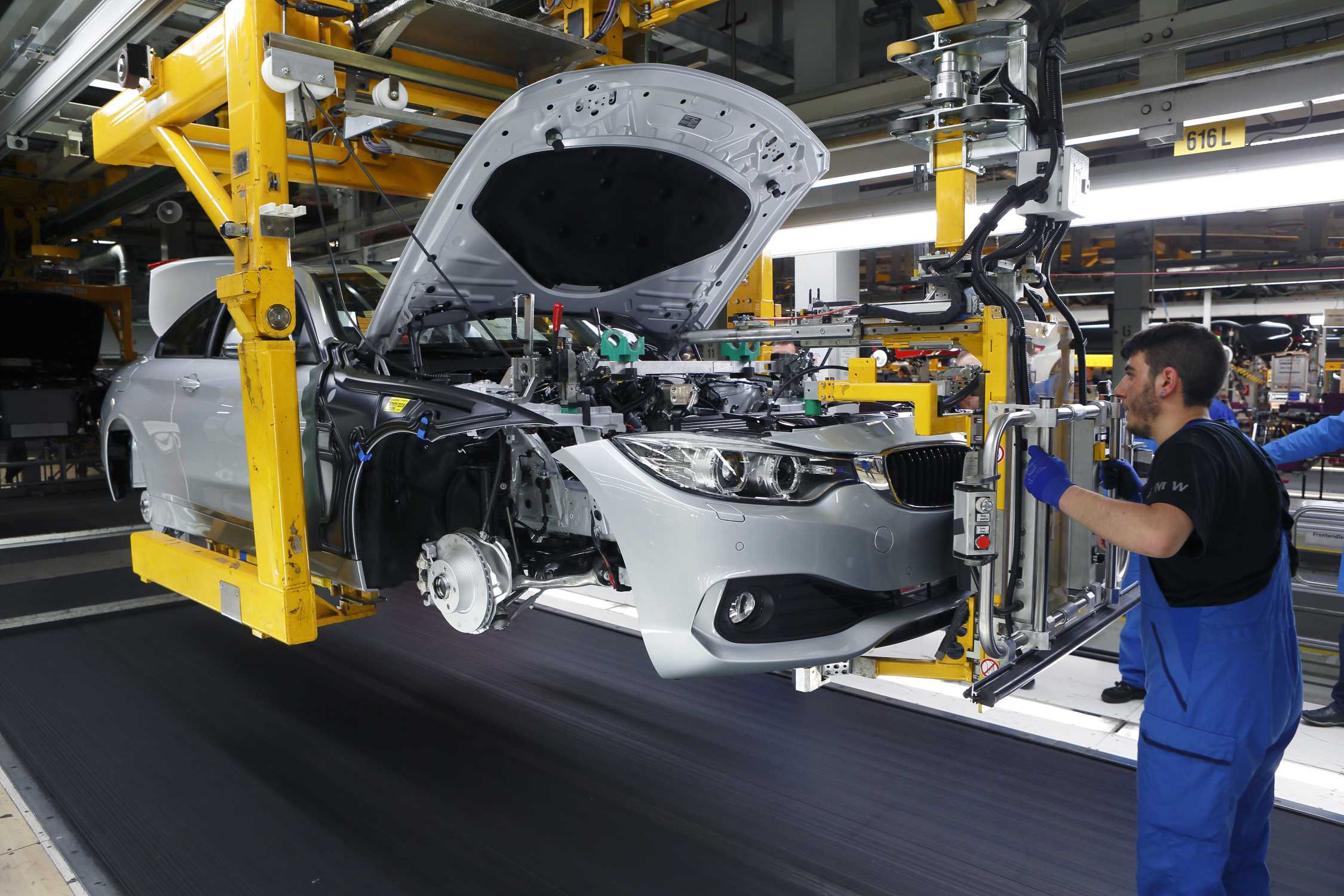
  • Automotive Industry: Driving Innovation and Global Mobility

    Automotive Industry: Driving Innovation and Global Mobility

    Introduction to the Automotive Industry: Powering Modern Transportation

    The automotive industry is one of the most dynamic and influential sectors in the global economy, shaping how people travel, work, and live. It encompasses the design, development, manufacturing, marketing, and sale of motor vehicles, including cars, trucks, motorcycles, and commercial vehicles. Over the decades, the automotive sector has evolved from simple mechanical inventions to highly advanced technological ecosystems.

    The automotive industry is a cornerstone of economic growth, contributing significantly to employment, innovation, and global trade. It supports millions of jobs worldwide, from factory workers and engineers to sales professionals and service technicians.

    In today’s world, the automotive sector is not just about transportation—it is about connectivity, sustainability, and smart mobility. With rapid advancements in technology, vehicles are becoming more efficient, safer, and environmentally friendly. The industry continues to play a vital role in shaping the future of mobility.


    Evolution of the Automotive Industry: From Horsepower to Horsepower+

    The automotive industry has undergone a remarkable transformation since the invention of the first motor vehicles. Early automobiles were basic machines powered by internal combustion engines, designed primarily for functionality. Over time, advancements in engineering and manufacturing led to mass production and increased accessibility.

    The introduction of assembly line production revolutionized the automotive industry, making vehicles affordable and widely available. This innovation significantly reduced production time and costs.

    The shift from mechanical systems to digital and electronic technologies has redefined modern vehicles. Today’s cars are equipped with advanced features such as navigation systems, sensors, and automated controls.

    The evolution of the automotive industry reflects continuous innovation and adaptation to changing consumer needs and technological advancements. It highlights the journey from simple transportation to intelligent mobility solutions.


    Key Technologies Transforming the Automotive Sector

    Technology is at the heart of the modern automotive industry, driving innovation and efficiency. One of the most significant advancements is the development of electric vehicles (EVs), which offer a cleaner and more sustainable alternative to traditional fuel-powered cars.

    Electric vehicles are transforming the automotive landscape by reducing carbon emissions and dependence on fossil fuels. Governments and manufacturers are investing heavily in EV technology and infrastructure.

    Autonomous driving technology is redefining mobility by enabling vehicles to operate with minimal human intervention. Sensors, cameras, and AI systems work together to enhance safety and efficiency.

    Connected car technology is another major innovation, allowing vehicles to communicate with each other and with external systems. These technologies are shaping the future of transportation and creating new opportunities for innovation.


    Sustainability in the Automotive Industry

    Sustainability has become a key focus in the automotive industry as environmental concerns continue to grow. Manufacturers are adopting eco-friendly practices and developing vehicles that minimize environmental impact.

    The transition to electric and hybrid vehicles is a major step towards reducing greenhouse gas emissions. These vehicles offer a cleaner alternative to traditional internal combustion engines.

    Sustainable manufacturing practices are helping reduce waste, conserve resources, and lower carbon footprints. Companies are investing in renewable energy and recycling initiatives.

    The automotive industry is also exploring alternative fuels and innovative materials to enhance sustainability. These efforts are essential for creating a greener and more sustainable future.


    Importance of the Automotive Industry in the Global Economy

    The automotive industry plays a crucial role in driving economic growth and development. It contributes significantly to GDP, exports, and employment in many countries. The sector supports a wide range of industries, including steel, electronics, and logistics.

    A strong automotive industry boosts economic stability and global competitiveness. Countries with advanced automotive sectors attract investments and generate significant revenue.

    The industry also drives innovation, leading to advancements in technology and infrastructure. Research and development in automotive technology have far-reaching impacts on other sectors.

    Additionally, the automotive industry enhances mobility, enabling people and goods to move efficiently. Its impact extends beyond economics, influencing lifestyles and societal development.


    Challenges Facing the Automotive Industry

    Despite its growth and innovation, the automotive industry faces several challenges. One of the major issues is the rising cost of raw materials and components, which affects production and pricing. Supply chain disruptions, such as semiconductor shortages, have also impacted the industry.

    Environmental regulations and emission standards are pushing manufacturers to adopt cleaner technologies. While necessary, these changes require significant investment and adaptation.

    Changing consumer preferences and the shift towards shared mobility are reshaping the industry landscape. Traditional ownership models are being challenged by ride-sharing and subscription services.

    Other challenges include economic uncertainties, competition, and technological complexities. Addressing these issues is crucial for the continued growth and sustainability of the automotive sector.


    🇮🇳 Automotive Industry in India: Growth and Opportunities

    India is one of the fastest-growing automotive markets in the world, with a strong presence in both passenger and commercial vehicles. The industry plays a vital role in the country’s economy, contributing significantly to GDP and employment.

    Government initiatives and policies are promoting growth and innovation in the Indian automotive sector. Programs like Make in India and incentives for electric vehicles are driving development.

    The rise of electric mobility is creating new opportunities for manufacturers and consumers alike. India is तेजी moving towards sustainable transportation solutions.

    The country’s large population and growing middle class are driving demand for vehicles. With continued investment and innovation, India is poised to become a global automotive hub.


    Future of the Automotive Industry: Smart and Connected Mobility

    The future of the automotive industry is centered around smart, connected, and sustainable mobility solutions. Advances in technology are transforming vehicles into intelligent systems that offer enhanced safety, efficiency, and convenience.

    Autonomous vehicles and AI-driven systems will redefine transportation, making it safer and more efficient. These innovations have the potential to reduce accidents and improve traffic management.

    The integration of digital technologies will create a seamless and connected mobility ecosystem. Vehicles will interact with infrastructure, other vehicles, and users in real time.

    The shift towards electric and shared mobility will continue to shape the industry. The future promises a more sustainable, efficient, and innovative approach to transportation.


    Conclusion: Driving Towards a Better Future

    The automotive industry is a powerful force that drives economic growth, innovation, and societal development. It has evolved significantly over the years, adapting to changing technologies and consumer needs.

    The industry’s focus on sustainability, innovation, and connectivity is shaping the future of mobility. It is not just about vehicles but about creating efficient and sustainable transportation systems.

    By embracing new technologies and addressing challenges, the automotive sector can continue to thrive and make a positive impact. Collaboration between governments, manufacturers, and consumers is essential for achieving this vision.

    As we move forward, the automotive industry will remain at the forefront of innovation, driving progress and improving lives. It is a journey towards smarter, greener, and more connected mobility

  • Energy Sector: Powering the World and Driving Sustainable Growth

    Energy Sector: Powering the World and Driving Sustainable Growth

    Introduction to Energy: The Force Behind Modern Civilization

    Energy is the driving force behind every aspect of modern life, powering homes, industries, transportation, and digital infrastructure. It is one of the most critical resources that fuels economic development and societal progress. From traditional fossil fuels to renewable energy sources, the energy sector plays a vital role in sustaining global growth and improving living standards.

    Energy is the foundation of economic activity, enabling industries to operate and societies to function efficiently. Without a reliable supply of energy, modern civilization would struggle to maintain its current level of development.

    In today’s rapidly evolving world, energy is not just about supply—it is about sustainability, efficiency, and innovation. As global demand continues to rise, the need for cleaner and more efficient energy solutions has become increasingly important.


    Types of Energy: Understanding the Core Sources

    Energy comes from a variety of sources, broadly categorized into non-renewable and renewable energy. Non-renewable sources include fossil fuels such as coal, oil, and natural gas, which have been the primary sources of energy for decades. These sources are finite and have significant environmental impacts.

    Fossil fuels have powered industrial growth for centuries but contribute to environmental challenges such as pollution and climate change. Despite their drawbacks, they remain a major part of the global energy mix.

    Renewable energy sources such as solar, wind, hydro, and biomass are transforming the energy landscape. These sources are sustainable, environmentally friendly, and increasingly cost-effective.

    Nuclear energy is another important source that provides large-scale power with low carbon emissions. The diversification of energy sources is essential for ensuring energy security and sustainability.


    Importance of Energy in Economic Development

    Energy is a key driver of economic growth and development. It supports industrial activities, transportation systems, and technological advancements. Access to reliable and affordable energy is essential for businesses to operate and for economies to thrive.

    Energy availability directly influences productivity, competitiveness, and economic stability. Countries with strong energy infrastructure are better positioned to achieve sustainable growth.

    Investment in energy infrastructure creates jobs, boosts innovation, and attracts global investments. The energy sector plays a significant role in shaping economic policies and development strategies.

    Additionally, energy supports essential services such as healthcare, education, and communication. Its impact extends beyond economics, influencing overall quality of life and societal progress.


    Renewable Energy: The Future of Sustainable Power

    Renewable energy is at the forefront of the global transition towards sustainability. As concerns about climate change and environmental degradation grow, the shift to clean energy sources has become a priority. Renewable energy offers a sustainable alternative to fossil fuels, reducing carbon emissions and environmental impact.

    Solar and wind energy are leading the transition towards a cleaner and more sustainable energy future. These technologies are becoming more efficient and affordable, making them accessible to a wider population.

    The adoption of renewable energy is essential for reducing dependence on fossil fuels and achieving climate goals. Governments and organizations worldwide are investing heavily in renewable energy projects.

    Hydropower and biomass also contribute to the renewable energy mix, providing reliable and sustainable power. The future of energy lies in the widespread adoption of renewable sources and innovative technologies.


    Role of Technology in the Energy Sector

    Technology is transforming the energy sector by improving efficiency, reliability, and sustainability. Smart grids, energy storage systems, and advanced analytics are revolutionizing how energy is produced, distributed, and consumed. These innovations enable better management of energy resources and reduce waste.

    Smart grids enhance energy distribution by integrating renewable sources and optimizing supply and demand. They improve reliability and reduce energy losses.

    Energy storage technologies, such as batteries, are critical for managing intermittent renewable energy sources. They ensure a stable and continuous supply of power.

    Artificial intelligence and data analytics are also playing a significant role in optimizing energy systems. These technologies enable predictive maintenance, efficient resource allocation, and improved decision-making.


    Challenges in the Energy Sector

    Despite its importance, the energy sector faces several challenges that impact its sustainability and efficiency. One of the major issues is the environmental impact of fossil fuels, which contribute to climate change and pollution. Transitioning to cleaner energy sources requires significant investment and policy support.

    Energy security and supply stability are critical challenges in a rapidly changing global landscape. Geopolitical tensions and resource limitations can affect energy availability.

    Aging infrastructure and increasing demand put pressure on existing energy systems. Upgrading and maintaining infrastructure is essential for ensuring reliability.

    Other challenges include regulatory complexities, technological limitations, and the need for skilled workforce. Addressing these challenges is crucial for building a resilient and sustainable energy sector.


    🇮🇳 Energy Sector in India: Growth and Transformation

    India’s energy sector has experienced significant growth and transformation in recent years. The country is one of the largest consumers of energy, with increasing demand driven by population growth and industrialization. Government initiatives and investments have focused on expanding energy access and promoting renewable energy.

    India is emerging as a global leader in renewable energy, particularly in solar and wind power. Large-scale projects and policy support are driving this transition.

    Rural electrification and infrastructure development are improving energy access across the country. Millions of households have gained access to electricity in recent years.

    However, challenges such as energy distribution losses and dependence on fossil fuels remain. Continued innovation and investment are essential for achieving energy security and sustainability.


    Future of Energy: Towards a Cleaner and Smarter World

    The future of the energy sector is focused on creating a cleaner, smarter, and more sustainable system. Advances in technology and increasing environmental awareness are driving the transition towards renewable energy and efficient energy management.

    The integration of renewable energy, smart grids, and digital technologies will redefine the energy landscape. These innovations will enable more efficient and sustainable energy systems.

    Decentralized energy systems and microgrids will empower communities and enhance energy resilience. These systems reduce dependence on centralized infrastructure and improve reliability.

    The future of energy also includes innovations such as hydrogen fuel, carbon capture, and advanced nuclear technologies. These developments promise to address global energy challenges and create a sustainable future.


    Conclusion: Energy as the Key to a Sustainable Future

    Energy is the cornerstone of modern civilization, driving economic growth, technological advancement, and societal development. Its importance cannot be overstated, as it powers every aspect of daily life.

    A sustainable and efficient energy sector is essential for addressing global challenges and ensuring long-term development. The transition to clean energy is not just a necessity but an opportunity for innovation and growth.

    By embracing renewable energy, technological advancements, and sustainable practices, the world can create a brighter and more resilient future. Collaboration between governments, industries, and individuals is key to achieving this goal.

    As we move forward, the energy sector will continue to evolve, shaping the future of the planet. It is the driving force behind progress, innovation, and sustainability.

  • The Evolution of Retail: Transforming Consumer Experiences in the Digital Age

    The Evolution of Retail: Transforming Consumer Experiences in the Digital Age

    Introduction: Understanding the Modern Retail Landscape

    Retail has undergone a dramatic transformation over the past few decades, evolving from traditional brick-and-mortar stores into a dynamic, technology-driven ecosystem. The way consumers shop, interact with brands, and make purchasing decisions has changed significantly due to digitalization, globalization, and shifting consumer expectations. Today, retail is no longer just about selling products—it is about delivering experiences, building relationships, and creating value at every touchpoint.

    Retail is now driven by data, personalization, and seamless omnichannel experiences that connect physical and digital worlds. The rise of e-commerce platforms, mobile shopping apps, and social media marketplaces has empowered consumers with more choices and convenience than ever before. Businesses must adapt quickly to stay competitive in this rapidly evolving environment.

    The modern retail industry thrives on innovation, customer-centric strategies, and technological advancements that redefine how products are marketed and sold. From AI-powered recommendations to contactless payments, retailers are embracing cutting-edge solutions to meet the demands of today’s tech-savvy consumers.


    The Rise of E-Commerce and Digital Transformation

    The emergence of e-commerce has revolutionized the retail sector, reshaping how consumers shop and how businesses operate. Online shopping platforms have made it possible for customers to browse, compare, and purchase products from the comfort of their homes, eliminating geographical barriers and expanding market reach.

    E-commerce has enabled retailers to scale globally while offering personalized experiences through advanced analytics and AI-driven insights. Companies can now track customer behavior, preferences, and purchase history to deliver tailored recommendations and targeted marketing campaigns.

    Digital transformation in retail goes beyond online shopping; it includes automation, cloud computing, and integrated supply chains that enhance efficiency and reduce operational costs. Retailers are leveraging technology to streamline processes such as inventory management, order fulfillment, and customer service.

    Moreover, the integration of mobile commerce (m-commerce) has further accelerated growth in the retail sector. Smartphones have become powerful shopping tools, allowing consumers to shop anytime, anywhere. Retailers must optimize their platforms for mobile users to stay relevant in this digital-first era.


    Omnichannel Retailing: Bridging Physical and Digital Worlds

    Omnichannel retailing has become a key strategy for businesses aiming to provide seamless shopping experiences across multiple channels. It involves integrating online and offline touchpoints to ensure consistency and convenience for customers.

    Omnichannel strategies focus on creating a unified customer journey, where consumers can switch between platforms without disruption. For example, customers can browse products online, purchase them in-store, or opt for home delivery—all within a single ecosystem.

    Retailers that successfully implement omnichannel approaches gain a competitive advantage by enhancing customer satisfaction and loyalty. Features such as click-and-collect, real-time inventory tracking, and personalized promotions contribute to a more engaging shopping experience.

    Physical stores are also evolving into experiential spaces where customers can interact with products and brands. These stores serve as hubs for brand storytelling, customer engagement, and community building, complementing digital channels rather than competing with them.


    The Role of Technology in Retail Innovation

    Technology plays a crucial role in shaping the future of retail, enabling businesses to innovate and stay ahead of the competition. From artificial intelligence to augmented reality, various technologies are transforming how retailers operate and engage with customers.

    Artificial intelligence (AI) is revolutionizing retail by providing predictive analytics, chatbots, and personalized recommendations that enhance customer experiences. Retailers can anticipate customer needs and deliver relevant content, improving conversion rates and customer satisfaction.

    Augmented reality (AR) and virtual reality (VR) are creating immersive shopping experiences, allowing customers to visualize products before making a purchase. For instance, customers can try on clothes virtually or see how furniture fits in their homes.

    Additionally, technologies such as blockchain are improving transparency and security in supply chains, while the Internet of Things (IoT) is enabling smart inventory management and real-time tracking of goods.


    Consumer Behavior and Changing Expectations

    Consumer behavior has evolved significantly in recent years, driven by technological advancements and changing lifestyles. Modern consumers are more informed, connected, and demanding than ever before.

    Today’s consumers prioritize convenience, speed, and personalization when making purchasing decisions. They expect retailers to provide seamless experiences across all channels and deliver products quickly and efficiently.

    Sustainability and ethical practices are becoming increasingly important factors influencing consumer choices. Customers are more likely to support brands that demonstrate social responsibility and environmental awareness.

    Social media also plays a significant role in shaping consumer behavior. Platforms like Instagram and Facebook have become powerful marketing tools, enabling brands to engage with customers and influence purchasing decisions through targeted campaigns and influencer partnerships.


    Supply Chain and Logistics in Retail

    Efficient supply chain management is critical to the success of retail businesses. It ensures that products are available at the right place and time, minimizing delays and optimizing costs.

    Modern retail supply chains rely on advanced technologies such as automation, data analytics, and real-time tracking to improve efficiency and responsiveness. These technologies enable retailers to forecast demand accurately and manage inventory effectively.

    Last-mile delivery has become a crucial aspect of retail logistics, with businesses focusing on faster and more reliable delivery options. Same-day and next-day delivery services have become standard expectations among consumers.

    Retailers are also exploring innovative solutions such as drone deliveries and autonomous vehicles to enhance logistics capabilities and reduce operational costs.


    Challenges Facing the Retail Industry

    Despite its growth and innovation, the retail industry faces several challenges that businesses must address to remain competitive. These challenges include intense competition, changing consumer preferences, and economic uncertainties.

    Retailers must constantly adapt to evolving market trends and consumer demands to stay relevant in a highly competitive environment. Failure to innovate can lead to loss of market share and customer loyalty.

    Cybersecurity threats and data privacy concerns are significant challenges in the digital retail landscape. Businesses must invest in robust security measures to protect customer data and maintain trust.

    Additionally, managing supply chain disruptions, rising operational costs, and maintaining profitability are ongoing challenges that require strategic planning and effective management.


    The Future of Retail: Trends and Opportunities

    The future of retail is shaped by emerging trends and opportunities that promise to redefine the industry. Businesses that embrace these trends can gain a competitive edge and drive growth.

    Personalization will continue to be a key focus, with retailers leveraging data and AI to deliver tailored experiences to individual customers. This approach enhances customer engagement and increases conversion rates.

    Sustainability and ethical practices will play a significant role in shaping the future of retail, as consumers demand more responsible business practices. Retailers must adopt sustainable sourcing, packaging, and production methods.

    Other trends such as social commerce, subscription models, and experiential retail are expected to gain prominence, offering new avenues for growth and innovation.


    Conclusion: Navigating the Retail Revolution

    The retail industry is undergoing a profound transformation, driven by technological advancements, changing consumer behavior, and evolving market dynamics. Businesses must embrace innovation and adopt customer-centric strategies to thrive in this competitive landscape.

    Retail success in the modern era depends on the ability to integrate technology, deliver seamless experiences, and build strong relationships with customers. Companies that prioritize these factors will be well-positioned to succeed in the future.

    As retail continues to evolve, adaptability, innovation, and a deep understanding of consumer needs will remain the key drivers of growth and success. The journey ahead is filled with opportunities for those willing to embrace change and redefine the shopping experience.

  • Oil & Gas Industry: Fueling the World’s Energy Needs

    Oil & Gas Industry: Fueling the World’s Energy Needs

    Introduction to the Oil & Gas Industry: Powering Global Economies

    The oil and gas industry is one of the most influential sectors in the global economy, providing the primary source of energy that powers transportation, industries, and households. It encompasses the exploration, extraction, refining, transportation, and marketing of petroleum products and natural gas. For decades, oil and gas have been the backbone of industrial development and economic growth across the world.

    Oil and gas are the lifeblood of modern economies, fueling everything from vehicles to power generation systems. Without this industry, global infrastructure and daily life would face significant disruptions.

    Despite the rise of renewable energy, oil and gas continue to dominate the global energy mix due to their reliability and scalability. The sector remains critical for meeting the world’s growing energy demands while supporting industrial and economic activities.


    Structure of the Oil & Gas Industry: Upstream, Midstream, and Downstream

    The oil and gas industry is divided into three main segments: upstream, midstream, and downstream. Each segment plays a unique role in the energy value chain, ensuring the efficient production and distribution of resources.

    Upstream activities involve exploration and production, including drilling and extraction of crude oil and natural gas. This stage requires advanced technology and significant investment to locate and access reserves.

    Midstream focuses on transportation and storage, ensuring that raw materials are safely delivered to refineries and processing plants. Pipelines, tankers, and storage facilities are essential components of this segment.

    Downstream activities include refining crude oil into usable products such as gasoline, diesel, and petrochemicals, as well as marketing and distribution. Together, these segments form a comprehensive system that powers global energy supply.


    Exploration and Production: The Core of Upstream Operations

    Exploration and production are the foundation of the oil and gas industry. This phase involves identifying potential reserves, conducting geological surveys, and drilling wells to extract resources. It is a highly complex and capital-intensive process that requires advanced technology and expertise.

    Modern exploration techniques, including seismic imaging and data analytics, have significantly improved the accuracy of resource identification. These technologies reduce risks and enhance efficiency.

    Production processes are becoming more advanced, with techniques like hydraulic fracturing and offshore drilling enabling access to previously unreachable reserves. These innovations have expanded the global energy supply.

    However, exploration and production also pose environmental and operational challenges, requiring careful management and regulation.


    Transportation and Storage: The Role of Midstream Operations

    Midstream operations are responsible for transporting and storing crude oil and natural gas from production sites to refineries and distribution centers. This segment ensures the smooth flow of resources across regions and countries.

    Pipelines are the most efficient and widely used method for transporting oil and gas over long distances. They provide a reliable and cost-effective solution for energy distribution.

    Liquefied natural gas (LNG) transportation has revolutionized the global gas market, enabling international trade and supply flexibility. LNG allows gas to be transported across oceans in specialized tankers.

    Storage facilities, including tanks and underground reservoirs, play a crucial role in maintaining supply stability and managing demand fluctuations.


    Refining and Distribution: The Downstream Segment

    The downstream segment focuses on refining crude oil into usable products and distributing them to consumers. Refineries use complex processes to convert crude oil into fuels, lubricants, and petrochemicals.

    Refining transforms raw crude oil into valuable products that power transportation, industries, and households. This process is essential for making energy accessible and usable.

    Petrochemicals derived from oil and gas are used in a wide range of products, including plastics, fertilizers, and pharmaceuticals. This highlights the industry’s importance beyond energy production.

    Distribution networks, including pipelines, trucks, and retail outlets, ensure that refined products reach consumers efficiently.


    Environmental Impact and Sustainability Challenges

    The oil and gas industry faces significant environmental challenges due to its impact on ecosystems and climate change. Activities such as drilling, refining, and transportation can lead to pollution and environmental degradation.

    Carbon emissions from fossil fuels are a major contributor to global climate change, prompting calls for cleaner energy solutions. Reducing emissions is a key priority for the industry.

    Sustainability initiatives, including carbon capture and cleaner technologies, are being adopted to minimize environmental impact. Companies are investing in research and innovation to address these challenges.

    The transition to renewable energy is also influencing the industry, pushing it to adapt and evolve in response to environmental concerns.


    Challenges Facing the Oil & Gas Industry

    The oil and gas sector faces a range of challenges that impact its growth and sustainability. Fluctuating oil prices, geopolitical tensions, and regulatory changes create uncertainty in the market.

    Price volatility is one of the biggest challenges, affecting investment decisions and profitability. Global supply and demand dynamics play a significant role in price fluctuations.

    The shift towards renewable energy and stricter environmental regulations are reshaping the industry landscape. Companies must adapt to remain competitive.

    Other challenges include technological complexities, operational risks, and the need for skilled workforce. Addressing these issues is essential for the industry’s future.


    🇮🇳 Oil & Gas Industry in India: Growth and Opportunities

    India is one of the largest consumers of oil and gas, with a growing demand driven by economic development and population growth. The country’s oil and gas sector plays a crucial role in meeting energy needs and supporting industrial activities.

    India is investing heavily in refining capacity and infrastructure to enhance energy security. Large refineries and pipeline networks are being developed to meet demand.

    The government is promoting natural gas and cleaner fuels to reduce environmental impact and improve sustainability. This includes expanding gas distribution networks and encouraging alternative energy sources.

    Despite challenges such as import dependence, the Indian oil and gas industry offers significant opportunities for growth and innovation.


    Future of the Oil & Gas Industry: Transition and Transformation

    The future of the oil and gas industry is marked by transition and transformation. While fossil fuels will continue to play a role, the industry is evolving to adapt to changing energy demands and environmental concerns.

    The integration of digital technologies and automation is improving efficiency and reducing operational costs. Data analytics and AI are transforming exploration and production processes.

    The industry is gradually shifting towards cleaner energy solutions and diversifying its portfolio. Investments in renewable energy and sustainable practices are increasing.

    The future will likely see a balanced energy mix, with oil and gas coexisting alongside renewable sources. Innovation and adaptability will be key to navigating this transition.


    Conclusion: Balancing Energy Needs and Sustainability

    The oil and gas industry remains a cornerstone of the global energy system, powering economies and supporting modern lifestyles. Its importance cannot be overstated, as it continues to meet a significant portion of the world’s energy needs.

    Balancing energy demand with environmental sustainability is the biggest challenge and opportunity for the industry. Achieving this balance requires innovation, investment, and collaboration.

    By embracing cleaner technologies and adapting to changing dynamics, the oil and gas sector can remain relevant in a sustainable future. The journey ahead is complex, but it offers opportunities for growth and transformation.

    As the world transitions towards a more sustainable energy landscape, the oil and gas industry will continue to evolve, playing a vital role in powering progress and development.

  • The Evolution of Contact Centres: Powering Customer Experience in the Digital Era

    The Evolution of Contact Centres: Powering Customer Experience in the Digital Era

    Introduction: The Backbone of Modern Customer Engagement

    Contact centres have become the heartbeat of customer interaction in today’s fast-paced digital economy. Once seen merely as support hubs handling inbound calls, they have evolved into sophisticated communication ecosystems that manage customer relationships across multiple channels. From voice calls and emails to live chats and social media, contact centres now serve as the frontline of brand experience.

    Modern contact centres are no longer cost centers—they are strategic assets driving customer satisfaction, loyalty, and business growth. Organizations increasingly recognize that every customer interaction is an opportunity to build trust and enhance brand perception. This shift has transformed contact centres into critical components of customer experience (CX) strategies.

    With the integration of advanced technologies like AI, cloud computing, and automation, contact centres are becoming smarter, faster, and more efficient than ever before. These innovations enable businesses to deliver personalized and seamless experiences, ensuring customers feel valued and heard.


    The Evolution from Call Centres to Contact Centres

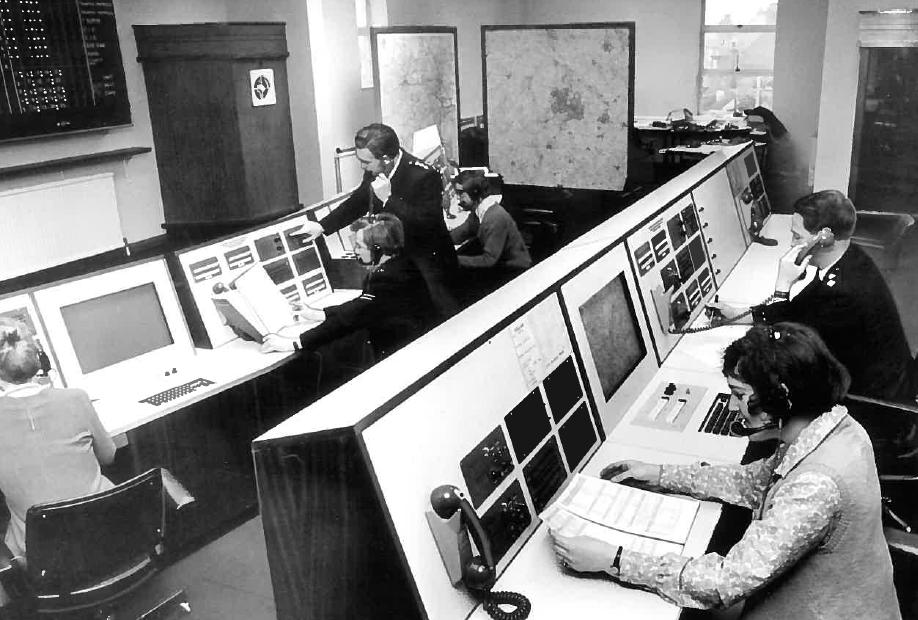
    https://upload.wikimedia.org/wikipedia/commons/0/02/Police_contact_centre_1970.jpg

    The journey from traditional call centres to modern contact centres reflects the rapid advancement of technology and changing customer expectations. Initially, call centres were focused solely on handling voice-based communication, with limited tools and manual processes.

    The transition to contact centres marked a significant shift toward multi-channel communication, enabling businesses to connect with customers through various platforms. This evolution has allowed companies to provide more flexible and convenient support options.

    Digital transformation has played a key role in redefining contact centres, introducing automation, data analytics, and integrated systems that enhance efficiency and performance. Businesses can now manage large volumes of interactions while maintaining high service quality.

    Today’s contact centres are equipped with advanced tools such as CRM systems, AI-powered chatbots, and real-time analytics, enabling them to deliver proactive and personalized customer support.


    Omnichannel Communication: Meeting Customers Where They Are

    Omnichannel communication has become a cornerstone of modern contact centres, allowing businesses to interact with customers across multiple channels seamlessly. Customers today expect consistent experiences regardless of how they choose to engage with a brand.

    Omnichannel strategies ensure that customer interactions are unified, enabling agents to access complete customer histories and provide context-aware support. This eliminates the frustration of repeating information across different channels.

    Providing seamless communication across channels enhances customer satisfaction, improves response times, and builds stronger relationships. Whether it’s a phone call, live chat, or social media message, customers expect quick and effective solutions.

    By integrating all communication channels into a single platform, contact centres can deliver a cohesive and efficient customer experience.


    The Role of Technology in Modern Contact Centres

    Technology is the driving force behind the transformation of contact centres. From artificial intelligence to cloud-based platforms, innovative solutions are reshaping how customer service is delivered.

    Artificial intelligence (AI) enables contact centres to automate routine tasks, provide instant responses, and analyze customer data for better decision-making. Chatbots and virtual assistants can handle common queries, freeing up agents to focus on more complex issues.

    Cloud computing allows contact centres to operate with greater flexibility, scalability, and cost efficiency. Businesses can easily scale operations up or down based on demand, without the need for extensive infrastructure.

    Other technologies such as speech analytics, robotic process automation (RPA), and predictive analytics further enhance the capabilities of contact centres, making them more efficient and customer-centric.


    Customer Experience (CX): The Core of Contact Centre Success

    Customer experience has become the defining factor for success in the contact centre industry. Businesses that prioritize CX are more likely to retain customers and build long-term loyalty.

    Delivering exceptional customer experiences requires a deep understanding of customer needs, preferences, and behaviors. Contact centres must leverage data and analytics to gain insights and tailor their services accordingly.

    Personalization is key to enhancing customer experience, as customers expect interactions that are relevant and meaningful. Addressing customers by name, understanding their history, and offering tailored solutions can significantly improve satisfaction.

    A positive customer experience not only leads to repeat business but also encourages customers to recommend the brand to others, driving growth and profitability.


    Workforce Management and Agent Empowerment

    The success of a contact centre largely depends on its workforce. Skilled and motivated agents are essential for delivering high-quality customer service.

    Effective workforce management ensures that the right number of agents are available at the right time to handle customer interactions efficiently. This involves scheduling, forecasting, and performance monitoring.

    Empowering agents with the right tools, training, and support enhances their productivity and job satisfaction. Access to real-time information and intuitive systems enables agents to resolve issues quickly and accurately.

    Organizations are also adopting remote and hybrid work models, allowing agents to work from anywhere while maintaining high levels of performance and engagement.


    Challenges in Contact Centre Operations

    Despite advancements, contact centres face several challenges that can impact their performance and effectiveness. Managing high volumes of customer interactions while maintaining service quality is a constant challenge.

    Handling peak demand periods requires efficient resource allocation and scalable solutions to avoid long wait times and customer dissatisfaction. Businesses must invest in technologies that enable them to manage fluctuations in demand.

    Data security and privacy concerns are critical issues, as contact centres handle sensitive customer information. Implementing robust security measures is essential to protect data and maintain trust.

    Other challenges include agent burnout, maintaining consistent service quality, and adapting to rapidly changing customer expectations.


    The Future of Contact Centres: Trends and Innovations

    The future of contact centres is shaped by emerging trends and innovations that promise to redefine customer service. As technology continues to evolve, contact centres will become even more intelligent and efficient.

    AI and machine learning will play a central role in enabling predictive and proactive customer support. Contact centres will be able to anticipate customer needs and resolve issues before they arise.

    The integration of advanced technologies such as voice assistants, augmented reality, and the metaverse will create immersive and interactive customer experiences. These innovations will transform how customers interact with brands.

    Additionally, the focus on customer-centric strategies and continuous improvement will drive the evolution of contact centres, ensuring they remain relevant in a rapidly changing landscape.


    Conclusion: Redefining Customer Engagement Through Contact Centres

    Contact centres have evolved into powerful engines of customer engagement, playing a vital role in shaping brand perception and driving business success. Their transformation from traditional call centres to advanced communication hubs reflects the changing dynamics of the digital age.

    Organizations that invest in technology, prioritize customer experience, and empower their workforce will be better positioned to succeed in the competitive landscape. The ability to adapt and innovate is key to staying ahead.

    As customer expectations continue to rise, contact centres must embrace change and leverage new technologies to deliver exceptional experiences. The future of customer engagement lies in creating meaningful, personalized, and seamless interactions that build lasting relationships.

  • The Evolution of Healthcare: Transforming Lives Through Innovation and Compassion

    The Evolution of Healthcare: Transforming Lives Through Innovation and Compassion

    Introduction: The Foundation of Human Well-Being

    Healthcare is one of the most vital pillars of any society, directly impacting the quality of life, longevity, and overall well-being of individuals. Over the years, the healthcare industry has evolved from basic medical practices to a highly sophisticated system powered by advanced technologies, research, and patient-centered care. It encompasses a wide range of services, including prevention, diagnosis, treatment, rehabilitation, and palliative care.

    Healthcare today is not just about treating illnesses—it is about promoting holistic well-being, preventing diseases, and enhancing the quality of life. Governments, private organizations, and global institutions are continuously working to improve healthcare accessibility and affordability for all.

    The integration of technology, data analytics, and innovative medical solutions is reshaping healthcare delivery, making it more efficient, personalized, and accessible. As we move forward, healthcare continues to adapt to emerging challenges and opportunities in a rapidly changing world.


    The Evolution of Healthcare Systems

    https://vediherbals.com/cdn/shop/articles/AyurvedaHistory.jpg?v=1739768432

    The journey of healthcare from ancient practices to modern medicine is a testament to human innovation and resilience. Early healthcare systems relied on natural remedies, traditional knowledge, and community-based care. Over time, scientific advancements led to the development of modern medical practices and structured healthcare systems.

    The transition from traditional to modern healthcare has significantly improved diagnosis, treatment, and patient outcomes. The discovery of antibiotics, vaccines, and surgical techniques has saved countless lives and reduced mortality rates.

    Digital transformation has further revolutionized healthcare systems, enabling telemedicine, electronic health records, and remote monitoring. These innovations have made healthcare more accessible, especially in rural and underserved areas.

    Today, healthcare systems continue to evolve, focusing on efficiency, patient satisfaction, and sustainable practices to meet the growing demands of populations worldwide.


    Technology in Healthcare: A Game Changer

    Technology has become a driving force in transforming healthcare, enabling faster, more accurate, and more efficient medical services. From artificial intelligence to wearable devices, technological innovations are redefining how healthcare is delivered.

    Artificial intelligence (AI) is enhancing diagnostic accuracy, predicting diseases, and assisting in treatment planning. AI-powered tools can analyze vast amounts of data to identify patterns and provide insights that support medical decision-making.

    Wearable devices and remote monitoring systems are empowering patients to take control of their health by tracking vital signs and detecting potential issues early. This shift towards proactive healthcare is improving patient outcomes and reducing hospital visits.

    Robotic surgery, telemedicine, and digital health platforms are further contributing to the advancement of healthcare, making it more precise, efficient, and patient-friendly.


    Patient-Centered Care: A New Approach

    Patient-centered care has emerged as a key focus in modern healthcare, emphasizing the importance of treating patients as individuals with unique needs and preferences. This approach prioritizes communication, empathy, and collaboration between healthcare providers and patients.

    Patient-centered care improves patient satisfaction, adherence to treatment, and overall health outcomes. By involving patients in decision-making, healthcare providers can ensure that treatments align with their values and preferences.

    Personalization is a critical aspect of patient-centered care, enabling tailored treatments based on individual health conditions and genetic profiles. This approach enhances the effectiveness of medical interventions and reduces the risk of complications.

    Healthcare organizations are increasingly adopting patient-centered practices to build trust, improve experiences, and deliver high-quality care.


    Challenges in the Healthcare Industry

    Despite significant advancements, the healthcare industry faces numerous challenges that impact its efficiency and effectiveness. These challenges include rising costs, limited access to healthcare services, and workforce shortages.

    Healthcare affordability remains a major concern, with many individuals struggling to access essential medical services due to high costs. Governments and organizations must work together to create sustainable solutions that ensure equitable access to care.

    Healthcare professionals often face high levels of stress and burnout, affecting their well-being and performance. Addressing workforce challenges is essential to maintaining the quality of care.

    Other challenges include managing chronic diseases, ensuring data security, and adapting to rapidly changing technologies and patient expectations.


    Public Health and Preventive Care

    Public health and preventive care play a crucial role in improving population health and reducing the burden of diseases. These efforts focus on promoting healthy lifestyles, preventing illnesses, and addressing health risks at an early stage.

    Preventive healthcare reduces the incidence of diseases, lowers healthcare costs, and improves overall quality of life. Regular screenings, vaccinations, and health education are essential components of preventive care.

    Public health initiatives aim to address social determinants of health, such as education, environment, and socioeconomic factors. These initiatives help create healthier communities and reduce health disparities.

    By prioritizing prevention and public health, healthcare systems can achieve better outcomes and ensure long-term sustainability.


    The Future of Healthcare: Trends and Innovations

    The future of healthcare is shaped by emerging trends and innovations that promise to transform the industry further. Advances in genomics, biotechnology, and digital health are opening new possibilities for personalized and precision medicine.

    Personalized medicine will enable treatments tailored to individual genetic profiles, improving effectiveness and reducing side effects. This approach represents a significant shift from traditional one-size-fits-all treatments.

    Telehealth and digital health platforms will continue to expand, making healthcare more accessible and convenient for patients worldwide. These technologies are particularly beneficial for remote and underserved areas.

    Other innovations such as AI-driven diagnostics, smart hospitals, and advanced medical research will play a key role in shaping the future of healthcare.


    Conclusion: Building a Healthier Tomorrow

    Healthcare is at the forefront of human progress, continuously evolving to meet the needs of a growing and changing population. Its transformation is driven by innovation, technology, and a commitment to improving lives.

    The future of healthcare depends on the ability to balance technological advancements with compassionate, patient-centered care. This balance ensures that healthcare remains both effective and humane.

    By embracing innovation, addressing challenges, and prioritizing accessibility and quality, the healthcare industry can build a healthier and more sustainable future for all. The journey ahead is filled with opportunities to redefine healthcare and create a better world for generations to come.

  • Pharma & Life Sciences: Driving Innovation for a Healthier Future

    Pharma & Life Sciences: Driving Innovation for a Healthier Future

    Introduction: The Lifeline of Modern Healthcare

    The pharmaceutical and life sciences industry stands at the forefront of global health innovation, playing a critical role in improving and saving lives. From developing life-saving drugs to advancing biotechnology, this sector has become a cornerstone of modern healthcare systems. It encompasses pharmaceuticals, biotechnology, medical devices, and research organizations, all working together to combat diseases and enhance human well-being.

    The pharma and life sciences industry is not just about medicine—it is about innovation, research, and improving the quality of life on a global scale. Continuous advancements in science and technology have enabled the development of treatments that were once considered impossible.

    With increasing global health challenges, the industry is evolving rapidly, leveraging cutting-edge technologies and data-driven insights to accelerate drug discovery and delivery. This transformation is reshaping how healthcare solutions are developed, tested, and delivered to patients worldwide.


    The Evolution of Pharma & Life Sciences

    The journey of the pharmaceutical and life sciences industry has been marked by remarkable milestones, from ancient herbal remedies to modern scientific breakthroughs. Early medicine relied heavily on natural substances and traditional knowledge, laying the foundation for modern pharmacology.

    The transition from traditional remedies to scientifically developed drugs has revolutionized healthcare, significantly improving treatment outcomes and life expectancy. The discovery of antibiotics, vaccines, and advanced therapies has played a pivotal role in controlling diseases.

    Biotechnology has further transformed the industry, enabling the development of targeted therapies, gene editing, and personalized medicine. These advancements have opened new possibilities for treating complex and previously incurable diseases.

    Today, the industry continues to evolve, driven by innovation, research, and the need to address emerging health challenges.


    Drug Discovery and Development: From Lab to Market

    Drug discovery and development is a complex and time-consuming process that involves multiple stages, from initial research to market approval. It requires significant investment, expertise, and collaboration across various disciplines.

    The drug development process includes discovery, preclinical testing, clinical trials, and regulatory approval, ensuring safety and efficacy before reaching patients. Each stage is critical in determining the success of a new treatment.

    Clinical trials play a vital role in evaluating the safety and effectiveness of new drugs, involving rigorous testing and monitoring. These trials are conducted in phases, with increasing levels of complexity and participant involvement.

    Despite challenges such as high costs and long timelines, advancements in technology and data analytics are accelerating the drug development process.


    Biotechnology and Innovation in Life Sciences

    Biotechnology has emerged as a transformative force in the life sciences industry, enabling groundbreaking innovations in medicine and healthcare. It involves the use of biological systems and organisms to develop new products and technologies.

    Gene editing technologies such as CRISPR are revolutionizing the treatment of genetic disorders, offering the potential for permanent cures. These advancements are paving the way for precision medicine.

    Biopharmaceuticals, including monoclonal antibodies and vaccines, are transforming the treatment of complex diseases such as cancer and autoimmune disorders. These therapies are more targeted and effective compared to traditional treatments.

    The integration of biotechnology with digital technologies is further enhancing research capabilities and accelerating innovation in the life sciences sector.


    Regulatory Framework and Compliance

    The pharmaceutical and life sciences industry operates within a highly regulated environment to ensure the safety, quality, and efficacy of products. Regulatory agencies play a crucial role in overseeing drug development and approval processes.

    Compliance with regulatory standards is essential for ensuring patient safety and maintaining public trust in healthcare systems. Companies must adhere to strict guidelines and undergo rigorous inspections.

    Regulatory frameworks vary across countries, requiring global companies to navigate complex approval processes and compliance requirements. This adds to the challenges of bringing new products to market.

    Despite these challenges, regulatory systems are essential for maintaining high standards and protecting public health.


    Challenges in the Pharma & Life Sciences Industry

    The pharmaceutical and life sciences industry faces several challenges that impact its growth and effectiveness. These challenges include high research and development costs, regulatory complexities, and market competition.

    The rising cost of drug development is a major concern, with billions of dollars invested in bringing a single drug to market. This often leads to high drug prices, affecting accessibility.

    Ensuring equitable access to medicines remains a global challenge, particularly in developing countries. Addressing this issue requires collaboration between governments, organizations, and industry players.

    Other challenges include managing intellectual property, adapting to technological changes, and responding to global health crises such as pandemics.


    The Role of Digital Transformation

    Digital transformation is reshaping the pharmaceutical and life sciences industry, enabling faster and more efficient processes. Technologies such as artificial intelligence, big data, and cloud computing are driving innovation and improving outcomes.

    AI-powered tools are accelerating drug discovery by analyzing vast datasets and identifying potential compounds more quickly. This reduces the time and cost associated with traditional research methods.

    Big data analytics is enabling personalized medicine, allowing treatments to be tailored to individual patients based on their genetic and health data. This approach improves treatment effectiveness and patient outcomes.

    Digital platforms are also enhancing collaboration, enabling researchers and organizations to share data and insights globally.


    The Future of Pharma & Life Science

    The future of the pharmaceutical and life sciences industry is filled with opportunities for innovation and growth. Emerging technologies and scientific advancements are expected to transform healthcare in unprecedented ways.

    Personalized and precision medicine will become the norm, offering treatments tailored to individual genetic profiles and health conditions. This will improve outcomes and reduce side effects.

    Advancements in areas such as nanotechnology, mRNA therapies, and regenerative medicine will revolutionize the treatment of diseases. These innovations have the potential to cure conditions that were previously untreatable.

    As the industry continues to evolve, collaboration, innovation, and a patient-centric approach will be key to addressing global health challenges and improving lives.


    Conclusion: Advancing Health Through Science and Innovation

    The pharmaceutical and life sciences industry plays a vital role in shaping the future of healthcare. Its contributions to research, innovation, and treatment development have transformed the way diseases are managed and prevented.

    The success of the industry depends on its ability to innovate, adapt, and address global health challenges effectively. Continuous investment in research and technology is essential for progress.

    By prioritizing patient needs, embracing digital transformation, and fostering collaboration, the pharma and life sciences sector can create a healthier and more sustainable future for all. The journey ahead is one of discovery, innovation, and hope.