Author: CIOGlobals

  • Low Code No Code Platforms: A Story of Digital Empowerment in 2026

    Low Code No Code Platforms: A Story of Digital Empowerment in 2026

    The Breaking Point: When Traditional Development Couldn’t Keep Up

    The year was 2026, and inside a fast-growing company, frustration was building quietly. Every department had ideas—mobile apps for customers, dashboards for leadership, automated workflows for HR, analytics for marketing—but the IT backlog kept growing longer. Requests that once seemed small turned into months-long development cycles. Budgets stretched thin, deadlines slipped, and innovation slowed down. The company wasn’t lacking vision; it was lacking speed.

    Then came a realization that changed everything: technology should accelerate innovation, not restrict it. Leadership began exploring alternatives and discovered the rising movement of Low Code No Code (LCNC) platforms. At first, it sounded too simple to be powerful. But as demonstrations revealed drag-and-drop builders, workflow automation, and instant deployment features, curiosity turned into opportunity. What if building applications didn’t require writing thousands of lines of code anymore?

    In that moment, the organization stood at a crossroads. It could continue relying solely on traditional development cycles, or it could embrace a new digital philosophy. Low Code No Code platforms promised speed, agility, and accessibility. And in a competitive digital economy, those qualities meant survival.


    The Awakening: Empowering Citizen Developers

    The marketing manager was the first to step forward. Instead of submitting another IT ticket and waiting weeks for a campaign tracking system, she opened the LCNC platform’s visual interface. With simple drag-and-drop components, she built forms, connected data sources, and created automated alerts. Within days, her team had a working solution. For the first time, innovation felt immediate and personal.

    Soon, HR followed. Onboarding processes that once required endless paperwork were redesigned digitally. Automated approval chains replaced manual email threads. Employee data synced securely with internal systems. Efficiency improved dramatically, and productivity soared across departments.

    Finance teams created reporting dashboards that pulled live data in real time. No more outdated spreadsheets or manual consolidations. Leaders could see revenue metrics instantly. Decision-making shifted from reactive to proactive almost overnight.

    The most surprising outcome was cultural. Employees who once saw technology as intimidating began to see it as empowering. Low Code No Code platforms democratized development, turning everyday professionals into “citizen developers.” Innovation was no longer confined to a single department—it became an organizational capability.


    The Balance: IT Governance and Strategic Oversight

    While departments celebrated their new freedom, the IT team did not feel threatened. Instead, they saw opportunity. Rather than spending time on repetitive internal requests, developers focused on mission-critical systems and cybersecurity enhancements. They established governance policies to ensure compliance, scalability, and security.

    The company adopted tools like Microsoft Power Apps to integrate seamlessly with existing infrastructure. For enterprise-grade scalability, innovation teams experimented with OutSystems. Each solution offered flexibility without sacrificing performance.

    Low Code No Code did not replace developers—it elevated their strategic importance. IT became mentors and architects rather than gatekeepers. They reviewed applications, ensured data protection, and maintained integration standards. Collaboration replaced bottlenecks, and governance replaced chaos.

    Through this balance, the organization discovered the true power of LCNC: empowerment without losing control.


    The Acceleration: Faster Time-to-Market and Competitive Edge

    As months passed, the impact became measurable. Applications that once required six months were now built in weeks. Internal workflows were automated quickly. Customer-facing portals launched faster than competitors expected.

    Time-to-market decreased dramatically, giving the company a powerful competitive advantage. Marketing campaigns were optimized in real time. Customer service teams deployed feedback systems instantly. Operational inefficiencies were identified and resolved through custom-built dashboards.

    Speed became the company’s new currency. When competitors struggled with rigid systems, this organization adapted effortlessly. It tested ideas, launched prototypes, gathered feedback, and refined solutions continuously.

    The financial impact was equally significant. Development costs dropped. Resource allocation improved. Return on investment increased. Low Code No Code platforms transformed digital ambition into tangible results.


    The Challenges: Learning, Governance, and Limitations

    Despite its success, the journey wasn’t without obstacles. Some early applications lacked scalability. Others required customization beyond the platform’s built-in capabilities. IT had to refine governance rules to prevent redundant or insecure apps from being created.

    There were moments of skepticism. Could LCNC handle highly complex systems? Would over-reliance on citizen developers create technical debt? These questions demanded strategic answers.

    The organization learned that Low Code No Code platforms work best when combined with clear oversight and long-term planning. Training programs were introduced. Best practices were documented. Security protocols were strengthened.

    Innovation without structure can lead to disorder—but innovation guided by governance leads to transformation.

    By addressing challenges proactively, the company strengthened its digital foundation.


    The Future: AI-Driven Low Code No Code Innovation

    As 2026 progressed, LCNC platforms evolved further. Artificial intelligence began integrating directly into development environments. AI assistants suggested workflows, automated testing processes, and optimized app performance.

    Natural language commands allowed users to describe the application they wanted, and the system generated the framework automatically. The boundary between idea and execution grew thinner each day.

    Hyperautomation combined LCNC with robotic process automation and advanced analytics. Businesses designed intelligent workflows that adapted dynamically to data inputs.

    Low Code No Code platforms were no longer just tools—they became innovation ecosystems.

    The organization realized that its journey was only beginning. With continuous learning and adaptation, LCNC would remain central to its strategy.


    Conclusion: A Story of Digital Democratization

    The company that once struggled with slow development cycles had transformed into a digitally agile enterprise. Departments collaborated seamlessly. IT operated strategically. Leadership made data-driven decisions quickly.

    Low Code No Code platforms unlocked a new era of accessibility, speed, and innovation.

    What started as a solution to a backlog problem became a catalyst for cultural transformation. Employees felt empowered. Customers experienced faster service. The business grew stronger and more competitive.

    In the digital age, innovation belongs to those who move quickly—and Low Code No Code ensures that speed is within everyone’s reach.

    This is not just a technology trend. It is a story of democratized development, organizational agility, and the future of digital transformation


  • Digital Transformation: The Ultimate Guide to Reinventing Business in the Digital Age

    Digital Transformation: The Ultimate Guide to Reinventing Business in the Digital Age

    In the rapidly evolving global economy, organizations can no longer rely on traditional systems and outdated processes to remain competitive. Technology is reshaping industries, redefining customer expectations, and revolutionizing how companies operate. From artificial intelligence to cloud computing, digital tools are influencing every sector—finance, healthcare, education, retail, manufacturing, and beyond.

    Digital Transformation refers to the strategic integration of digital technologies into all areas of a business to fundamentally change how it operates and delivers value to customers. It is not merely about upgrading software or moving data to the cloud; it is about reshaping organizational culture, workflows, leadership, and customer engagement strategies.

    In 2026 and beyond, Digital Transformation is no longer optional—it is a survival strategy for businesses that want to remain relevant in an increasingly digital marketplace. This comprehensive, SEO-optimized blog explores the true meaning of digital transformation, its core pillars, technologies, benefits, implementation strategies, challenges, and future outlook.


    Understanding Digital Transformation: Definition and Strategic Vision

    Digital Transformation goes far beyond adopting new technologies. It involves a complete rethinking of how an organization creates, delivers, and captures value using digital capabilities. Companies undergoing digital transformation evaluate their processes, business models, and customer interactions to identify opportunities for improvement through innovation.

    At its core, Digital Transformation aligns technology with business strategy to drive efficiency, agility, and customer-centric growth. Organizations leverage data analytics, automation, and connected platforms to streamline operations and enhance decision-making.

    Unlike simple digitization—which converts analog information into digital formats—Digital Transformation reimagines the entire operational framework. It shifts businesses from reactive to proactive models powered by real-time insights.

    Digital Transformation fosters a culture of continuous innovation and adaptability. Instead of rigid hierarchies and slow approvals, digitally mature organizations embrace collaboration and rapid experimentation.

    Leaders must establish a clear digital vision aligned with long-term business goals. Without strategic direction, technology investments fail to deliver measurable impact.

    Successful Digital Transformation integrates people, processes, and technology into a cohesive ecosystem that drives sustainable growth. It demands leadership commitment and cross-functional alignment.

    Ultimately, digital transformation empowers organizations to respond swiftly to market changes, ensuring resilience in volatile economic conditions.


    The Core Pillars of Digital Transformation

    Digital Transformation rests on several foundational pillars that guide its implementation and success.

    The first pillar is Customer Experience (CX). Modern consumers expect seamless, personalized, and omnichannel interactions. Digital platforms enable companies to understand behavior patterns and tailor services accordingly.

    The second pillar is Operational Agility. Automation tools streamline workflows, reduce redundancies, and increase productivity. Cloud-based systems allow remote collaboration and real-time communication.

    The third pillar is Data-Driven Decision Making. Organizations leverage analytics platforms to extract actionable insights from vast datasets. Predictive models help anticipate trends and optimize strategies.

    Another crucial pillar is Cultural Transformation. Employees must embrace innovation and continuous learning. Leadership must encourage experimentation without fear of failure.

    Technology serves as the enabler, but people remain the true drivers of Digital Transformation.

    Cybersecurity and risk management also form essential components. As businesses digitize operations, protecting sensitive data becomes a top priority.

    Integrating these pillars ensures a holistic and sustainable Digital Transformation strategy that aligns technology investments with measurable outcomes.

    When implemented cohesively, these pillars create a digitally resilient enterprise.


    Key Technologies Powering Digital Transformation

    https://www.vertexplus.com/vertexplusadmin/uploads/blogs/main_image_166_1696592269.jpg

    Digital Transformation relies on advanced technologies that redefine operational capabilities.

    Artificial Intelligence (AI) stands at the forefront, enabling automation, predictive analytics, and intelligent decision-making. AI-powered chatbots, recommendation engines, and fraud detection systems enhance efficiency and accuracy.

    Cloud computing provides scalable infrastructure that reduces hardware costs and enhances flexibility. Platforms such as Amazon Web Services, Microsoft Azure, and Google Cloud Platform offer secure environments for data storage and application deployment.

    The Internet of Things (IoT) connects devices and sensors, generating real-time data for industries like manufacturing, healthcare, and logistics.

    Blockchain enhances transparency and security in financial transactions and supply chains.

    Robotic Process Automation (RPA) eliminates repetitive tasks, allowing employees to focus on strategic initiatives.

    Big Data analytics transforms vast information streams into actionable intelligence.

    Together, these technologies create an interconnected digital ecosystem that drives innovation and operational excellence.

    Organizations that strategically integrate these tools achieve higher efficiency, reduced costs, and improved customer satisfaction.


    Benefits of Digital Transformation for Businesses

    Digital Transformation offers significant advantages that directly impact profitability and competitiveness.

    Improved customer engagement emerges as one of the most valuable benefits. Personalized experiences strengthen loyalty and retention.

    Operational efficiency increases as automation reduces manual errors and accelerates processes. Cloud-based systems ensure uninterrupted collaboration across global teams.

    Revenue growth often follows digital innovation. Companies launch new digital products, subscription models, and e-commerce platforms to expand market reach.

    Data-driven insights enable faster and more accurate decision-making. Leaders respond quickly to market shifts, minimizing risks.

    Employee productivity improves through collaborative tools and streamlined workflows. Digital platforms enhance communication and knowledge sharing.

    Cost optimization results from reduced infrastructure expenses and optimized resource allocation.

    Digital Transformation strengthens competitive advantage by enabling agility, scalability, and innovation.

    Organizations that embrace digital strategies outperform those relying on legacy systems.

    Ultimately, digital transformation reshapes business models for long-term sustainability.


    Implementing a Successful Digital Transformation Strategy

    Implementing Digital Transformation requires strategic planning and organizational commitment.

    The first step involves conducting a digital maturity assessment. Companies evaluate existing systems, capabilities, and gaps.

    Clear objectives must define transformation goals—whether enhancing customer experience, improving efficiency, or launching digital products.

    Leadership plays a pivotal role in driving change. Without executive sponsorship, Digital Transformation initiatives often stall.

    Organizations should adopt agile methodologies to accelerate innovation and adaptability.

    Investing in employee training ensures workforce readiness for new technologies. Upskilling programs foster digital literacy across departments.

    Collaborating with technology partners and consultants can provide expertise and accelerate implementation.

    Continuous measurement of performance metrics ensures alignment between digital investments and business outcomes.

    Change management strategies help employees adapt to new workflows and cultural shifts.

    A phased approach reduces risk and allows iterative improvements over time.


    Challenges and Risks of Digital Transformation

    Despite its benefits, Digital Transformation presents challenges that require careful management.

    Resistance to change remains a common obstacle. Employees may fear job displacement due to automation.

    High implementation costs can strain budgets, particularly for small and medium enterprises.

    Legacy systems may lack compatibility with modern technologies, complicating integration efforts.

    Cybersecurity risks increase as businesses digitize operations and expand online presence.

    Data privacy regulations require strict compliance to avoid penalties.

    Poor planning or unclear objectives can lead to failed transformation initiatives.

    Digital Transformation demands a long-term commitment rather than short-term experimentation.

    Leadership must balance innovation with risk management to ensure sustainable progress.

    Addressing these challenges proactively enhances success rates and ROI.


    The Future of Digital Transformation in 2026 and Beyond

    The future of Digital Transformation will be defined by hyperautomation, AI-driven analytics, and immersive technologies such as augmented reality and virtual reality.

    Organizations will increasingly adopt hybrid work models supported by digital collaboration platforms.

    AI-powered decision intelligence systems will automate complex strategic analysis.

    Edge computing will enhance real-time data processing for IoT ecosystems.

    Sustainability initiatives will integrate digital tools to track carbon footprints and optimize energy consumption.

    Blockchain-based decentralized systems may redefine financial transactions and supply chains.

    Digital ecosystems will replace isolated systems, enabling seamless integration across industries.

    Data democratization will empower employees at all levels to access insights instantly.

    Businesses that invest in continuous innovation will remain resilient in unpredictable markets.

    Ultimately, Digital Transformation will continue shaping global economic landscapes.


    Conclusion: Digital Transformation as the Catalyst for Sustainable Growth

    Digital Transformation has evolved from a technological trend into a strategic imperative. By integrating advanced technologies, fostering innovation, and prioritizing customer-centric strategies, organizations unlock unprecedented opportunities.

    In the modern digital era, Digital Transformation represents the foundation of long-term competitiveness and operational excellence.

    From AI and cloud computing to data analytics and automation, digital tools empower businesses to thrive amid complexity.

    Companies that embrace transformation cultivate agility, resilience, and innovation-driven cultures.

    The journey requires vision, leadership, and continuous adaptation. However, the rewards—enhanced efficiency, improved customer experiences, and sustainable growth—far outweigh the challenges.

    Digital Transformation is not just about technology; it is about reimagining the future of business in a connected, data-driven world.

  • Business Intelligence: Transforming Data into Strategic Power for Modern Enterprises

    Business Intelligence: Transforming Data into Strategic Power for Modern Enterprises

    In the digital economy of 2026, data has become the most valuable asset for organizations across industries. From startups to multinational corporations, businesses generate vast amounts of information every second through transactions, customer interactions, marketing campaigns, supply chains, and operational processes. However, raw data alone holds no value unless it is transformed into meaningful insights. This is where Business Intelligence (BI) emerges as a game-changing strategy that enables companies to convert complex data into actionable knowledge.

    Business Intelligence refers to the technologies, processes, and strategies used to analyze data and support smarter decision-making. It empowers leaders to track performance, identify trends, forecast outcomes, and optimize operations efficiently. Instead of relying on intuition, organizations leverage BI tools to make evidence-based decisions that drive measurable growth.

    In a competitive marketplace where speed and accuracy define success, Business Intelligence becomes the foundation of sustainable innovation. This comprehensive, SEO-optimized blog article explores the true meaning of Business Intelligence, its components, tools, benefits, implementation strategies, and future impact on global enterprises.


    Understanding Business Intelligence: Definition and Core Concepts

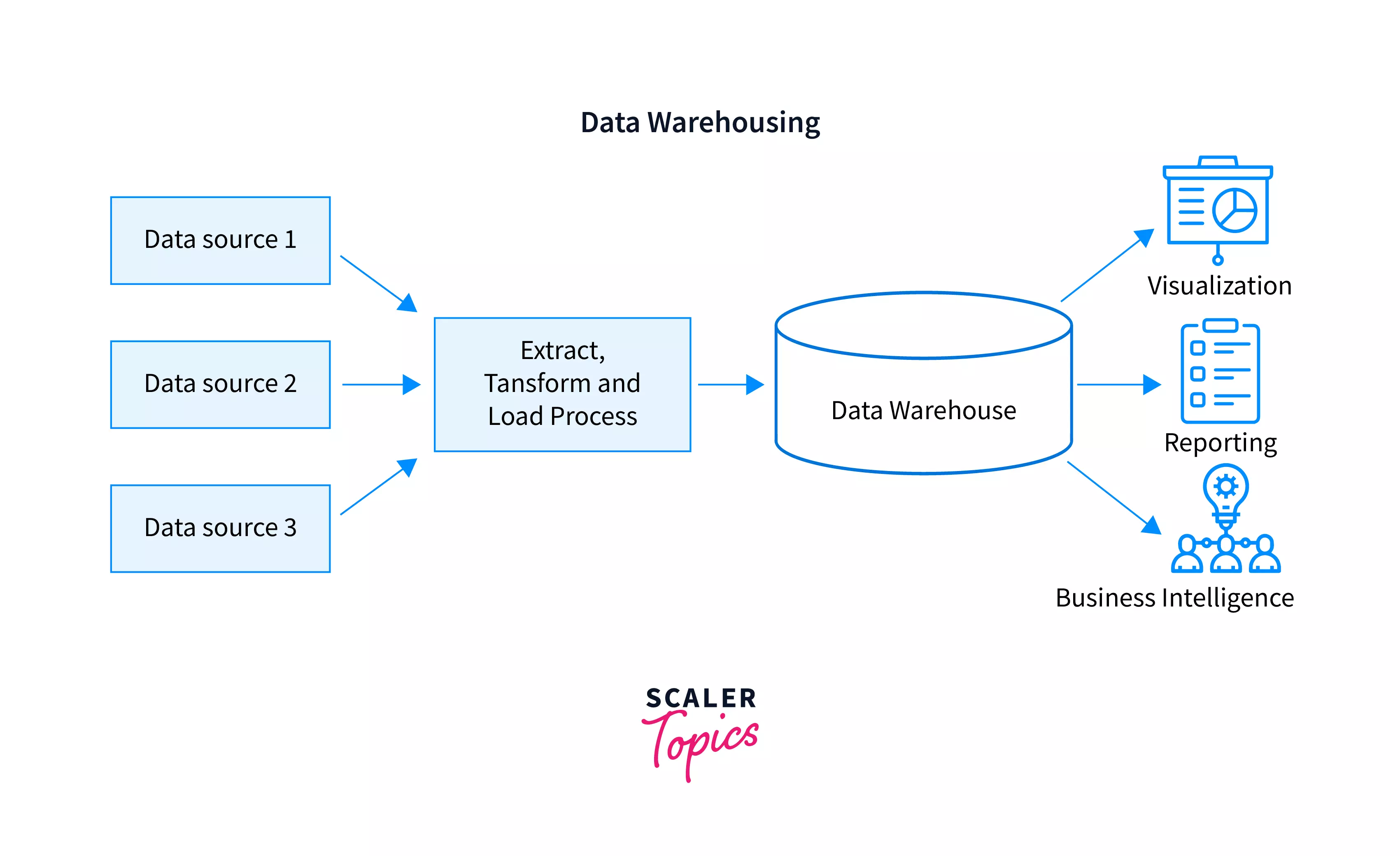
    Business Intelligence is more than dashboards and charts; it represents a holistic system designed to collect, process, analyze, and present data in a way that supports strategic planning. At its core, BI integrates data from multiple sources—such as CRM systems, ERP platforms, marketing tools, and financial software—into a unified analytical framework.

    The main objective of Business Intelligence is to enable data-driven decision-making across all levels of an organization. Whether it is monitoring sales performance, tracking supply chain efficiency, or analyzing customer behavior, BI provides clarity and direction.

    Modern BI systems often rely on data warehouses, data lakes, and real-time analytics engines. These technologies consolidate structured and unstructured data into centralized repositories. From there, advanced analytics tools transform numbers into visual reports, predictive models, and performance indicators.

    Business Intelligence eliminates guesswork and replaces it with measurable insights. Instead of waiting for monthly summaries, leaders can access real-time dashboards that reflect current business conditions.

    BI also supports descriptive, diagnostic, predictive, and prescriptive analytics. Descriptive analytics explains what happened. Diagnostic analytics uncovers why it happened. Predictive analytics forecasts what might happen next. Prescriptive analytics recommends actionable solutions.

    By integrating these analytical layers, Business Intelligence empowers organizations to move from reactive to proactive strategies. It becomes a compass guiding businesses through uncertainty.

    Ultimately, BI bridges the gap between raw information and executive action, turning complexity into clarity.


    Key Components of a Business Intelligence System

    https://scaler.com/topics/images/architecture-of-data-warehoue-image-data-warehouse.webp

    A successful Business Intelligence framework consists of several interconnected components that work together seamlessly.

    The first component is data collection, which gathers information from internal and external sources. This includes transactional databases, cloud platforms, IoT devices, social media, and third-party APIs.

    Next comes data integration, often managed through ETL (Extract, Transform, Load) processes. ETL tools extract data from multiple systems, transform it into standardized formats, and load it into centralized storage systems.

    Data storage typically relies on data warehouses or data lakes. These repositories ensure that large volumes of information remain organized, secure, and accessible for analysis.

    Analytics engines then process stored data using statistical models, machine learning algorithms, and query systems.

    Visualization tools translate complex datasets into user-friendly dashboards, charts, and interactive reports. Clear visuals enable non-technical stakeholders to understand insights quickly.

    Reporting mechanisms distribute insights across departments, ensuring alignment between marketing, finance, operations, and leadership teams.

    Security and governance remain essential components of Business Intelligence systems. Proper data protection ensures compliance with regulations and safeguards sensitive information.

    Together, these elements form a cohesive BI ecosystem that drives informed strategic decisions.


    Top Business Intelligence Tools and Platforms

    Numerous BI platforms dominate the global market, offering powerful analytics capabilities tailored to diverse business needs.

    One of the most popular solutions is Microsoft Power BI, known for its intuitive interface and seamless integration with Microsoft ecosystems. It enables users to create dynamic dashboards and perform advanced analytics with minimal coding.

    Another leading platform is Tableau, renowned for its interactive data visualization features. Tableau transforms raw data into compelling visual stories that enhance executive presentations.

    SAP BusinessObjects provides enterprise-level BI solutions designed for large organizations requiring complex reporting capabilities.

    Similarly, Oracle Business Intelligence delivers robust analytics integrated with Oracle’s enterprise software ecosystem.

    Each Business Intelligence tool offers unique strengths, from advanced data modeling to AI-powered insights. Organizations select platforms based on scalability, integration capabilities, and industry requirements.

    Cloud-based BI solutions are increasingly popular due to flexibility, cost efficiency, and real-time collaboration features.

    Choosing the right BI platform directly influences data accessibility, decision speed, and operational efficiency.

    With constant innovation in analytics technology, BI tools continue evolving to meet modern enterprise demands.


    Benefits of Business Intelligence for Organizations

    The advantages of implementing Business Intelligence extend far beyond reporting. BI creates a culture of transparency and accountability throughout organizations.

    Improved decision-making stands as the primary benefit of Business Intelligence. Leaders gain access to accurate, timely insights that reduce reliance on intuition.

    Operational efficiency increases as companies identify inefficiencies, bottlenecks, and cost-saving opportunities. BI dashboards highlight underperforming areas that require optimization.

    Customer satisfaction improves when businesses analyze purchasing behavior and personalize services accordingly.

    Real-time analytics empower organizations to respond swiftly to market changes. This agility enhances competitiveness in dynamic industries.

    Revenue growth often follows BI adoption because companies identify high-performing products, profitable customer segments, and expansion opportunities.

    Risk management becomes more effective with predictive analytics. Businesses can anticipate potential disruptions and develop contingency plans.

    Business Intelligence fosters collaboration across departments by providing shared performance metrics and transparent reporting.

    Ultimately, BI strengthens strategic alignment, ensuring every team works toward measurable objectives supported by data.


    Implementing Business Intelligence Successfully

    Adopting Business Intelligence requires careful planning, technical expertise, and organizational commitment.

    The first step involves defining clear objectives. Companies must identify which business challenges BI aims to solve—whether improving sales forecasting or optimizing inventory management.

    Next comes data preparation. Clean, accurate, and consistent data forms the backbone of reliable analytics.

    Selecting the appropriate BI platform ensures scalability and integration with existing systems.

    Leadership support remains critical for successful implementation. Executives must champion data-driven culture and allocate necessary resources.

    Training employees to interpret dashboards and analytics ensures maximum utilization of BI tools.

    Organizations should establish data governance frameworks to maintain accuracy, security, and compliance.

    Continuous monitoring and optimization guarantee that Business Intelligence systems evolve alongside business needs.

    When implemented strategically, BI becomes an indispensable asset driving sustainable growth.


    Challenges and Common Misconceptions About BI

    Despite its benefits, Business Intelligence implementation presents challenges.

    Data silos remain a major obstacle. When departments operate independently, integrating information becomes complex.

    High implementation costs may discourage small businesses, although cloud solutions now offer affordable options.

    Another misconception is that BI automatically guarantees success. In reality, Business Intelligence tools are only as effective as the strategies guiding them.

    Resistance to change may hinder adoption. Employees accustomed to traditional decision-making methods might hesitate to rely on analytics.

    Poor data quality can undermine trust in BI insights. Without accurate data, dashboards produce misleading conclusions.

    Security risks also demand attention. Organizations must protect sensitive customer and financial information.

    Addressing these challenges proactively ensures Business Intelligence delivers maximum return on investment.

    Understanding potential obstacles allows companies to build resilient BI infrastructures.


    The Future of Business Intelligence in 2026 and Beyond

    The future of Business Intelligence is deeply intertwined with artificial intelligence, automation, and big data innovations.

    AI-powered analytics now enhance predictive accuracy, enabling organizations to forecast trends with greater precision.

    Natural language processing allows users to query data using conversational commands.

    Self-service BI platforms empower non-technical employees to generate reports independently.

    Real-time streaming analytics support industries like finance, healthcare, and e-commerce, where instant insights are critical.

    Cloud-based BI ecosystems provide global accessibility and seamless collaboration across distributed teams.

    Data democratization represents the next evolution of Business Intelligence. Every employee, from executives to frontline workers, gains access to relevant insights.

    Sustainability metrics and ESG reporting also integrate with BI systems, supporting responsible business practices.

    As digital transformation accelerates, Business Intelligence will continue shaping strategic innovation worldwide.


    Conclusion: Why Business Intelligence Is the Backbone of Data-Driven Success

    Business Intelligence has redefined how organizations operate, compete, and grow. By converting raw data into actionable insights, BI empowers leaders to make smarter, faster, and more confident decisions.

    In the era of digital disruption, Business Intelligence stands as a strategic necessity rather than an optional investment. It enhances transparency, improves efficiency, and unlocks new revenue opportunities.

    From advanced analytics tools to AI-driven forecasting, BI technologies continue evolving to meet modern demands.

    Organizations that embrace Business Intelligence gain a sustainable competitive advantage in rapidly changing markets.

    By fostering a data-driven culture, businesses position themselves for long-term resilience and innovation.

    Business Intelligence is not just about data—it is about transforming information into strategic power that drives measurable success.

  • AGILE Methodology: The Modern Framework Transforming Business, Technology, and Innovation

    AGILE Methodology: The Modern Framework Transforming Business, Technology, and Innovation

    In today’s fast-changing digital economy, organizations can no longer afford slow decision-making, rigid planning, or outdated management systems. Markets evolve rapidly, customer expectations shift overnight, and competition intensifies across every industry. This is where AGILE methodology has emerged as a powerful, transformative approach that reshapes how teams build products, deliver services, and create value. Originally rooted in software development, AGILE has now expanded into marketing, finance, healthcare, education, and even government sectors.

    The beauty of AGILE lies in its simplicity and adaptability. Instead of following a linear, fixed roadmap, it encourages flexibility, collaboration, and continuous improvement. It empowers teams to respond to change rather than resist it. AGILE is not just a project management style—it is a mindset focused on delivering value consistently and efficiently.

    This comprehensive guide explores AGILE in depth, covering its principles, frameworks, benefits, implementation strategies, and future impact. If you’re looking to understand what AGILE really means, how it works, and why it is essential in 2026 and beyond, this article provides a complete, SEO-optimized overview for business leaders, entrepreneurs, and professionals.


    Understanding AGILE: Definition and Core Philosophy

    At its core, AGILE is an iterative and incremental approach to project management and product development. Instead of building a complete product over months or years before launch, AGILE promotes breaking work into smaller, manageable cycles called iterations or sprints. Each sprint produces a working component of the final product.

    The foundation of AGILE comes from the Agile Alliance, which introduced the Agile Manifesto in 2001. This manifesto outlined four central values and twelve guiding principles that prioritize individuals, collaboration, working solutions, and adaptability. These values fundamentally changed how organizations approach development and teamwork.

    AGILE values individuals and interactions over processes and tools. It emphasizes collaboration over contract negotiation. It prefers working solutions over extensive documentation. Most importantly, it prioritizes responding to change over strictly following a plan. This shift from rigid control to adaptive thinking is what makes AGILE revolutionary.

    Rather than focusing on predicting every possible outcome at the beginning of a project, AGILE teams embrace uncertainty. They test, measure, adjust, and improve continuously. This allows businesses to minimize risk while maximizing innovation.

    In a world defined by volatility and digital transformation, AGILE methodology provides the flexibility organizations need to remain competitive. It supports faster delivery cycles, improved team morale, and stronger customer alignment.

    Ultimately, AGILE is not a rulebook—it is a living framework that evolves with organizational needs. Companies that adopt AGILE successfully often experience improved transparency, accountability, and productivity. The philosophy centers around delivering value early, frequently, and consistently.


    The Four Values and Twelve Principles of AGILE

    The Agile Manifesto is built upon four core values that guide every AGILE implementation. These values create the philosophical backbone of the methodology.

    Individuals and interactions over processes and tools highlight the importance of human collaboration. While tools are helpful, it is people who drive innovation and problem-solving. Effective communication remains central to project success.

    Working solutions over comprehensive documentation emphasize delivering tangible outcomes. Rather than spending excessive time drafting documents, AGILE teams focus on building functional deliverables. Progress is measured by working output, not paperwork.

    Customer collaboration over contract negotiation underscores the importance of maintaining ongoing dialogue with stakeholders. Customer feedback becomes an integral part of development.

    Responding to change over following a plan reinforces adaptability. In dynamic markets, change is inevitable. AGILE teams welcome modifications that improve results.

    Beyond these values, twelve principles guide implementation. These principles include frequent delivery, sustainable pace, continuous attention to technical excellence, simplicity, and self-organizing teams.

    One of the most powerful AGILE principles is delivering value early and continuously. This reduces risk and ensures customers benefit quickly.

    Another essential principle is embracing changing requirements, even late in development. Instead of resisting adjustments, AGILE frameworks incorporate feedback loops to refine solutions.

    Together, these values and principles create a culture of responsiveness, innovation, and collaboration that modern businesses rely on.


    Popular AGILE Frameworks: Scrum, Kanban, and More

    https://static.kanbantool.com/kanban-guide/traditional-project_managment.jpg

    While AGILE represents the philosophy, several frameworks provide structured ways to implement it. Each framework aligns with AGILE values but offers different execution models.

    Scrum is one of the most widely used AGILE frameworks. It organizes work into time-boxed sprints, typically lasting two to four weeks. Scrum includes defined roles such as Product Owner, Scrum Master, and Development Team. Daily stand-up meetings ensure alignment and accountability.

    Kanban focuses on visualizing workflow using boards and task cards. It emphasizes continuous delivery rather than fixed sprints. Kanban helps teams manage work-in-progress limits and identify bottlenecks efficiently.

    Lean methodology removes waste and optimizes processes. It aims to maximize value while minimizing unnecessary activities. Lean thinking encourages efficiency without sacrificing quality.

    Extreme Programming (XP) concentrates on technical excellence and frequent releases. It integrates continuous testing and pair programming to enhance quality.

    Choosing the right AGILE framework depends on organizational culture, project complexity, and team size. Some companies combine frameworks, creating hybrid models tailored to their needs.

    The flexibility of AGILE frameworks allows organizations to experiment and refine their approach over time. There is no one-size-fits-all method. Instead, teams evolve systems that best support productivity and collaboration.

    By adopting structured frameworks, businesses transform AGILE principles into practical execution strategies.


    Benefits of AGILE Methodology for Modern Businesses

    AGILE offers numerous advantages that explain its widespread adoption across industries. These benefits go beyond project management and influence organizational culture as a whole.

    Faster time-to-market stands as one of the most significant advantages. Because work is divided into smaller increments, products reach customers sooner. Early releases allow companies to gather feedback and improve continuously.

    Improved customer satisfaction is another major benefit. Frequent collaboration ensures that solutions align closely with customer expectations. Customers feel involved, valued, and heard throughout development.

    Enhanced team productivity and morale result from increased autonomy. Self-organizing teams make decisions collectively, fostering accountability and ownership.

    Risk reduction becomes possible because issues are identified early in iterative cycles. Instead of discovering problems at the final stage, teams address them immediately.

    Transparency improves through daily meetings, progress tracking boards, and sprint reviews. Everyone understands goals, priorities, and progress metrics.

    Adaptability remains the defining advantage of AGILE methodology. In volatile markets, businesses that pivot quickly outperform those bound by rigid structures.

    Moreover, AGILE encourages innovation. Continuous experimentation creates opportunities for creative solutions. Organizations become learning ecosystems rather than static hierarchies.

    Ultimately, AGILE transforms not only project outcomes but entire corporate cultures.


    Implementing AGILE Successfully in Your Organization

    Adopting AGILE requires more than simply conducting daily meetings or creating sprint boards. It demands cultural transformation and leadership commitment.

    The first step involves educating teams about AGILE principles. Training programs, workshops, and certifications help establish a shared understanding.

    Leadership support is critical. Executives must embrace flexibility and empower teams. Without leadership buy-in, AGILE initiatives often fail due to resistance to change.

    Starting small can increase success rates. Many organizations begin with pilot teams before scaling AGILE company-wide. This approach allows learning and adjustment.

    Communication channels should remain open and transparent. Feedback loops must operate efficiently across departments.

    Tools such as digital boards, collaboration platforms, and performance dashboards enhance visibility. However, AGILE emphasizes people over tools, so technology should support—not replace—human collaboration.

    Continuous improvement remains essential. Teams should conduct retrospectives after each sprint to evaluate performance and identify improvement areas.

    Scaling AGILE across large enterprises may require frameworks like SAFe or LeSS. Regardless of the approach, alignment between departments ensures consistency.

    Successful AGILE implementation transforms organizational mindset, not just workflow structures.


    Challenges and Misconceptions About AGILE

    Despite its popularity, AGILE faces misconceptions. Some believe it eliminates planning entirely. In reality, AGILE promotes adaptive planning rather than the absence of planning.

    Others assume AGILE means working without documentation. However, documentation still exists—just in a leaner, more purposeful form.

    Resistance to change poses one of the greatest challenges. Employees accustomed to hierarchical structures may struggle with self-organization.

    Misaligned expectations can also cause difficulties. If stakeholders expect instant results without understanding iterative processes, frustration may arise.

    AGILE requires discipline, transparency, and commitment. It is not a shortcut but a structured methodology focused on value delivery.

    Scaling across distributed teams may introduce communication complexities. Proper tools and clear processes help mitigate these challenges.

    Another common misconception is that AGILE works only in software development. Today, marketing teams, HR departments, and even educational institutions successfully apply AGILE principles.

    Understanding these realities prevents unrealistic expectations and increases implementation success rates.


    The Future of AGILE in 2026 and Beyond

    As digital transformation accelerates, AGILE continues evolving. Artificial intelligence, automation, and remote collaboration tools are enhancing AGILE workflows.

    Organizations increasingly combine AGILE with DevOps, cloud computing, and data analytics to create high-performance ecosystems.

    Hybrid work environments make AGILE even more relevant. Remote teams rely on transparency and frequent communication to maintain alignment.

    AI-powered analytics tools now help teams track sprint performance, predict bottlenecks, and optimize workflows.

    Sustainability initiatives also integrate AGILE practices. Iterative improvement models support environmentally responsible innovation.

    The integration of AGILE with emerging technologies positions businesses for long-term resilience.

    As markets grow more unpredictable, adaptability becomes a survival skill. AGILE’s emphasis on flexibility ensures organizations remain prepared for uncertainty.

    Ultimately, AGILE is not a temporary trend. It represents a permanent shift in how modern enterprises operate and innovate.


    Conclusion: Why AGILE Is the Competitive Advantage of the Digital Age

    AGILE methodology has redefined how organizations think, plan, and execute projects. By focusing on collaboration, adaptability, and continuous improvement, AGILE empowers teams to deliver meaningful value consistently.

    In an era defined by rapid technological evolution and shifting consumer expectations, AGILE stands as a strategic necessity rather than an optional framework. It reduces risk, enhances customer satisfaction, and accelerates innovation.

    From startups to multinational corporations, AGILE has proven its effectiveness across industries. Its principles encourage resilience, transparency, and sustainable growth.

    Businesses that embrace AGILE position themselves to thrive in complexity rather than fear it. They transform challenges into opportunities and feedback into innovation.

    As we move deeper into 2026 and beyond, AGILE will continue shaping the future of work. Organizations that internalize its mindset will lead markets, inspire teams, and deliver exceptional results.

    AGILE is more than a methodology—it is the foundation of modern success in a dynamic, digital world.