Author: CIOGlobals

  • Human Resource Management: The Backbone of Organizational Success

    Human Resource Management: The Backbone of Organizational Success


    Introduction to Human Resource Management

    Human Resource Management (HRM) is the strategic approach to managing people within an organization to help achieve business goals effectively and efficiently. It is not just about hiring and payroll; it is about building a productive, engaged, and satisfied workforce. Human resources are the most valuable asset of any organization, and managing them effectively determines long-term success.

    In today’s dynamic business environment, HR has evolved from an administrative function to a strategic partner in business growth. Organizations now rely on HR professionals to shape culture, improve performance, and drive innovation. A strong HR function ensures that employees are aligned with the company’s vision and objectives.

    The importance of HRM lies in its ability to balance employee needs with organizational goals. It focuses on recruitment, training, performance management, employee engagement, and compliance. Effective HR practices create a positive work environment that enhances productivity and reduces turnover.

    Moreover, HRM plays a crucial role in fostering diversity, inclusion, and equality in the workplace. By promoting fair practices, HR ensures that every employee feels valued and respected. A diverse workforce leads to better decision-making and innovation.

    With the rise of digital transformation, HR is increasingly leveraging technology to streamline processes and improve efficiency. From HR software to AI-driven recruitment tools, the future of HR is highly data-driven. Technology enables HR teams to make informed decisions and enhance employee experiences.

    In this blog, we will explore the various aspects of human resource management, its functions, strategies, challenges, and future trends that shape modern workplaces.


    Core Functions of Human Resource Management

    Human Resource Management encompasses several key functions that are essential for managing employees effectively. These functions ensure that organizations operate smoothly and achieve their objectives. Each HR function plays a critical role in building a strong workforce.

    Recruitment and selection are among the primary responsibilities of HR. This involves identifying talent, conducting interviews, and hiring the right candidates. Hiring the right people is the foundation of organizational success.

    Training and development focus on enhancing employees’ skills and knowledge. Organizations invest in training programs to improve performance and prepare employees for future roles. Continuous learning ensures that employees remain competitive and adaptable.

    Performance management is another vital function. It involves setting goals, evaluating performance, and providing feedback. Regular performance assessments help in identifying strengths and areas for improvement.

    Compensation and benefits management ensures that employees are fairly rewarded for their work. This includes salaries, bonuses, and other perks. Competitive compensation packages attract and retain top talent.

    Employee relations focus on maintaining a positive work environment and resolving conflicts. HR plays a key role in addressing grievances and ensuring employee satisfaction. Healthy employee relations contribute to a harmonious workplace.

    Compliance with labor laws and regulations is also a critical function. HR ensures that the organization adheres to legal requirements. Compliance protects the organization from legal risks and penalties.


    The Role of HR in Organizational Growth

    Human Resource Management is a driving force behind organizational growth and development. It aligns workforce capabilities with business strategies to achieve desired outcomes. HR acts as a bridge between employees and management, ensuring mutual understanding and collaboration.

    One of the key roles of HR is talent management. This involves identifying, developing, and retaining top talent within the organization. Effective talent management ensures a steady pipeline of skilled employees.

    HR also plays a significant role in shaping organizational culture. A positive culture fosters collaboration, innovation, and employee engagement. A strong culture enhances employee satisfaction and productivity.

    Leadership development is another critical aspect of HR. By nurturing future leaders, organizations can ensure continuity and growth. Investing in leadership development prepares organizations for future challenges.

    HR contributes to change management by helping employees adapt to new processes and technologies. It ensures smooth transitions during organizational changes. Effective change management minimizes resistance and disruption.

    Employee engagement is a key focus area for HR. Engaged employees are more productive and committed to their work. High engagement levels lead to better performance and reduced turnover.

    Ultimately, HR’s role in organizational growth is to create an environment where employees can thrive. A motivated workforce drives innovation and business success.


    Recruitment and Talent Acquisition Strategies

    Recruitment and talent acquisition are critical components of HRM. They involve attracting, selecting, and onboarding the best candidates for the organization. A strategic recruitment process ensures that the organization hires the right talent at the right time.

    Modern recruitment strategies leverage digital platforms such as job portals, social media, and professional networks. These platforms provide access to a vast pool of candidates. Digital recruitment enhances reach and efficiency.

    Employer branding plays a crucial role in attracting top talent. Organizations must build a strong reputation as an employer of choice. A positive employer brand attracts high-quality candidates.

    The use of data analytics in recruitment helps in making informed decisions. HR professionals can analyze candidate data to identify the best fit. Data-driven recruitment improves accuracy and reduces hiring risks.

    Diversity and inclusion are important considerations in talent acquisition. Organizations aim to build diverse teams that bring different perspectives. Diverse teams foster creativity and innovation.

    Onboarding is another critical aspect of recruitment. A well-structured onboarding process helps new employees integrate into the organization. Effective onboarding improves employee retention and engagement.

    In conclusion, recruitment is not just about filling positions—it is about building a strong and capable workforce. Strategic talent acquisition is essential for long-term success.


    Employee Training and Development

    Training and development are essential for enhancing employee skills and ensuring organizational growth. These programs help employees stay updated with industry trends and improve their performance. Continuous development is key to maintaining a competitive workforce.

    Organizations invest in various training programs, including technical training, soft skills development, and leadership training. These programs cater to different employee needs. Comprehensive training programs enhance overall performance.

    E-learning platforms have revolutionized training by providing flexible and accessible learning opportunities. Employees can learn at their own pace and convenience. Digital learning enhances accessibility and efficiency.

    Mentorship and coaching are also important aspects of employee development. Experienced professionals guide and support employees in their career growth. Mentorship fosters knowledge sharing and professional growth.

    Performance-based training ensures that employees receive targeted development opportunities. HR identifies skill gaps and provides relevant training. Targeted training improves effectiveness and results.

    Investing in employee development not only improves performance but also boosts morale and job satisfaction. Employees who feel valued are more likely to stay with the organization.

    Ultimately, training and development are investments in the future. A skilled workforce drives innovation and business success.


    Performance Management and Employee Engagement

    Performance management is a continuous process of evaluating and improving employee performance. It involves setting goals, monitoring progress, and providing feedback. Effective performance management aligns individual goals with organizational objectives.

    Regular performance reviews help employees understand their strengths and areas for improvement. Constructive feedback is essential for growth. Feedback-driven development enhances performance and productivity.

    Employee engagement is closely linked to performance management. Engaged employees are more motivated and committed to their work. High engagement levels lead to better outcomes and job satisfaction.

    Recognition and rewards play a significant role in boosting engagement. Acknowledging employees’ efforts motivates them to perform better. Recognition fosters a culture of appreciation and excellence.

    Work-life balance is another important factor in employee engagement. Organizations must ensure that employees have a healthy balance between work and personal life. A balanced lifestyle improves well-being and productivity.

    Communication is key to maintaining engagement. Open and transparent communication builds trust and strengthens relationships. Effective communication enhances collaboration and teamwork.

    In summary, performance management and engagement are interconnected. A motivated workforce is essential for achieving organizational goals.


    Challenges in Human Resource Management

    Human Resource Management faces several challenges in today’s rapidly changing environment. These challenges require strategic solutions and adaptability. Addressing HR challenges is crucial for maintaining organizational stability and growth.

    One of the major challenges is managing a diverse workforce. Different backgrounds and perspectives can lead to conflicts. Effective diversity management promotes harmony and inclusivity.

    Employee retention is another significant challenge. High turnover rates can impact productivity and increase costs. Retention strategies are essential for maintaining a stable workforce.

    Adapting to technological advancements can be challenging for HR professionals. Implementing new tools requires training and investment. Embracing technology is necessary for staying competitive.

    Compliance with labor laws and regulations is also a critical challenge. Organizations must stay updated with changing legal requirements. Compliance ensures smooth operations and avoids legal issues.

    Remote work and hybrid work models have introduced new challenges in managing employees. HR must find ways to maintain engagement and productivity. Flexible work models require innovative management approaches.

    In conclusion, HR challenges are inevitable but manageable. Proactive strategies and adaptability are key to overcoming these challenges.


    Future Trends in Human Resource Management

    The future of Human Resource Management is shaped by technological advancements and changing workforce dynamics. Organizations must stay ahead of these trends to remain competitive. Innovation and adaptability are essential for future success.

    Artificial Intelligence and automation are transforming HR processes. From recruitment to performance management, AI is enhancing efficiency. AI-driven HR practices improve decision-making and productivity.

    Employee experience is becoming a top priority for organizations. HR focuses on creating a positive and engaging work environment. A strong employee experience leads to higher satisfaction and retention.

    Remote work and flexible work arrangements are becoming the norm. Organizations must adapt to these changes and provide the necessary support. Flexibility enhances employee well-being and productivity.

    Data analytics is playing an increasingly important role in HR. HR professionals use data to make informed decisions and improve strategies. Data-driven HR practices lead to better outcomes.

    Diversity, equity, and inclusion will continue to be key focus areas. Organizations must promote fair and inclusive practices. Inclusive workplaces foster innovation and growth.

    In summary, the future of HR is dynamic and technology-driven. Organizations that embrace change will thrive in the evolving landscape.


    Conclusion

    Human Resource Management is a vital function that drives organizational success by managing and developing employees effectively. It plays a strategic role in aligning workforce capabilities with business goals. A strong HR function is essential for building a productive and engaged workforce.

    From recruitment to performance management, HR encompasses various functions that contribute to organizational growth. It ensures that employees are motivated, skilled, and aligned with the company’s vision. Effective HR practices lead to improved performance and business success.

    In the modern era, HR must leverage technology, data, and innovative strategies to stay competitive. It must also address challenges such as diversity, retention, and remote work. Adaptability and continuous improvement are key to HR success.

    The future of HR lies in creating a positive employee experience, embracing technology, and fostering inclusivity. Organizations that prioritize their people will achieve long-term success. Investing in human resources is investing in the future of the organization.

  • Travel and Hospitality: Transforming Experiences in a Connected World

    Travel and Hospitality: Transforming Experiences in a Connected World

    Introduction: The Ever-Evolving World of Travel and Hospitality

    The travel and hospitality industry is one of the most dynamic and influential sectors in the global economy, shaping how people explore the world and experience different cultures. It encompasses everything from airlines and hotels to tourism services and digital travel platforms, all working together to create seamless journeys. In today’s interconnected world, travel is no longer just about reaching a destination—it is about creating memorable experiences that resonate emotionally with travelers. As globalization continues to expand, the demand for unique, personalized, and immersive travel experiences is growing rapidly.

    The rise of digital technology has revolutionized the way people plan, book, and experience travel, making it more accessible and convenient than ever before. Online booking platforms, mobile apps, and AI-powered recommendations have transformed customer expectations, pushing businesses to innovate constantly. At the same time, sustainability and responsible tourism are becoming central themes, as travelers increasingly seek eco-friendly options and culturally respectful experiences.

    The industry is also a major driver of employment, contributing significantly to economic growth across countries. From local tour guides to global hotel chains, millions of people depend on this sector for their livelihoods. Despite challenges such as global crises and changing consumer behavior, the resilience of travel and hospitality continues to shine through innovation and adaptability.


    The Role of Technology in Modern Travel

    Technology has become the backbone of the modern travel and hospitality industry, enabling seamless and efficient experiences for both customers and service providers. Artificial intelligence and machine learning are being used to personalize travel recommendations, helping travelers discover destinations, hotels, and activities tailored to their preferences. This level of customization enhances customer satisfaction and builds long-term loyalty.

    Mobile technology has made travel planning more convenient than ever, allowing users to book flights, hotels, and experiences with just a few taps. Apps now offer real-time updates on flight status, weather conditions, and local attractions, ensuring travelers stay informed throughout their journey. Additionally, contactless technologies such as digital check-ins and mobile room keys have become essential, especially in a post-pandemic world.

    Virtual reality (VR) and augmented reality (AR) are also transforming the way travelers explore destinations before they even arrive. These technologies provide immersive previews of hotels, landmarks, and experiences, helping travelers make informed decisions. Furthermore, smart hotel rooms equipped with IoT devices allow guests to control lighting, temperature, and entertainment systems through their smartphones.


    Customer Experience: The Heart of Hospitality

    At the core of the travel and hospitality industry lies the concept of exceptional customer experience. Providing personalized, memorable, and seamless experiences is the key to success in this highly competitive sector. Guests today expect more than just basic services—they seek emotional connections, comfort, and unique experiences that make their journeys unforgettable.

    Hospitality businesses are increasingly focusing on understanding customer preferences through data analytics and feedback systems. By analyzing customer behavior, companies can tailor services to meet individual needs, whether it’s offering customized room settings or recommending local attractions. This level of personalization creates a sense of belonging and enhances overall satisfaction.

    Training staff to deliver outstanding service is equally important, as human interaction remains a critical aspect of hospitality. Friendly, knowledgeable, and attentive staff can significantly impact a guest’s experience, turning a simple stay into a cherished memory. Additionally, maintaining consistency in service quality across all touchpoints ensures that customers receive the same level of excellence every time.


    Sustainability and Responsible Tourism

    Sustainability has become a defining factor in the future of travel and hospitality, as environmental concerns and social responsibility take center stage. Travelers are increasingly seeking eco-friendly options that minimize their carbon footprint and support local communities. This shift in consumer behavior is driving businesses to adopt sustainable practices across their operations.

    Hotels and resorts are implementing energy-efficient systems, reducing waste, and sourcing local materials to promote sustainability. Initiatives such as eliminating single-use plastics, conserving water, and using renewable energy sources are becoming standard practices. These efforts not only benefit the environment but also enhance the brand image of businesses.

    Responsible tourism also involves respecting local cultures and traditions, ensuring that tourism benefits communities rather than exploiting them. Supporting local artisans, promoting cultural heritage, and engaging in community-based tourism are ways to create a positive impact. As awareness grows, sustainability is no longer just an option—it is a necessity for long-term success.


    The Rise of Experiential Travel

    Modern travelers are shifting from traditional sightseeing to experiential travel, where the focus is on meaningful and immersive experiences. People now want to connect with destinations on a deeper level, engaging with local cultures, traditions, and lifestyles. This trend has given rise to unique travel offerings such as culinary tours, adventure trips, and wellness retreats.

    Experiential travel allows individuals to create lasting memories by participating in activities rather than just observing them. Whether it’s learning to cook local dishes, exploring remote landscapes, or attending cultural festivals, these experiences provide a sense of authenticity and fulfillment. This shift is redefining the way travel is perceived and marketed.

    The demand for personalized and unique experiences is also encouraging businesses to innovate and diversify their offerings. Travel companies are designing curated itineraries that cater to specific interests, ensuring that every journey is unique. As a result, experiential travel is becoming a major driver of growth in the industry.


    Challenges Facing the Travel and Hospitality Industry

    Despite its growth, the travel and hospitality industry faces several challenges that require strategic solutions. Global uncertainties such as economic fluctuations, health crises, and geopolitical tensions can significantly impact travel demand. Businesses must remain agile and adaptable to navigate these challenges effectively.

    Another major challenge is maintaining consistent service quality while scaling operations. As companies expand, ensuring that every customer receives the same level of excellence becomes increasingly complex. This requires robust training programs, standardized processes, and continuous monitoring.

    Cybersecurity is also a growing concern, as the industry relies heavily on digital platforms and customer data. Protecting sensitive information and ensuring secure transactions are critical to building trust with customers. Additionally, addressing environmental concerns and managing overtourism are essential for sustainable growth.


    Future Trends in Travel and Hospitality

    The future of travel and hospitality is filled with exciting possibilities, driven by innovation and changing consumer preferences. Emerging technologies such as AI, robotics, and blockchain are expected to revolutionize the industry, making travel more efficient and secure. From automated check-ins to AI-powered concierge services, the possibilities are endless.

    Sustainable travel will continue to gain importance, with businesses focusing on reducing their environmental impact and promoting responsible tourism. Travelers will increasingly choose brands that align with their values, making sustainability a key differentiator.

    The concept of smart tourism is also gaining traction, integrating technology with infrastructure to create seamless travel experiences. Smart cities, connected transportation systems, and digital tourism platforms will redefine how people explore the world. As the industry evolves, adaptability and innovation will remain the driving forces behind success.


    Conclusion: A Journey Beyond Destinations

    The travel and hospitality industry is more than just a sector—it is a gateway to experiences, connections, and cultural exchange. As technology, sustainability, and customer expectations continue to evolve, the industry must adapt to stay relevant and competitive. By embracing innovation and focusing on meaningful experiences, businesses can create lasting value for travelers.

    In the end, travel is not just about where you go, but how it makes you feel and the memories you create along the way. The future of travel and hospitality lies in delivering experiences that inspire, connect, and transform, making every journey truly unforgettable.

  • Digital Twin Technology: Transforming the Future of Smart Industries

    Digital Twin Technology: Transforming the Future of Smart Industries

    Introduction to Digital Twin Technology

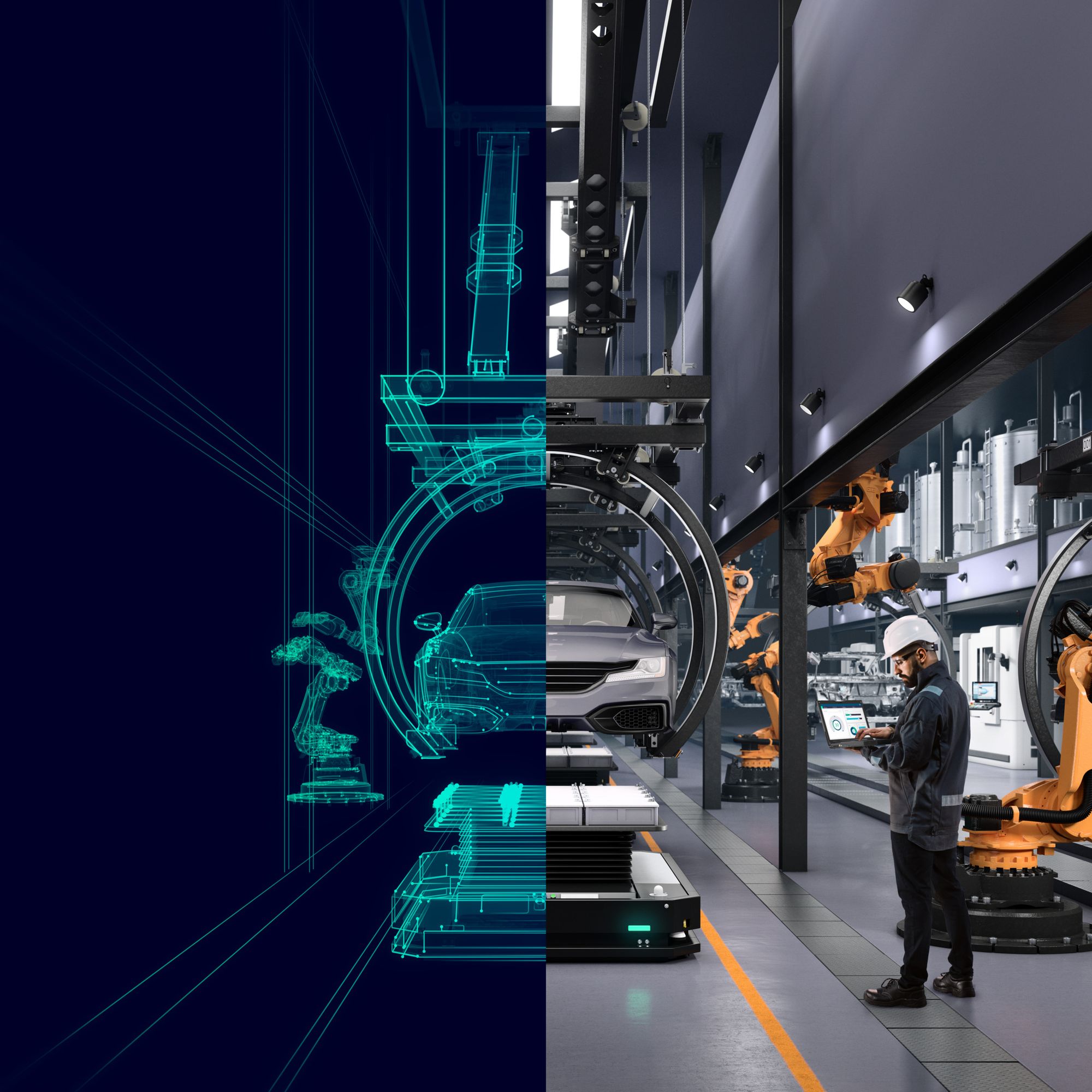
    In today’s rapidly evolving digital landscape, the concept of a Digital Twin is reshaping industries across the globe. A digital twin is a virtual replica of a physical object, process, system, or environment that mirrors its real-world counterpart in real time. This technology integrates Internet of Things (IoT), Artificial Intelligence (AI), Big Data analytics, and cloud computing to create dynamic simulations that continuously update with live data. The concept was first introduced by NASA for space missions, but today it powers smart factories, connected cities, and intelligent healthcare systems. By bridging the gap between the physical and digital worlds, digital twins enable organizations to monitor performance, predict failures, and optimize operations before issues arise.

    The true power of a digital twin lies in its ability to simulate scenarios without impacting real-world systems. Businesses can test new processes, predict maintenance needs, and improve product designs using accurate data-driven insights. This results in cost reduction, improved efficiency, and minimized risks. As industries embrace digital transformation, digital twins are becoming a core element of Industry 4.0 strategies. Real-time monitoring, predictive analytics, and performance optimization are no longer futuristic ideas but practical solutions delivered by digital twin platforms. The technology not only enhances operational efficiency but also strengthens innovation capabilities.

    With global investments increasing in smart technologies, digital twins are emerging as a competitive advantage. From aerospace to manufacturing, companies are leveraging digital replicas to gain deeper visibility into operations. The integration of digital twin technology with advanced machine learning models further enhances decision-making accuracy. As organizations move toward sustainable and data-driven business models, the digital twin serves as a powerful enabler of innovation. It represents the next evolution in intelligent automation and digital ecosystems.


    How Digital Twin Technology Works

    Understanding how digital twin technology functions requires exploring its core components. At its foundation, a digital twin collects data from sensors embedded in physical assets. These sensors transmit real-time data through IoT networks into cloud-based systems where the information is processed and analyzed. Advanced algorithms then replicate the asset’s behavior within a virtual environment. The combination of IoT connectivity, data analytics, and AI-driven simulations ensures the digital twin mirrors the physical object accurately.

    The system continuously updates as new data flows in, creating a dynamic and evolving model. Machine learning algorithms identify patterns, predict outcomes, and recommend actions based on historical and real-time data. This predictive capability allows organizations to anticipate equipment failures or performance bottlenecks before they occur. Digital twins can also run simulations to test “what-if” scenarios without interrupting real-world operations. Predictive maintenance and scenario modeling are among the most valuable benefits derived from this technology.

    Cloud computing plays a crucial role in ensuring scalability and accessibility. Data storage, analytics, and visualization tools are hosted in secure cloud environments, allowing teams to access insights remotely. Integration with enterprise systems such as ERP and CRM further enhances business intelligence. As a result, digital twins transform raw data into actionable insights that improve operational efficiency and strategic planning. The continuous feedback loop between physical and digital systems drives smarter decision-making.


    Applications of Digital Twin Across Industries

    Digital twin technology is revolutionizing multiple industries with transformative applications. In manufacturing, companies use digital twins to optimize production lines and reduce downtime. By simulating equipment performance, manufacturers can identify inefficiencies and improve product quality. Automotive companies use digital twins to test vehicle designs before production, reducing development costs and enhancing safety. Smart manufacturing and predictive quality control are key advantages in this sector.

    In healthcare, digital twins are being used to create personalized patient models. Doctors can simulate treatment outcomes and tailor therapies to individual needs. Hospitals use digital twins to optimize facility management and improve patient flow. The technology enhances diagnostics and supports preventive care initiatives. Personalized medicine and intelligent healthcare management represent groundbreaking advancements driven by digital twins.

    Smart cities also benefit from digital twin integration. Urban planners use digital replicas of cities to manage infrastructure, traffic flow, and energy consumption. By analyzing real-time data, city administrators can improve sustainability and disaster response strategies. Energy companies use digital twins to monitor power grids and optimize renewable energy integration. These applications highlight how digital twins contribute to efficient and sustainable development. From connected factories to intelligent cities, digital twin technology is redefining modern infrastructure.


    Benefits of Implementing Digital Twin Technology

    One of the primary benefits of digital twin technology is improved operational efficiency. By monitoring systems in real time, businesses can identify performance gaps and optimize resource allocation. Predictive maintenance reduces downtime and extends asset lifespan, resulting in significant cost savings. Companies can also test design modifications virtually before physical implementation, minimizing risk. Cost reduction, enhanced productivity, and risk mitigation are fundamental advantages of digital twin adoption.

    Another major benefit is data-driven innovation. Digital twins provide detailed insights into product performance and customer usage patterns. These insights help organizations develop better products and services tailored to market demands. In competitive markets, the ability to innovate quickly and accurately is essential. Digital twins empower companies to experiment safely and efficiently. Faster innovation cycles and improved customer experiences strengthen brand reputation and market position.

    Sustainability is another critical advantage. Digital twins enable organizations to track energy usage, reduce waste, and optimize supply chains. By simulating environmental impact scenarios, companies can align operations with sustainability goals. Governments and enterprises increasingly rely on digital twins to support green initiatives. As environmental concerns grow globally, digital twins play a vital role in creating responsible and sustainable systems. Sustainable transformation and eco-efficient operations define the future of digital twin technology.


    Challenges and Limitations of Digital Twin Adoption

    Despite its numerous benefits, digital twin technology faces certain challenges. One significant barrier is high implementation cost. Developing accurate digital replicas requires advanced infrastructure, sensors, and skilled professionals. Small and medium-sized enterprises may struggle with the financial investment required. However, as technology becomes more accessible, costs are expected to decrease. Initial capital investment and infrastructure complexity remain key concerns for many organizations.

    Data security and privacy issues also pose challenges. Since digital twins rely heavily on real-time data collection, organizations must ensure robust cybersecurity measures. Unauthorized access to sensitive operational data can lead to serious risks. Integrating digital twins with legacy systems may also present technical difficulties. Businesses must adopt secure cloud solutions and compliance frameworks to protect information. Cybersecurity and system integration challenges require careful strategic planning.

    Another limitation involves data accuracy and reliability. If sensor data is incomplete or inaccurate, the digital twin model may produce misleading insights. Continuous monitoring and calibration are essential to maintain precision. Organizations must invest in high-quality data management practices. Addressing these challenges ensures the digital twin remains a reliable and effective tool. Accurate data governance and technical expertise are crucial for long-term success.


    Future Trends of Digital Twin Technology

    The future of digital twin technology looks exceptionally promising. As artificial intelligence and machine learning evolve, digital twins will become more autonomous and intelligent. Real-time analytics will enable instant decision-making with minimal human intervention. Industries will increasingly adopt digital twins to enhance automation and operational resilience. AI-powered digital twins and autonomous systems represent the next phase of innovation.

    Integration with augmented reality (AR) and virtual reality (VR) will further enhance visualization capabilities. Engineers and technicians will interact with digital twins in immersive 3D environments. This advancement will improve training, maintenance, and collaborative problem-solving. As 5G networks expand, faster data transmission will support more complex and real-time simulations. Immersive visualization and high-speed connectivity will drive greater adoption across industries.

    Moreover, sustainability and smart ecosystems will shape the future direction of digital twin development. Governments and corporations will leverage digital twins to meet climate goals and optimize energy systems. The convergence of IoT, AI, blockchain, and cloud technologies will create highly interconnected digital ecosystems. Digital twins will evolve beyond individual assets to represent entire value chains and supply networks. The rise of interconnected intelligent ecosystems will define the next generation of digital transformation.


    Conclusion: Why Digital Twin Is the Future of Innovation

    Digital twin technology is more than a technological trend—it is a transformative innovation reshaping industries worldwide. By creating virtual replicas of physical systems, organizations gain unprecedented insights into performance, efficiency, and sustainability. From manufacturing and healthcare to smart cities and energy management, digital twins empower data-driven decision-making and predictive optimization. Real-time simulation, predictive intelligence, and strategic innovation position digital twins as a cornerstone of Industry 4.0.

    As digital transformation accelerates, companies that embrace digital twin solutions will gain a significant competitive edge. The ability to simulate, analyze, and optimize operations in a virtual environment reduces risk and enhances agility. While challenges such as cost and cybersecurity remain, continuous technological advancements are addressing these barriers. The future of smart industries depends on intelligent digital ecosystems powered by digital twin technology.

    In conclusion, digital twins are revolutionizing how businesses operate and innovate. They provide the foundation for smarter, more efficient, and sustainable systems across sectors. As organizations continue investing in AI, IoT, and cloud technologies, digital twins will become an essential component of digital strategies. The journey toward a fully connected and intelligent world is driven by the power of digital twin technology.

  • Mobile Application Development: Powering the Digital-First World

    Mobile Application Development: Powering the Digital-First World

    Introduction to Mobile Applications

    The rise of the smartphone has fundamentally transformed the way people interact with technology, businesses, and each other. A mobile application is a software program designed to run on smartphones, tablets, and other handheld devices, delivering functionality tailored for mobility and convenience. From communication and entertainment to finance and healthcare, mobile apps have become an integral part of daily life. Today’s digital economy thrives on mobile-first strategies, where businesses prioritize app experiences over traditional web platforms. The seamless integration of mobile apps with cloud services, APIs, and real-time data analytics ensures users receive fast, personalized experiences.

    Modern applications are not just tools; they are ecosystems that connect users to services instantly. With billions of smartphone users worldwide, companies see mobile apps as a direct channel to engage audiences, increase brand visibility, and drive revenue. Mobile apps offer speed, personalization, accessibility, and real-time engagement, making them essential for digital transformation. Whether it’s ordering food, booking a cab, learning online, or managing finances, apps simplify everyday tasks. As technology advances, mobile applications continue evolving with AI, augmented reality, and IoT integration.

    In a highly competitive digital landscape, businesses must deliver intuitive, secure, and scalable mobile experiences. User expectations are higher than ever, demanding fast loading times, attractive interfaces, and seamless functionality. A well-designed mobile app enhances customer loyalty and strengthens brand credibility. Mobile applications are no longer optional; they are the foundation of modern digital business strategies.


    Types of Mobile Applications

    Mobile applications can be broadly categorized into native apps, web apps, and hybrid apps. Native apps are built specifically for platforms like Android or iOS using platform-specific programming languages such as Kotlin or Swift. These apps provide superior performance, faster speed, and better access to device hardware like cameras and GPS. Because they are optimized for a single platform, native apps deliver smoother user experiences. High performance, enhanced security, and seamless integration are key benefits of native applications.

    Web applications, on the other hand, operate through web browsers and do not require installation from app stores. They are built using web technologies such as HTML, CSS, and JavaScript. Web apps are cost-effective and easier to maintain because they work across multiple platforms. However, they may lack advanced hardware access and offline capabilities. Businesses often use web apps for broader accessibility and lower development costs. Cross-platform compatibility and cost efficiency make web applications attractive for startups and small enterprises.

    Hybrid apps combine elements of both native and web applications. They are built using web technologies but packaged within a native container, allowing them to be distributed through app stores. Hybrid apps reduce development time and cost while offering moderate performance levels. Frameworks like React Native and Flutter have made hybrid development increasingly popular. Faster development cycles and multi-platform deployment are driving the growth of hybrid mobile applications worldwide.


    Key Features of a Successful Mobile Application

    A successful mobile application must prioritize user experience (UX) and user interface (UI) design. Intuitive navigation, clean layouts, and responsive design are critical for engaging users. If an app is difficult to navigate, users are likely to uninstall it quickly. Therefore, businesses invest heavily in research and design testing before launching an app. User-centric design and seamless navigation are foundational to mobile app success.

    Performance optimization is another essential feature. Apps must load quickly and function smoothly, even under high traffic. Slow performance can lead to negative reviews and reduced downloads. Developers optimize code, compress images, and use efficient caching mechanisms to enhance speed. Security also plays a vital role in protecting user data, especially for finance and healthcare apps. Fast performance, data encryption, and secure authentication ensure user trust and retention.

    Scalability and integration capabilities are equally important. As user bases grow, apps must handle increasing demand without crashes or downtime. Integration with cloud platforms, payment gateways, and analytics tools enhances functionality. Push notifications, personalization features, and offline access further improve user engagement. Scalable architecture and advanced integrations future-proof mobile applications against evolving market demands.


    Mobile Application Development Process

    The development of a mobile application begins with idea validation and market research. Businesses analyze target audiences, competitors, and user pain points before defining project goals. A well-documented project roadmap ensures clarity and efficiency throughout development. Planning includes selecting the right technology stack and platform strategy. Strategic planning and requirement analysis lay the foundation for a successful app launch.

    The next stage involves design and prototyping. Designers create wireframes and mockups to visualize the app’s layout and flow. User feedback during this stage helps refine the design before development begins. Developers then write code, integrate APIs, and test functionalities rigorously. Quality assurance teams perform extensive testing to identify and fix bugs. Agile development methodologies and continuous testing accelerate the development lifecycle while maintaining high quality.

    After development, the app is deployed to app stores like Google Play and Apple App Store. Post-launch activities include monitoring performance, collecting user feedback, and releasing updates. Continuous improvement ensures the app remains relevant and competitive. Marketing strategies such as App Store Optimization (ASO) increase visibility and downloads. Ongoing updates and performance monitoring are crucial for long-term mobile app success.


    Benefits of Mobile Applications for Businesses

    Mobile applications offer numerous benefits for businesses across industries. One of the most significant advantages is direct customer engagement. Apps allow companies to communicate with users through push notifications, personalized offers, and real-time updates. This strengthens customer relationships and boosts brand loyalty. Direct communication and personalized marketing enhance user engagement and retention.

    Another key benefit is increased revenue generation. Mobile apps enable in-app purchases, subscription models, and mobile commerce transactions. E-commerce businesses especially benefit from mobile shopping apps that simplify purchasing processes. Secure payment integrations further encourage user trust. Mobile commerce and subscription-based models contribute significantly to business growth.

    Additionally, mobile apps provide valuable customer insights. Analytics tools track user behavior, preferences, and interaction patterns. This data helps businesses make informed decisions and improve products or services. Enhanced brand visibility through app stores increases market reach. Data-driven decision-making and expanded market presence position mobile applications as powerful business tools.


    Emerging Trends in Mobile Application Development

    The mobile app industry is continuously evolving with technological advancements. Artificial Intelligence (AI) and machine learning are increasingly integrated into apps to provide personalized recommendations and chatbots. AI-powered features enhance automation and improve user experiences. Voice search and virtual assistants are also gaining popularity. AI-driven personalization and intelligent automation are transforming modern mobile apps.

    Augmented Reality (AR) and Virtual Reality (VR) are redefining user engagement, particularly in gaming, retail, and real estate sectors. AR-based shopping apps allow customers to visualize products before purchase. 5G connectivity further enhances app speed and real-time data processing. Faster internet speeds enable richer media experiences and seamless streaming. Immersive experiences and high-speed connectivity are shaping the future of mobile applications.

    Another growing trend is the adoption of Progressive Web Apps (PWAs) and cross-platform frameworks. Businesses aim to reduce development costs while maintaining high performance. Blockchain technology is also emerging for secure transactions and data protection. Sustainability-focused apps promoting eco-friendly practices are gaining attention. Cross-platform innovation and secure digital ecosystems define the next generation of mobile app development.


    Challenges in Mobile Application Development

    Despite numerous opportunities, mobile app development comes with challenges. Device fragmentation is a major issue, especially in the Android ecosystem. Developers must ensure compatibility across multiple screen sizes, operating systems, and hardware configurations. Testing becomes complex and time-consuming. Device compatibility and platform fragmentation require meticulous quality assurance strategies.

    Security threats pose another significant challenge. Cyberattacks, data breaches, and malware can damage brand reputation and user trust. Developers must implement encryption protocols, secure APIs, and multi-factor authentication systems. Compliance with data protection regulations adds another layer of complexity. Robust cybersecurity measures and regulatory compliance are essential for safeguarding user data.

    User retention is also a concern in a saturated app market. With millions of apps available, standing out requires strong branding and consistent updates. Poor user experiences can lead to high uninstall rates. Continuous innovation and customer feedback analysis are crucial for maintaining competitiveness. User retention strategies and continuous innovation determine long-term success in the mobile app ecosystem.


    Future Outlook of Mobile Applications

    The future of mobile applications is deeply intertwined with emerging technologies. As AI, IoT, and cloud computing advance, apps will become more intelligent and interconnected. Smart devices and wearable technology will further expand app functionalities. Businesses will focus on hyper-personalized experiences driven by real-time analytics. Hyper-personalization and connected ecosystems will redefine mobile engagement.

    Super apps that combine multiple services within a single platform are expected to grow in popularity. These apps offer convenience by integrating messaging, payments, shopping, and more into one ecosystem. Low-code and no-code development platforms will democratize app creation, allowing non-technical users to build applications. All-in-one platforms and simplified development tools will accelerate digital innovation.

    In conclusion, mobile applications remain at the heart of digital transformation. They empower businesses to innovate, connect, and grow in a mobile-driven world. As technology evolves, mobile apps will continue shaping how people interact with services and information. The future belongs to intelligent, secure, and user-focused mobile applications.

  • Data Analytics: Unlocking the Power of Intelligent Decision-Making

    Data Analytics: Unlocking the Power of Intelligent Decision-Making

    Introduction to Data Analytics

    In today’s hyper-connected digital economy, data is generated at an unprecedented rate. Every click, purchase, interaction, and transaction produces valuable information that businesses can analyze to gain meaningful insights. Data Analytics refers to the systematic process of examining raw data to uncover patterns, correlations, trends, and actionable intelligence. Organizations across industries are increasingly relying on analytics to guide strategic decisions, optimize operations, and enhance customer experiences.

    The importance of data analytics lies in its ability to convert complex information into understandable and useful insights. Rather than relying on guesswork, companies now use advanced analytical tools to make evidence-based decisions. Data-driven strategies, real-time insights, and predictive intelligence have become essential for sustainable business growth. From startups to global enterprises, analytics plays a central role in digital transformation.

    As technology evolves, the scope of data analytics continues to expand. Artificial intelligence, machine learning, and cloud computing have amplified its capabilities, enabling faster and more accurate analysis. Organizations that embrace analytics gain a competitive advantage in rapidly changing markets. Data analytics is no longer optional; it is the backbone of modern business intelligence.


    Types of Data Analytics

    Data analytics can be categorized into four primary types: descriptive, diagnostic, predictive, and prescriptive analytics. Descriptive analytics focuses on understanding what has happened in the past by summarizing historical data. It uses dashboards, reports, and visualizations to present key performance indicators. Historical analysis and performance tracking are the main functions of descriptive analytics.

    Diagnostic analytics goes a step further by identifying the reasons behind specific outcomes. It examines relationships and patterns within data to determine root causes. Businesses use this type of analytics to understand why sales declined or why operational inefficiencies occurred. Root cause identification and correlation analysis help organizations improve performance.

    Predictive analytics uses statistical models and machine learning algorithms to forecast future outcomes. Companies rely on predictive models for demand forecasting, risk assessment, and customer behavior prediction. Prescriptive analytics provides recommendations based on predictive insights, suggesting optimal actions for desired results. Forecasting trends and recommending strategic actions represent the advanced stages of data analytics.


    The Data Analytics Process

    The data analytics process begins with data collection from various sources such as databases, cloud platforms, IoT devices, and online systems. Accurate data gathering ensures reliable analysis. Organizations must define clear objectives before collecting information. Structured data acquisition and goal-oriented planning lay the foundation for effective analytics.

    Once collected, data must be cleaned and organized. Data cleaning involves removing duplicates, correcting errors, and ensuring consistency. Poor-quality data can lead to misleading results. Analysts then transform the cleaned data into structured formats suitable for analysis. Data preparation and quality management are critical steps in achieving accurate outcomes.

    After preparation, advanced tools and algorithms analyze the data to uncover patterns and insights. Results are visualized using dashboards and reports for easy interpretation. Finally, organizations implement data-driven decisions based on analytical findings. Continuous monitoring ensures strategies remain effective. Insight generation and performance monitoring complete the analytics lifecycle.


    Benefits of Data Analytics for Businesses

    One of the most significant benefits of data analytics is improved decision-making. Organizations can base their strategies on accurate insights rather than assumptions. This reduces risks and increases the likelihood of success. Evidence-based decision-making and strategic clarity empower businesses to operate confidently in competitive markets.

    Data analytics also enhances operational efficiency. By analyzing workflows and performance metrics, companies can identify inefficiencies and optimize processes. Predictive maintenance reduces downtime and saves costs. Supply chain optimization improves delivery speed and customer satisfaction. Operational optimization and cost efficiency are major advantages of analytics adoption.

    Customer experience improvement is another key benefit. Businesses analyze customer preferences, purchasing behavior, and feedback to deliver personalized services. Targeted marketing campaigns increase engagement and conversion rates. Loyal customers contribute to long-term profitability. Personalized customer engagement and improved retention demonstrate the transformative impact of data analytics.


    Applications of Data Analytics Across Industries

    Data analytics plays a vital role in healthcare by improving patient care and operational management. Hospitals use analytics to predict disease outbreaks, personalize treatment plans, and manage resources efficiently. Predictive models help identify at-risk patients for early intervention. Predictive healthcare insights and patient-centered care enhance medical outcomes.

    In the finance sector, analytics supports fraud detection, credit scoring, and risk management. Real-time monitoring systems identify suspicious activities and prevent financial losses. Investment firms use predictive models to analyze market trends and optimize portfolios. Fraud prevention and financial risk assessment strengthen the stability of financial institutions.

    Retail and e-commerce industries rely heavily on analytics to understand consumer behavior. Data-driven insights enable dynamic pricing, inventory optimization, and targeted promotions. Even government agencies use analytics for urban planning and public safety improvements. Consumer behavior analysis and smart governance highlight the wide-reaching applications of data analytics.


    Tools and Technologies in Data Analytics

    Modern data analytics relies on powerful tools and technologies. Programming languages like Python and R are widely used for statistical modeling and machine learning. Business intelligence platforms such as Tableau and Power BI provide visualization capabilities. Advanced analytics software and visualization platforms make complex data accessible and understandable.

    Big data frameworks like Hadoop and Spark enable the processing of massive datasets. Cloud-based platforms offer scalable storage and computing resources. Integration with artificial intelligence enhances predictive capabilities. Organizations leverage these tools to automate workflows and generate real-time insights. Scalable infrastructure and AI-driven analytics tools are essential for handling modern data volumes.

    Automation and self-service analytics tools are also gaining popularity. These tools empower non-technical teams to analyze data without extensive coding knowledge. User-friendly dashboards simplify decision-making processes. Data democratization and accessible analytics solutions are shaping the future of enterprise intelligence.


    Challenges in Data Analytics Implementation

    Despite its advantages, data analytics comes with challenges. Data privacy and security concerns are significant issues, especially with increasing cyber threats. Organizations must implement robust encryption and compliance measures. Cybersecurity risks and data protection requirements demand continuous vigilance.

    Another challenge is data integration from multiple sources. Inconsistent formats and incomplete records can hinder analysis. Skilled professionals are required to manage complex datasets effectively. Talent shortages in data science can slow implementation. Data integration complexity and skill gaps pose obstacles to successful analytics projects.

    High implementation costs and resistance to change within organizations can also be barriers. Businesses must invest in infrastructure, tools, and training. Strategic planning ensures that analytics initiatives deliver measurable returns. Investment planning and organizational readiness are key to overcoming adoption challenges.


    Emerging Trends in Data Analytics

    The future of data analytics is driven by artificial intelligence and machine learning. AI-powered analytics platforms can automatically generate insights and predictive models. Real-time analytics enables instant decision-making in dynamic environments. AI-enhanced automation and real-time intelligence are transforming analytical capabilities.

    Edge analytics is another growing trend, allowing data to be processed closer to its source. This reduces latency and enhances performance, particularly for IoT applications. Cloud-native analytics platforms are becoming increasingly popular due to scalability and cost efficiency. Edge computing and cloud-native analytics are shaping the next generation of data solutions.

    Data storytelling is also gaining importance. Organizations use compelling visual narratives to communicate insights effectively. As businesses continue embracing digital transformation, analytics will become deeply integrated into daily operations. Insightful visualization and strategic data storytelling will define the evolving landscape of data analytics.


    Conclusion: The Strategic Value of Data Analytics

    Data analytics has become a cornerstone of modern business strategy. Its ability to transform raw information into actionable intelligence empowers organizations to innovate and compete effectively. From predictive forecasting to operational optimization, analytics drives measurable improvements. Strategic intelligence and competitive advantage are the core outcomes of effective data analytics implementation.

    As technologies continue to evolve, the role of analytics will expand even further. Integration with AI, cloud computing, and automation will enhance efficiency and accuracy. Organizations that invest in analytics capabilities position themselves for long-term success. Data-driven cultures foster innovation and resilience.

    In conclusion, data analytics is more than a technical function—it is a strategic asset that shapes the future of industries worldwide. Companies that harness its potential can unlock new opportunities, improve customer experiences, and achieve sustainable growth. The power of data analytics lies in turning information into impactful decisions.

  • FinTech: Revolutionizing the Future of Financial Services

    FinTech: Revolutionizing the Future of Financial Services

    Introduction to FinTech

    The financial industry has undergone a massive transformation over the last decade, driven by rapid technological innovation. FinTech, short for financial technology, refers to the integration of advanced digital technologies into financial services to improve efficiency, accessibility, and customer experience. From mobile banking apps to digital wallets and blockchain-based transactions, FinTech is reshaping how individuals and businesses manage money. Traditional banking systems, once dependent on physical branches and manual processes, are now being replaced by seamless digital platforms.

    The rise of smartphones, cloud computing, and artificial intelligence has accelerated FinTech adoption worldwide. Consumers today demand instant transactions, secure payment systems, and personalized financial services. Digital payments, automated financial management, and real-time transaction processing have become essential components of modern financial ecosystems. FinTech companies leverage data analytics and machine learning to offer tailored financial solutions that were previously unavailable to many users.

    As digital transformation continues to expand across industries, FinTech stands at the forefront of innovation. Startups and established financial institutions alike are investing heavily in digital infrastructure to remain competitive. The convergence of technology and finance is not just enhancing convenience but also increasing financial inclusion globally. FinTech is redefining the way money moves, grows, and empowers people.


    Key Components of the FinTech Ecosystem

    The FinTech ecosystem consists of several interconnected components that drive innovation and efficiency. Digital payments are one of the most visible aspects of FinTech, enabling consumers to make secure transactions through mobile wallets and online platforms. Contactless payments and QR code systems have simplified everyday purchases. Fast, secure, and contactless digital transactions are central to the FinTech revolution.

    Another major component is online banking and neobanks. Unlike traditional banks, neobanks operate entirely online without physical branches. They provide services such as savings accounts, loans, and credit management through user-friendly mobile applications. This reduces operational costs and improves accessibility. Branchless banking and mobile-first financial services are transforming customer experiences.

    Blockchain technology and cryptocurrencies also play a significant role in the FinTech landscape. Blockchain ensures transparent, secure, and tamper-proof transactions. Peer-to-peer lending platforms and crowdfunding systems further expand financial opportunities. Decentralized finance, blockchain security, and peer-to-peer innovation highlight the diversity of the FinTech ecosystem.


    Benefits of FinTech for Businesses and Consumers

    FinTech offers numerous benefits for both businesses and individual users. One of the primary advantages is enhanced convenience. Consumers can transfer money, pay bills, and manage investments from their smartphones without visiting a bank. This saves time and improves overall user experience. 24/7 financial access and seamless mobile banking redefine modern financial management.

    For businesses, FinTech reduces operational costs and increases efficiency. Automation minimizes manual processes, reducing errors and improving accuracy. Real-time analytics provide valuable insights into customer behavior and financial performance. Operational efficiency, cost reduction, and data-driven insights empower companies to optimize strategies.

    Financial inclusion is another major benefit. FinTech platforms provide access to banking services for underserved populations, especially in developing regions. Digital lending and microfinance solutions enable small businesses to access capital. Inclusive financial services and accessible digital credit solutions are bridging economic gaps worldwide.


    Role of Artificial Intelligence and Big Data in FinTech

    Artificial Intelligence (AI) and big data analytics are transforming FinTech operations. AI-powered chatbots assist customers with instant support, improving service efficiency. Machine learning algorithms analyze transaction patterns to detect fraud and prevent cyber threats. AI-driven automation and predictive fraud detection strengthen financial security systems.

    Big data enables financial institutions to analyze vast amounts of information in real time. This helps in risk assessment, credit scoring, and personalized product recommendations. Companies can identify market trends and customer preferences with higher accuracy. Advanced data analytics and personalized financial solutions enhance competitiveness in dynamic markets.

    Automation powered by AI also streamlines back-office operations, such as compliance monitoring and transaction verification. As technology continues to evolve, AI integration will further expand across the financial sector. Intelligent automation and real-time financial intelligence represent the future of FinTech innovation.


    FinTech and Digital Payments Revolution

    Digital payments are at the heart of the FinTech transformation. Mobile wallets, online payment gateways, and contactless cards have replaced cash transactions in many parts of the world. Consumers expect instant and secure payment options for both online and offline purchases. Cashless transactions and real-time digital payments are driving global economic change.

    E-commerce platforms rely heavily on secure payment systems to process transactions efficiently. Payment service providers use encryption technologies to protect sensitive information. Cross-border payments have become faster and more cost-effective through digital platforms. Secure encryption and global payment connectivity enhance trust and accessibility.

    The adoption of digital payments has also boosted small and medium enterprises. Merchants can accept payments through smartphones without investing in expensive infrastructure. Governments are promoting cashless economies to increase transparency. Empowered small businesses and transparent financial systems showcase the widespread impact of digital payments.


    Challenges Facing the FinTech Industry

    Despite its rapid growth, the FinTech industry faces several challenges. Cybersecurity threats remain a significant concern as digital platforms are vulnerable to hacking and fraud. Financial institutions must invest in robust security frameworks to protect user data. Cybersecurity resilience and data protection compliance are critical priorities.

    Regulatory complexities also pose challenges. Different countries have varying financial regulations, making global expansion difficult for FinTech startups. Compliance with data protection laws and financial standards requires continuous monitoring. Regulatory adaptation and legal compliance management are essential for sustainable growth.

    Another challenge is customer trust and digital literacy. Some users remain hesitant to adopt digital financial services due to security concerns or lack of familiarity. Companies must invest in education and transparent communication. Building customer trust and promoting digital awareness are crucial for long-term success.


    Emerging Trends in FinTech

    The FinTech industry continues to evolve with new technological advancements. Decentralized Finance (DeFi) platforms are gaining popularity by offering financial services without traditional intermediaries. Smart contracts automate transactions and reduce dependency on centralized systems. Decentralized finance and blockchain-powered automation are shaping the next generation of financial services.

    Embedded finance is another emerging trend, where financial services are integrated into non-financial platforms such as e-commerce websites and ride-sharing apps. This creates seamless user experiences and expands revenue opportunities. Integrated financial ecosystems and seamless user journeys are redefining service delivery.

    Green FinTech is also gaining momentum as companies focus on sustainable finance solutions. Digital platforms track carbon footprints and promote environmentally responsible investments. As technology advances, FinTech will continue to innovate rapidly. Sustainable finance innovation and technology-driven transformation will define the future landscape of the financial industry.


    The Future of FinTech

    The future of FinTech is deeply interconnected with digital transformation and technological innovation. As 5G networks expand and cloud computing advances, financial services will become faster and more accessible. Automation will streamline operations, reducing costs and improving accuracy. High-speed connectivity and scalable digital infrastructure will accelerate FinTech adoption.

    Collaboration between traditional banks and FinTech startups will foster innovation. Hybrid models combining legacy banking experience with modern technology will enhance service quality. Consumers will experience hyper-personalized financial solutions tailored to their needs. Collaborative innovation and personalized financial ecosystems will drive sustainable growth.

    In conclusion, FinTech is not merely a technological trend but a transformative force reshaping the global financial landscape. Its ability to enhance efficiency, accessibility, and security positions it as a key driver of economic development. Organizations that embrace FinTech innovation will thrive in the digital economy. The future of finance belongs to intelligent, secure, and technology-driven FinTech solutions.

  • Networking: The Backbone of the Digital World

    Networking: The Backbone of the Digital World

    Introduction to Networking

    In today’s interconnected digital era, networking forms the foundation of communication, collaboration, and information exchange. Whether sending an email, streaming a video, conducting a video conference, or accessing cloud-based software, networking makes it all possible. At its core, networking refers to the process of connecting computers, devices, and systems so they can share data and resources efficiently. From small office setups to massive global infrastructures, networks enable seamless digital interaction across industries and geographies.

    Modern businesses rely heavily on secure and high-speed networks to operate effectively. Organizations use networks to connect employees, manage databases, host applications, and communicate with customers worldwide. Fast data transmission, secure connectivity, and seamless resource sharing are essential components of modern networking systems. Without robust networking infrastructure, digital transformation would not be achievable.

    As technologies like cloud computing, artificial intelligence, and the Internet of Things continue to evolve, networking has become more complex and more critical than ever. The expansion of digital ecosystems demands scalable, reliable, and secure network solutions. Networking is not just about connectivity; it is the engine that powers the global digital economy.


    Types of Computer Networks

    Networking can be categorized into several types based on scale and purpose. The most common type is the Local Area Network (LAN), which connects devices within a limited area such as an office, school, or home. LANs provide high-speed connectivity and are relatively easy to maintain. Efficient local communication and centralized resource management are key advantages of LAN environments.

    Wide Area Networks (WANs) connect devices across large geographical areas, often spanning cities, countries, or even continents. The internet itself is the largest example of a WAN. Businesses with multiple branches rely on WANs to maintain consistent communication. Global connectivity and cross-location collaboration are made possible through WAN infrastructure.

    Other network types include Metropolitan Area Networks (MANs), Personal Area Networks (PANs), and Virtual Private Networks (VPNs). VPNs, in particular, provide secure remote access by encrypting data transmissions. Each network type serves a unique purpose depending on organizational needs. Scalable connectivity models and secure remote networking solutions define modern network architectures.


    Key Components of Networking

    A functional network relies on several essential components working together seamlessly. Routers and switches are core hardware devices that direct data traffic efficiently between devices. Routers connect multiple networks, while switches manage communication within a single network. Efficient data routing and intelligent traffic management are critical for smooth operations.

    Servers play a central role by storing data, hosting applications, and managing resources. Client devices such as computers, smartphones, and IoT gadgets connect to these servers to access services. Network cables, wireless access points, and modems ensure physical and wireless connectivity. Reliable hardware infrastructure and stable connectivity channels form the backbone of networking systems.

    Software components such as network operating systems and security protocols further enhance functionality. Firewalls, antivirus software, and encryption protocols protect data from cyber threats. Without these protective measures, networks become vulnerable to attacks. Integrated security frameworks and performance optimization tools are essential for maintaining network integrity.


    Importance of Networking in Modern Businesses

    Networking is a critical driver of operational efficiency in modern enterprises. It enables seamless communication between teams, departments, and international offices. Employees can collaborate in real time using shared databases and communication tools. Enhanced collaboration and real-time information sharing improve productivity and innovation.

    Cloud computing heavily depends on reliable networking. Businesses store data in cloud servers and access it through secure connections. Without stable networks, cloud-based applications would be ineffective. Remote work models also rely on strong network infrastructure. Cloud integration and remote workforce connectivity highlight the strategic importance of networking.

    Additionally, networking enhances customer service. Online platforms, customer relationship management systems, and e-commerce websites depend on uninterrupted connectivity. Downtime can result in financial losses and reputational damage. Business continuity and digital service reliability are directly tied to robust network performance.


    Networking Protocols and Standards

    Networking protocols are standardized rules that govern data communication between devices. The Transmission Control Protocol/Internet Protocol (TCP/IP) is the foundational protocol suite that enables internet communication. It ensures reliable data transmission across networks. Standardized communication protocols and reliable data exchange form the core of global connectivity.

    Other important protocols include HTTP for web communication, FTP for file transfers, and SMTP for email services. These protocols ensure compatibility between different devices and systems. Without standardized protocols, global communication would be chaotic. Interoperability and seamless cross-platform communication are achieved through protocol standardization.

    Security protocols such as SSL/TLS encrypt sensitive data during transmission. This protects financial transactions and personal information from cyber threats. Protocols continuously evolve to address emerging risks. Secure encrypted communication and adaptive protocol development strengthen network reliability and trust.


    Emerging Trends in Networking Technology

    Networking technology continues to evolve rapidly. The introduction of 5G networks has significantly increased data transmission speeds and reduced latency. This advancement supports high-definition streaming, IoT expansion, and real-time applications. Ultra-fast connectivity and low-latency communication are transforming digital experiences.

    Software-Defined Networking (SDN) is another groundbreaking innovation. SDN separates network control from hardware, allowing centralized management and automation. This enhances flexibility and reduces operational costs. Centralized network control and intelligent automation improve scalability and efficiency.

    The growth of IoT devices has also increased the demand for advanced networking solutions. Billions of connected devices require secure and efficient data exchange. Edge computing is emerging to process data closer to its source, reducing delays. IoT integration and edge-enabled network optimization are shaping the future of networking.


    Challenges in Networking

    Despite technological advancements, networking faces several challenges. Cybersecurity threats remain one of the biggest concerns. Hackers exploit vulnerabilities to steal data or disrupt services. Organizations must implement advanced security measures to protect their networks. Cyber threat mitigation and proactive security strategies are critical priorities.

    Network congestion can also impact performance. As more devices connect to networks, bandwidth demands increase significantly. Poor network design can lead to slow speeds and downtime. Bandwidth optimization and scalable infrastructure planning are essential for maintaining efficiency.

    Another challenge is the complexity of managing modern networks. With cloud integration, IoT expansion, and hybrid environments, network management requires skilled professionals and advanced tools. Continuous monitoring is necessary to ensure performance and reliability. Advanced network monitoring and skilled technical expertise are key to overcoming operational challenges.


    The Future of Networking

    The future of networking is closely aligned with digital transformation and smart technologies. Artificial intelligence is being integrated into network management systems to predict failures and optimize traffic automatically. AI-driven analytics enhance efficiency and reduce downtime. AI-powered network automation and predictive maintenance will redefine network management.

    Quantum networking and advanced encryption technologies are also under development. These innovations promise faster and more secure communication systems. As businesses expand globally, networking solutions will become even more scalable and resilient. Next-generation security and ultra-high-speed communication represent the future vision of networking.

    In conclusion, networking remains the cornerstone of modern digital infrastructure. It supports communication, innovation, and economic growth worldwide. As technology continues evolving, networking will adapt to meet increasing demands for speed, security, and scalability. The strength of tomorrow’s digital world depends on the power and reliability of advanced networking systems.

  • Blockchain Technology: Transforming Trust in the Digital Age

    Blockchain Technology: Transforming Trust in the Digital Age

    Introduction to Blockchain

    In an increasingly digital world where data drives decision-making and financial transactions occur instantly across borders, blockchain technology has emerged as one of the most transformative innovations of the 21st century. At its core, blockchain is a decentralized and distributed digital ledger that records transactions across multiple computers in a secure and transparent manner. Unlike traditional databases controlled by a central authority, blockchain operates on a peer-to-peer network where every participant has access to the same information. This structure ensures that once data is recorded, it cannot be altered without consensus from the network.

    The significance of blockchain lies in its ability to establish trust without intermediaries. Traditionally, banks, governments, or third-party institutions were required to verify transactions. With blockchain, verification occurs through cryptographic algorithms and consensus mechanisms. Decentralization, transparency, and immutability are the foundational pillars that define blockchain systems. These characteristics make blockchain particularly attractive for industries that require secure and tamper-proof record keeping.

    As digital transformation accelerates, blockchain is expanding beyond cryptocurrencies into sectors such as healthcare, supply chain, finance, and governance. Organizations are exploring its potential to improve efficiency, reduce fraud, and enhance transparency. Blockchain is not just a technology trend; it is a revolutionary framework for building secure digital ecosystems.


    How Blockchain Technology Works

    To understand blockchain, it is essential to break down its core components. A blockchain consists of a chain of blocks, each containing a set of transactions. Every block includes a cryptographic hash of the previous block, a timestamp, and transaction data. This linking mechanism ensures data integrity and prevents unauthorized modifications. Cryptographic hashing and chained data structures guarantee security and consistency within the system.

    When a transaction is initiated, it is broadcast to the network of nodes. These nodes validate the transaction using consensus algorithms such as Proof of Work (PoW) or Proof of Stake (PoS). Once validated, the transaction is added to a new block, which is then appended to the blockchain. This process eliminates the need for central verification authorities. Distributed validation and consensus-driven verification create a trustless yet trustworthy system.

    Blockchain networks can be public, private, or consortium-based depending on access permissions. Public blockchains allow anyone to participate, while private blockchains restrict access to authorized users. Smart contracts further enhance functionality by automating agreements once predefined conditions are met. Automated smart contracts and decentralized governance models make blockchain adaptable to various applications.


    Key Features of Blockchain

    Blockchain technology stands out due to its unique features. One of the most prominent is decentralization. Unlike centralized systems, blockchain distributes control across a network of nodes. This reduces the risk of single points of failure. Decentralized control and enhanced system resilience ensure continuous and secure operations.

    Transparency is another defining characteristic. All transactions recorded on a public blockchain are visible to participants. This visibility fosters accountability and reduces fraudulent activities. However, sensitive data can still be protected through encryption. Transparent record-keeping with cryptographic privacy balances openness and confidentiality.

    Immutability is perhaps the most critical feature. Once data is added to the blockchain, it cannot be altered or deleted without network consensus. This makes blockchain ideal for maintaining accurate historical records. Security is further strengthened by advanced cryptographic techniques. Tamper-proof data integrity and advanced encryption protocols reinforce trust within digital transactions.


    Applications of Blockchain Across Industries

    Blockchain technology has applications far beyond cryptocurrencies. In the financial sector, it enables faster and more secure cross-border payments. Traditional banking systems often involve delays and high transaction fees. Blockchain reduces intermediaries, lowering costs and increasing efficiency. Efficient digital payments and reduced transaction costs are transforming financial services.

    In supply chain management, blockchain enhances transparency by tracking goods from origin to destination. Each transaction in the supply chain is recorded on the blockchain, ensuring authenticity and reducing counterfeit risks. Companies can monitor inventory and logistics in real time. Supply chain traceability and fraud prevention improve operational efficiency.

    Healthcare is another sector benefiting from blockchain integration. Secure patient records stored on blockchain prevent unauthorized access and ensure data accuracy. Governments are exploring blockchain for secure voting systems and digital identity verification. Secure healthcare data management and transparent governance systems highlight blockchain’s diverse impact.


    Blockchain and Cryptocurrencies

    One of the earliest and most well-known applications of blockchain is cryptocurrency. Digital currencies such as Bitcoin and Ethereum operate on decentralized blockchain networks. These cryptocurrencies enable peer-to-peer transactions without relying on traditional banks. Decentralized digital currencies and peer-to-peer financial transactions have reshaped global finance.

    Cryptocurrencies use blockchain to ensure transaction transparency and security. Every transaction is recorded on the public ledger, preventing double-spending or fraud. Blockchain also enables the creation of tokens and decentralized finance (DeFi) platforms. Secure digital asset management and decentralized financial ecosystems are central to cryptocurrency innovation.

    While cryptocurrencies have experienced volatility, the underlying blockchain technology continues to gain institutional interest. Many central banks are exploring Central Bank Digital Currencies (CBDCs). Institutional adoption and digital currency innovation reflect blockchain’s growing influence in the financial landscape.


    Benefits of Blockchain Technology

    Blockchain offers several compelling benefits. One major advantage is enhanced security. Distributed networks and cryptographic algorithms protect against unauthorized access and cyberattacks. This makes blockchain particularly suitable for sensitive financial and personal data. Robust cybersecurity frameworks and encrypted data exchange enhance digital trust.

    Cost reduction is another significant benefit. By eliminating intermediaries, blockchain streamlines processes and lowers operational expenses. Automated smart contracts further reduce administrative overhead. Operational efficiency and automated contract execution drive business optimization.

    Blockchain also promotes transparency and accountability. Real-time access to immutable records reduces disputes and builds trust among stakeholders. This is especially valuable in sectors requiring regulatory compliance. Transparent auditing and improved regulatory compliance strengthen governance structures.


    Challenges and Limitations of Blockchain

    Despite its potential, blockchain faces several challenges. Scalability remains a significant issue, as processing large volumes of transactions can slow down networks. Developers are working on solutions such as layer-two protocols to address this limitation. Scalability constraints and network performance optimization are ongoing areas of innovation.

    Energy consumption is another concern, particularly for Proof of Work-based blockchains. Mining operations require substantial computational power, raising environmental concerns. Sustainable consensus mechanisms are being developed to reduce energy usage. Energy efficiency and sustainable blockchain practices are critical for long-term adoption.

    Regulatory uncertainty also presents challenges. Governments worldwide are still developing policies to regulate blockchain and cryptocurrencies. Compliance complexities may hinder global expansion. Regulatory clarity and standardized compliance frameworks are necessary for broader acceptance.


    The Future of Blockchain Technology

    The future of blockchain appears promising as technological advancements address current limitations. Integration with artificial intelligence and IoT will create smarter and more secure systems. Blockchain-based digital identities may redefine online authentication processes. AI-powered blockchain solutions and secure digital identity systems represent emerging opportunities.

    Decentralized finance (DeFi) platforms are expected to grow further, offering lending, borrowing, and trading services without intermediaries. Enterprises are adopting private blockchains to enhance internal operations. Interoperability solutions are being developed to connect different blockchain networks. Interconnected blockchain ecosystems and enterprise-level adoption will shape the next phase of growth.

    As trust becomes a crucial factor in digital interactions, blockchain offers a secure foundation for innovation. Businesses, governments, and individuals are exploring its capabilities to enhance transparency and efficiency. The evolution of decentralized trust and digital transformation defines the future of blockchain technology.


    Conclusion: Blockchain as a Catalyst for Digital Trust

    Blockchain technology has fundamentally changed how trust is established in digital environments. By combining decentralization, transparency, and security, it eliminates the need for traditional intermediaries. From finance and healthcare to supply chains and governance, blockchain’s impact is widespread. Secure digital transactions and transparent data management are redefining global systems.

    Although challenges such as scalability and regulation remain, ongoing innovation continues to strengthen blockchain infrastructure. Organizations that embrace blockchain can gain a competitive edge through enhanced efficiency and trustworthiness. The technology’s adaptability ensures its relevance in evolving markets.

    In conclusion, blockchain is more than just the foundation of cryptocurrencies; it is a transformative framework for secure digital collaboration. As industries increasingly adopt decentralized solutions, blockchain will play a pivotal role in shaping the future of technology. The era of decentralized trust and secure digital innovation has only just begun.

  • Data Integration: Connecting Information for Smarter Business Intelligence

    Data Integration: Connecting Information for Smarter Business Intelligence

    Introduction to Data Integration

    In today’s digital-first economy, organizations generate massive amounts of data from multiple sources including websites, mobile applications, CRM systems, ERP platforms, IoT devices, and cloud services. However, data stored in isolated systems creates silos that limit its value. Data Integration is the process of combining data from different sources into a unified and consistent view, enabling organizations to analyze and use information effectively. Without integration, businesses struggle with incomplete insights, duplication, and inefficiencies that hinder decision-making.

    Data integration ensures that information flows seamlessly across departments and systems. It eliminates fragmentation and provides a centralized perspective that supports strategic planning. Unified data visibility, seamless connectivity, and cross-platform synchronization are essential for modern enterprises operating in competitive markets. When systems communicate efficiently, organizations gain real-time access to accurate and consistent information.

    As digital transformation accelerates, the need for integrated data ecosystems becomes more critical. Companies rely on integration tools to enhance productivity, reduce operational errors, and improve customer experiences. Data integration is not just about connecting systems; it is about unlocking the true potential of enterprise intelligence.


    Why Data Integration Is Important for Businesses

    Businesses today operate across multiple digital platforms, each generating valuable data. Sales teams use CRM systems, finance departments rely on accounting software, and marketing teams leverage analytics platforms. Without integration, these systems operate independently, limiting collaboration. Breaking down data silos and improving interdepartmental collaboration are key drivers of data integration initiatives.

    Integrated data allows organizations to make informed and evidence-based decisions. When executives access consolidated dashboards, they gain a holistic understanding of performance metrics. This improves forecasting accuracy and strategic planning. Comprehensive business insights and improved decision-making accuracy empower leaders to respond effectively to market changes.

    Customer experience also benefits from data integration. When businesses unify customer data from multiple touchpoints, they can deliver personalized services and targeted marketing campaigns. Consistent information across channels builds trust and brand loyalty. Enhanced customer engagement and personalized digital experiences highlight the strategic importance of integration.


    Types of Data Integration Methods

    There are several approaches to data integration, each suited to specific business needs. Extract, Transform, Load (ETL) is one of the most traditional methods. In ETL, data is extracted from source systems, transformed into a standardized format, and loaded into a centralized data warehouse. Structured data transformation and centralized storage systems define ETL processes.

    Another approach is Extract, Load, Transform (ELT), which loads raw data into a storage system before transformation. This method is often used in cloud-based environments due to its scalability. Real-time data integration is also gaining popularity as businesses require immediate access to updated information. Cloud-native integration and real-time data processing are reshaping modern analytics strategies.

    Data virtualization is another innovative technique. Instead of physically moving data, virtualization creates a unified view without replicating it. This reduces storage requirements and improves efficiency. Each method offers distinct advantages depending on infrastructure and objectives. Flexible integration models and scalable data architectures ensure adaptability in evolving digital landscapes.


    Key Technologies in Data Integration

    Modern data integration relies on advanced tools and technologies. Application Programming Interfaces (APIs) enable systems to communicate and exchange data seamlessly. APIs provide standardized communication channels between software platforms. API-driven connectivity and automated data exchange enhance system interoperability.

    Cloud integration platforms have become increasingly popular. These platforms connect on-premises systems with cloud-based applications, ensuring smooth data synchronization. Middleware solutions act as intermediaries to facilitate communication between disparate systems. Hybrid cloud integration and middleware orchestration are essential for digital transformation initiatives.

    Big data technologies such as Hadoop and Spark support large-scale integration projects. Data lakes and warehouses store integrated datasets for analysis. Automation tools further streamline workflows by reducing manual intervention. Scalable big data infrastructure and intelligent workflow automation drive efficient integration processes.


    Benefits of Data Integration

    One of the most significant benefits of data integration is improved operational efficiency. When systems share information automatically, manual data entry is reduced, minimizing errors. Employees can focus on strategic tasks rather than repetitive processes. Operational streamlining and error reduction are immediate advantages of integrated systems.

    Data accuracy and consistency are also enhanced through integration. Unified databases eliminate duplication and ensure that teams work with reliable information. Accurate data strengthens reporting and compliance efforts. Consistent data governance and reliable reporting mechanisms support business transparency.

    Integration also enables advanced analytics and business intelligence. Consolidated data sets provide deeper insights into trends and performance patterns. Organizations can leverage predictive analytics to anticipate challenges and opportunities. Strategic forecasting and advanced analytical capabilities transform raw information into actionable intelligence.


    Challenges in Data Integration

    Despite its benefits, data integration presents several challenges. Data quality issues can complicate integration efforts. Inconsistent formats, missing values, and outdated records may require extensive cleansing. Data standardization and quality management complexities are common obstacles.

    Integration across legacy systems can also be difficult. Older infrastructure may lack compatibility with modern platforms. Organizations must carefully plan migration strategies to avoid disruptions. Legacy system modernization and compatibility challenges demand technical expertise and strategic investment.

    Security and compliance concerns further complicate integration projects. Sensitive information must be protected during data transfers. Regulatory requirements such as data protection laws require strict adherence. Secure data transmission and regulatory compliance management are critical for maintaining trust and integrity.


    Data Integration and Cloud Computing

    Cloud computing has revolutionized data integration by offering scalable and flexible solutions. Businesses can integrate data across global locations without heavy infrastructure investments. Cloud-based platforms provide real-time synchronization and accessibility. Scalable cloud ecosystems and real-time data accessibility enhance operational agility.

    Hybrid cloud models combine on-premises systems with public or private cloud environments. This approach ensures flexibility while maintaining security controls. Cloud integration also supports remote work and digital collaboration. Hybrid infrastructure flexibility and secure remote connectivity strengthen enterprise resilience.

    As cloud adoption grows, integration tools continue to evolve. Automated pipelines and AI-powered integration solutions simplify complex workflows. Businesses benefit from cost-effective and scalable data management strategies. Intelligent cloud integration and automated data pipelines represent the future of enterprise connectivity.


    Future Trends in Data Integration

    The future of data integration is driven by automation and artificial intelligence. AI-powered integration platforms can automatically map data fields and detect inconsistencies. This reduces manual effort and accelerates implementation timelines. AI-driven automation and intelligent data mapping are transforming integration practices.

    Real-time streaming integration is becoming essential for industries such as finance and e-commerce. Instant data updates enable proactive decision-making. Edge computing also plays a role by processing data closer to its source. Real-time streaming analytics and edge-enabled integration enhance responsiveness and efficiency.

    Data governance and security frameworks are expected to become more sophisticated. Organizations will prioritize transparency, compliance, and ethical data usage. As digital ecosystems expand, integration will become increasingly interconnected. Interoperable data ecosystems and advanced governance models will shape the next generation of integration strategies.


    Conclusion: The Strategic Role of Data Integration

    Data integration is a cornerstone of modern digital transformation. By connecting diverse systems and unifying information, organizations gain comprehensive visibility into operations. Integrated data enhances collaboration, innovation, and strategic planning. Unified intelligence and seamless digital connectivity drive sustainable business growth.

    Although challenges such as data quality and security remain, technological advancements continue to simplify integration processes. Cloud computing, automation, and AI are making integration more efficient and scalable. Businesses that invest in integration gain a competitive edge in data-driven markets.

    In conclusion, data integration is not merely a technical process but a strategic initiative that empowers organizations to maximize the value of their information assets. As enterprises continue embracing digital ecosystems, integration will remain central to innovation and efficiency. The future of intelligent decision-making depends on the power of effective data integration.

  • Internet of Things (IoT): Connecting the World Through Smart Technology

    Internet of Things (IoT): Connecting the World Through Smart Technology

    Introduction to the Internet of Things

    The Internet of Things (IoT) represents one of the most transformative technological advancements of the modern era. It refers to a vast network of interconnected devices embedded with sensors, software, and communication technologies that enable them to collect and exchange data over the internet. From smart home appliances and wearable fitness trackers to industrial machinery and smart city infrastructure, IoT is reshaping how devices interact with each other and with humans. This interconnected ecosystem allows objects to communicate in real time, creating intelligent environments that enhance efficiency and convenience.

    The rapid growth of IoT has been fueled by advancements in wireless communication, cloud computing, and data analytics. Today, billions of devices are connected globally, generating enormous volumes of data every second. Real-time data exchange, intelligent automation, and seamless device connectivity define the core principles of IoT technology. Businesses and individuals alike benefit from improved monitoring, predictive maintenance, and enhanced decision-making powered by connected devices.

    As digital transformation accelerates, IoT continues to expand across industries. It bridges the gap between the physical and digital worlds by enabling smart interactions between machines and humans. IoT is not just about connected devices; it is about creating smarter ecosystems that drive innovation and efficiency.


    How the Internet of Things Works

    The functioning of IoT relies on a combination of hardware, connectivity, data processing, and user interfaces. IoT devices are equipped with sensors that collect data from their surroundings. These sensors measure variables such as temperature, motion, humidity, and location. The collected data is transmitted through communication networks like Wi-Fi, Bluetooth, or cellular connections. Sensor-driven data collection and wireless communication protocols form the backbone of IoT operations.

    Once data is transmitted, it is processed in cloud servers or edge computing systems. Advanced analytics and artificial intelligence algorithms analyze the data to extract meaningful insights. These insights can trigger automated actions, such as adjusting a thermostat or sending maintenance alerts. Cloud-based analytics and AI-powered decision-making enable intelligent automation in IoT ecosystems.

    User interfaces such as mobile apps or dashboards allow users to monitor and control IoT devices. Feedback loops ensure continuous improvement and system optimization. The integration of IoT with big data and machine learning enhances predictive capabilities. Continuous data feedback and intelligent system optimization make IoT environments dynamic and responsive.


    Key Components of IoT Ecosystems

    An effective IoT ecosystem consists of multiple interconnected components. Devices and sensors are the primary elements responsible for data collection. These devices can range from simple smart bulbs to complex industrial robots. Smart sensors and connected devices are the physical foundation of IoT networks.

    Connectivity infrastructure ensures seamless communication between devices. This includes wireless networks, gateways, and communication protocols. Reliable connectivity is essential for real-time data exchange. Data processing systems, often cloud-based, analyze and store collected information. Reliable network connectivity and scalable cloud platforms support efficient IoT operations.

    Security mechanisms and device management platforms are equally important. Encryption, authentication, and monitoring tools protect IoT systems from cyber threats. Device management software ensures updates and maintenance are handled efficiently. Robust cybersecurity frameworks and centralized device management safeguard the integrity of IoT ecosystems.


    Applications of IoT Across Industries

    IoT has diverse applications across numerous sectors. In healthcare, wearable devices monitor patient vitals and transmit data to healthcare providers in real time. This enables remote patient monitoring and early detection of medical conditions. Remote healthcare monitoring and predictive diagnostics improve patient outcomes.

    In manufacturing, IoT supports smart factories and Industry 4.0 initiatives. Sensors monitor equipment performance, enabling predictive maintenance and reducing downtime. Automated production lines enhance efficiency and reduce operational costs. Industrial automation and predictive maintenance solutions drive productivity improvements.

    Smart cities leverage IoT to optimize traffic management, waste disposal, and energy consumption. Connected infrastructure enhances urban sustainability and safety. Agriculture also benefits from IoT through precision farming and automated irrigation systems. Smart city innovation and precision agriculture technologies demonstrate IoT’s wide-reaching impact.


    Benefits of the Internet of Things

    IoT offers significant advantages to businesses and individuals. One major benefit is increased operational efficiency. Real-time monitoring and automation reduce manual intervention and improve productivity. Organizations can identify inefficiencies and optimize processes quickly. Enhanced productivity and streamlined operations are key benefits of IoT adoption.

    Cost reduction is another important advantage. Predictive maintenance minimizes equipment failures and reduces repair expenses. Energy management systems optimize power usage, lowering operational costs. IoT also improves resource allocation and inventory management. Cost optimization and intelligent resource management strengthen business profitability.

    Improved customer experience is another benefit. Smart devices provide personalized services and instant support. Data insights enable businesses to tailor offerings based on user preferences. Personalized digital experiences and data-driven customer engagement enhance brand loyalty and satisfaction.


    Challenges and Risks of IoT Implementation

    Despite its advantages, IoT faces several challenges. Cybersecurity is a primary concern, as interconnected devices can become entry points for hackers. Organizations must implement strong encryption and authentication protocols. Cyber threat prevention and secure device authentication are essential for protecting IoT systems.

    Data privacy is another critical issue. IoT devices collect vast amounts of personal and operational data, raising concerns about misuse. Compliance with data protection regulations is necessary to maintain trust. Data privacy protection and regulatory compliance management require careful planning and governance.

    Scalability and interoperability challenges can also hinder IoT deployment. Integrating devices from different manufacturers may result in compatibility issues. Infrastructure upgrades may be necessary to support growing device networks. Scalable architecture and cross-platform compatibility solutions are vital for sustainable IoT expansion.


    Emerging Trends in IoT Technology

    The IoT landscape continues to evolve with new technological advancements. Edge computing is becoming increasingly important, allowing data to be processed closer to its source. This reduces latency and improves performance for time-sensitive applications. Edge-enabled data processing and reduced network latency enhance IoT efficiency.

    The integration of artificial intelligence with IoT, often referred to as AIoT, is transforming device intelligence. AI algorithms analyze data patterns and automate complex decisions. 5G connectivity further enhances IoT performance by providing faster speeds and lower latency. AI-powered automation and ultra-fast 5G connectivity are shaping the future of IoT.

    Sustainability-focused IoT solutions are also gaining traction. Smart energy grids and environmental monitoring systems promote eco-friendly practices. As technology advances, IoT will become even more integrated into daily life. Sustainable smart solutions and interconnected digital ecosystems define the next phase of IoT development.


    The Future of the Internet of Things

    The future of IoT promises even greater connectivity and intelligence. As billions of additional devices connect to the internet, data generation will continue to increase exponentially. Advanced analytics will transform this data into actionable insights. Massive device connectivity and data-driven intelligence will fuel digital transformation.

    IoT will play a central role in enabling autonomous systems such as self-driving vehicles and smart robotics. Healthcare, transportation, and energy sectors will experience significant advancements. Collaboration between industries will create integrated smart ecosystems. Autonomous innovation and cross-industry collaboration will accelerate technological progress.

    In conclusion, the Internet of Things is revolutionizing how devices, businesses, and societies operate. It enhances efficiency, enables innovation, and drives digital transformation worldwide. Organizations that embrace IoT can unlock new opportunities and gain a competitive advantage. The connected future belongs to intelligent, secure, and scalable IoT ecosystems.