
In today’s fast-changing digital economy, organizations can no longer afford slow decision-making, rigid planning, or outdated management systems. Markets evolve rapidly, customer expectations shift overnight, and competition intensifies across every industry. This is where AGILE methodology has emerged as a powerful, transformative approach that reshapes how teams build products, deliver services, and create value. Originally rooted in software development, AGILE has now expanded into marketing, finance, healthcare, education, and even government sectors.
The beauty of AGILE lies in its simplicity and adaptability. Instead of following a linear, fixed roadmap, it encourages flexibility, collaboration, and continuous improvement. It empowers teams to respond to change rather than resist it. AGILE is not just a project management style—it is a mindset focused on delivering value consistently and efficiently.
This comprehensive guide explores AGILE in depth, covering its principles, frameworks, benefits, implementation strategies, and future impact. If you’re looking to understand what AGILE really means, how it works, and why it is essential in 2026 and beyond, this article provides a complete, SEO-optimized overview for business leaders, entrepreneurs, and professionals.
Understanding AGILE: Definition and Core Philosophy
At its core, AGILE is an iterative and incremental approach to project management and product development. Instead of building a complete product over months or years before launch, AGILE promotes breaking work into smaller, manageable cycles called iterations or sprints. Each sprint produces a working component of the final product.
The foundation of AGILE comes from the Agile Alliance, which introduced the Agile Manifesto in 2001. This manifesto outlined four central values and twelve guiding principles that prioritize individuals, collaboration, working solutions, and adaptability. These values fundamentally changed how organizations approach development and teamwork.
AGILE values individuals and interactions over processes and tools. It emphasizes collaboration over contract negotiation. It prefers working solutions over extensive documentation. Most importantly, it prioritizes responding to change over strictly following a plan. This shift from rigid control to adaptive thinking is what makes AGILE revolutionary.
Rather than focusing on predicting every possible outcome at the beginning of a project, AGILE teams embrace uncertainty. They test, measure, adjust, and improve continuously. This allows businesses to minimize risk while maximizing innovation.
In a world defined by volatility and digital transformation, AGILE methodology provides the flexibility organizations need to remain competitive. It supports faster delivery cycles, improved team morale, and stronger customer alignment.
Ultimately, AGILE is not a rulebook—it is a living framework that evolves with organizational needs. Companies that adopt AGILE successfully often experience improved transparency, accountability, and productivity. The philosophy centers around delivering value early, frequently, and consistently.
The Four Values and Twelve Principles of AGILE
The Agile Manifesto is built upon four core values that guide every AGILE implementation. These values create the philosophical backbone of the methodology.
Individuals and interactions over processes and tools highlight the importance of human collaboration. While tools are helpful, it is people who drive innovation and problem-solving. Effective communication remains central to project success.
Working solutions over comprehensive documentation emphasize delivering tangible outcomes. Rather than spending excessive time drafting documents, AGILE teams focus on building functional deliverables. Progress is measured by working output, not paperwork.
Customer collaboration over contract negotiation underscores the importance of maintaining ongoing dialogue with stakeholders. Customer feedback becomes an integral part of development.
Responding to change over following a plan reinforces adaptability. In dynamic markets, change is inevitable. AGILE teams welcome modifications that improve results.
Beyond these values, twelve principles guide implementation. These principles include frequent delivery, sustainable pace, continuous attention to technical excellence, simplicity, and self-organizing teams.
One of the most powerful AGILE principles is delivering value early and continuously. This reduces risk and ensures customers benefit quickly.
Another essential principle is embracing changing requirements, even late in development. Instead of resisting adjustments, AGILE frameworks incorporate feedback loops to refine solutions.
Together, these values and principles create a culture of responsiveness, innovation, and collaboration that modern businesses rely on.
Popular AGILE Frameworks: Scrum, Kanban, and More
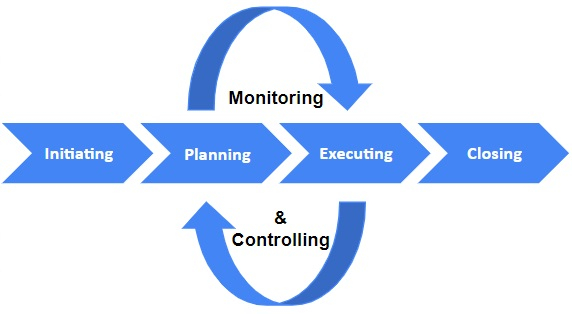
While AGILE represents the philosophy, several frameworks provide structured ways to implement it. Each framework aligns with AGILE values but offers different execution models.
Scrum is one of the most widely used AGILE frameworks. It organizes work into time-boxed sprints, typically lasting two to four weeks. Scrum includes defined roles such as Product Owner, Scrum Master, and Development Team. Daily stand-up meetings ensure alignment and accountability.
Kanban focuses on visualizing workflow using boards and task cards. It emphasizes continuous delivery rather than fixed sprints. Kanban helps teams manage work-in-progress limits and identify bottlenecks efficiently.
Lean methodology removes waste and optimizes processes. It aims to maximize value while minimizing unnecessary activities. Lean thinking encourages efficiency without sacrificing quality.
Extreme Programming (XP) concentrates on technical excellence and frequent releases. It integrates continuous testing and pair programming to enhance quality.
Choosing the right AGILE framework depends on organizational culture, project complexity, and team size. Some companies combine frameworks, creating hybrid models tailored to their needs.
The flexibility of AGILE frameworks allows organizations to experiment and refine their approach over time. There is no one-size-fits-all method. Instead, teams evolve systems that best support productivity and collaboration.
By adopting structured frameworks, businesses transform AGILE principles into practical execution strategies.
Benefits of AGILE Methodology for Modern Businesses
AGILE offers numerous advantages that explain its widespread adoption across industries. These benefits go beyond project management and influence organizational culture as a whole.
Faster time-to-market stands as one of the most significant advantages. Because work is divided into smaller increments, products reach customers sooner. Early releases allow companies to gather feedback and improve continuously.
Improved customer satisfaction is another major benefit. Frequent collaboration ensures that solutions align closely with customer expectations. Customers feel involved, valued, and heard throughout development.
Enhanced team productivity and morale result from increased autonomy. Self-organizing teams make decisions collectively, fostering accountability and ownership.
Risk reduction becomes possible because issues are identified early in iterative cycles. Instead of discovering problems at the final stage, teams address them immediately.
Transparency improves through daily meetings, progress tracking boards, and sprint reviews. Everyone understands goals, priorities, and progress metrics.
Adaptability remains the defining advantage of AGILE methodology. In volatile markets, businesses that pivot quickly outperform those bound by rigid structures.
Moreover, AGILE encourages innovation. Continuous experimentation creates opportunities for creative solutions. Organizations become learning ecosystems rather than static hierarchies.
Ultimately, AGILE transforms not only project outcomes but entire corporate cultures.
Implementing AGILE Successfully in Your Organization
Adopting AGILE requires more than simply conducting daily meetings or creating sprint boards. It demands cultural transformation and leadership commitment.
The first step involves educating teams about AGILE principles. Training programs, workshops, and certifications help establish a shared understanding.
Leadership support is critical. Executives must embrace flexibility and empower teams. Without leadership buy-in, AGILE initiatives often fail due to resistance to change.
Starting small can increase success rates. Many organizations begin with pilot teams before scaling AGILE company-wide. This approach allows learning and adjustment.
Communication channels should remain open and transparent. Feedback loops must operate efficiently across departments.
Tools such as digital boards, collaboration platforms, and performance dashboards enhance visibility. However, AGILE emphasizes people over tools, so technology should support—not replace—human collaboration.
Continuous improvement remains essential. Teams should conduct retrospectives after each sprint to evaluate performance and identify improvement areas.
Scaling AGILE across large enterprises may require frameworks like SAFe or LeSS. Regardless of the approach, alignment between departments ensures consistency.
Successful AGILE implementation transforms organizational mindset, not just workflow structures.
Challenges and Misconceptions About AGILE
Despite its popularity, AGILE faces misconceptions. Some believe it eliminates planning entirely. In reality, AGILE promotes adaptive planning rather than the absence of planning.
Others assume AGILE means working without documentation. However, documentation still exists—just in a leaner, more purposeful form.
Resistance to change poses one of the greatest challenges. Employees accustomed to hierarchical structures may struggle with self-organization.
Misaligned expectations can also cause difficulties. If stakeholders expect instant results without understanding iterative processes, frustration may arise.
AGILE requires discipline, transparency, and commitment. It is not a shortcut but a structured methodology focused on value delivery.
Scaling across distributed teams may introduce communication complexities. Proper tools and clear processes help mitigate these challenges.
Another common misconception is that AGILE works only in software development. Today, marketing teams, HR departments, and even educational institutions successfully apply AGILE principles.
Understanding these realities prevents unrealistic expectations and increases implementation success rates.
The Future of AGILE in 2026 and Beyond
As digital transformation accelerates, AGILE continues evolving. Artificial intelligence, automation, and remote collaboration tools are enhancing AGILE workflows.
Organizations increasingly combine AGILE with DevOps, cloud computing, and data analytics to create high-performance ecosystems.
Hybrid work environments make AGILE even more relevant. Remote teams rely on transparency and frequent communication to maintain alignment.
AI-powered analytics tools now help teams track sprint performance, predict bottlenecks, and optimize workflows.
Sustainability initiatives also integrate AGILE practices. Iterative improvement models support environmentally responsible innovation.
The integration of AGILE with emerging technologies positions businesses for long-term resilience.
As markets grow more unpredictable, adaptability becomes a survival skill. AGILE’s emphasis on flexibility ensures organizations remain prepared for uncertainty.
Ultimately, AGILE is not a temporary trend. It represents a permanent shift in how modern enterprises operate and innovate.
Conclusion: Why AGILE Is the Competitive Advantage of the Digital Age
AGILE methodology has redefined how organizations think, plan, and execute projects. By focusing on collaboration, adaptability, and continuous improvement, AGILE empowers teams to deliver meaningful value consistently.
In an era defined by rapid technological evolution and shifting consumer expectations, AGILE stands as a strategic necessity rather than an optional framework. It reduces risk, enhances customer satisfaction, and accelerates innovation.
From startups to multinational corporations, AGILE has proven its effectiveness across industries. Its principles encourage resilience, transparency, and sustainable growth.
Businesses that embrace AGILE position themselves to thrive in complexity rather than fear it. They transform challenges into opportunities and feedback into innovation.
As we move deeper into 2026 and beyond, AGILE will continue shaping the future of work. Organizations that internalize its mindset will lead markets, inspire teams, and deliver exceptional results.
AGILE is more than a methodology—it is the foundation of modern success in a dynamic, digital world.
Leave a Reply