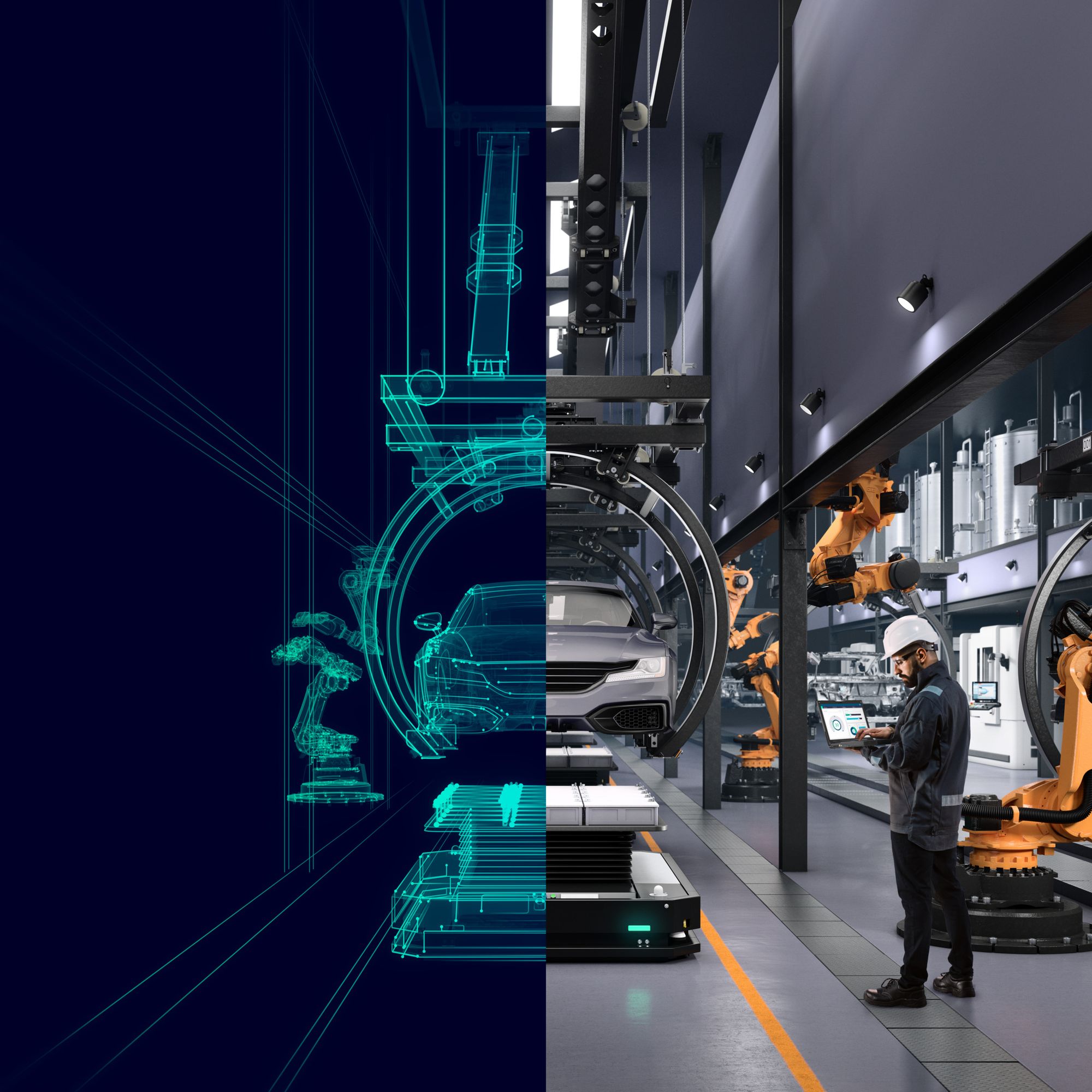
Introduction to Digital Twin Technology
In today’s rapidly evolving digital landscape, the concept of a Digital Twin is reshaping industries across the globe. A digital twin is a virtual replica of a physical object, process, system, or environment that mirrors its real-world counterpart in real time. This technology integrates Internet of Things (IoT), Artificial Intelligence (AI), Big Data analytics, and cloud computing to create dynamic simulations that continuously update with live data. The concept was first introduced by NASA for space missions, but today it powers smart factories, connected cities, and intelligent healthcare systems. By bridging the gap between the physical and digital worlds, digital twins enable organizations to monitor performance, predict failures, and optimize operations before issues arise.
The true power of a digital twin lies in its ability to simulate scenarios without impacting real-world systems. Businesses can test new processes, predict maintenance needs, and improve product designs using accurate data-driven insights. This results in cost reduction, improved efficiency, and minimized risks. As industries embrace digital transformation, digital twins are becoming a core element of Industry 4.0 strategies. Real-time monitoring, predictive analytics, and performance optimization are no longer futuristic ideas but practical solutions delivered by digital twin platforms. The technology not only enhances operational efficiency but also strengthens innovation capabilities.
With global investments increasing in smart technologies, digital twins are emerging as a competitive advantage. From aerospace to manufacturing, companies are leveraging digital replicas to gain deeper visibility into operations. The integration of digital twin technology with advanced machine learning models further enhances decision-making accuracy. As organizations move toward sustainable and data-driven business models, the digital twin serves as a powerful enabler of innovation. It represents the next evolution in intelligent automation and digital ecosystems.
How Digital Twin Technology Works
Understanding how digital twin technology functions requires exploring its core components. At its foundation, a digital twin collects data from sensors embedded in physical assets. These sensors transmit real-time data through IoT networks into cloud-based systems where the information is processed and analyzed. Advanced algorithms then replicate the asset’s behavior within a virtual environment. The combination of IoT connectivity, data analytics, and AI-driven simulations ensures the digital twin mirrors the physical object accurately.
The system continuously updates as new data flows in, creating a dynamic and evolving model. Machine learning algorithms identify patterns, predict outcomes, and recommend actions based on historical and real-time data. This predictive capability allows organizations to anticipate equipment failures or performance bottlenecks before they occur. Digital twins can also run simulations to test “what-if” scenarios without interrupting real-world operations. Predictive maintenance and scenario modeling are among the most valuable benefits derived from this technology.
Cloud computing plays a crucial role in ensuring scalability and accessibility. Data storage, analytics, and visualization tools are hosted in secure cloud environments, allowing teams to access insights remotely. Integration with enterprise systems such as ERP and CRM further enhances business intelligence. As a result, digital twins transform raw data into actionable insights that improve operational efficiency and strategic planning. The continuous feedback loop between physical and digital systems drives smarter decision-making.
Applications of Digital Twin Across Industries
Digital twin technology is revolutionizing multiple industries with transformative applications. In manufacturing, companies use digital twins to optimize production lines and reduce downtime. By simulating equipment performance, manufacturers can identify inefficiencies and improve product quality. Automotive companies use digital twins to test vehicle designs before production, reducing development costs and enhancing safety. Smart manufacturing and predictive quality control are key advantages in this sector.
In healthcare, digital twins are being used to create personalized patient models. Doctors can simulate treatment outcomes and tailor therapies to individual needs. Hospitals use digital twins to optimize facility management and improve patient flow. The technology enhances diagnostics and supports preventive care initiatives. Personalized medicine and intelligent healthcare management represent groundbreaking advancements driven by digital twins.
Smart cities also benefit from digital twin integration. Urban planners use digital replicas of cities to manage infrastructure, traffic flow, and energy consumption. By analyzing real-time data, city administrators can improve sustainability and disaster response strategies. Energy companies use digital twins to monitor power grids and optimize renewable energy integration. These applications highlight how digital twins contribute to efficient and sustainable development. From connected factories to intelligent cities, digital twin technology is redefining modern infrastructure.
Benefits of Implementing Digital Twin Technology
One of the primary benefits of digital twin technology is improved operational efficiency. By monitoring systems in real time, businesses can identify performance gaps and optimize resource allocation. Predictive maintenance reduces downtime and extends asset lifespan, resulting in significant cost savings. Companies can also test design modifications virtually before physical implementation, minimizing risk. Cost reduction, enhanced productivity, and risk mitigation are fundamental advantages of digital twin adoption.
Another major benefit is data-driven innovation. Digital twins provide detailed insights into product performance and customer usage patterns. These insights help organizations develop better products and services tailored to market demands. In competitive markets, the ability to innovate quickly and accurately is essential. Digital twins empower companies to experiment safely and efficiently. Faster innovation cycles and improved customer experiences strengthen brand reputation and market position.
Sustainability is another critical advantage. Digital twins enable organizations to track energy usage, reduce waste, and optimize supply chains. By simulating environmental impact scenarios, companies can align operations with sustainability goals. Governments and enterprises increasingly rely on digital twins to support green initiatives. As environmental concerns grow globally, digital twins play a vital role in creating responsible and sustainable systems. Sustainable transformation and eco-efficient operations define the future of digital twin technology.
Challenges and Limitations of Digital Twin Adoption
Despite its numerous benefits, digital twin technology faces certain challenges. One significant barrier is high implementation cost. Developing accurate digital replicas requires advanced infrastructure, sensors, and skilled professionals. Small and medium-sized enterprises may struggle with the financial investment required. However, as technology becomes more accessible, costs are expected to decrease. Initial capital investment and infrastructure complexity remain key concerns for many organizations.
Data security and privacy issues also pose challenges. Since digital twins rely heavily on real-time data collection, organizations must ensure robust cybersecurity measures. Unauthorized access to sensitive operational data can lead to serious risks. Integrating digital twins with legacy systems may also present technical difficulties. Businesses must adopt secure cloud solutions and compliance frameworks to protect information. Cybersecurity and system integration challenges require careful strategic planning.
Another limitation involves data accuracy and reliability. If sensor data is incomplete or inaccurate, the digital twin model may produce misleading insights. Continuous monitoring and calibration are essential to maintain precision. Organizations must invest in high-quality data management practices. Addressing these challenges ensures the digital twin remains a reliable and effective tool. Accurate data governance and technical expertise are crucial for long-term success.
Future Trends of Digital Twin Technology
The future of digital twin technology looks exceptionally promising. As artificial intelligence and machine learning evolve, digital twins will become more autonomous and intelligent. Real-time analytics will enable instant decision-making with minimal human intervention. Industries will increasingly adopt digital twins to enhance automation and operational resilience. AI-powered digital twins and autonomous systems represent the next phase of innovation.
Integration with augmented reality (AR) and virtual reality (VR) will further enhance visualization capabilities. Engineers and technicians will interact with digital twins in immersive 3D environments. This advancement will improve training, maintenance, and collaborative problem-solving. As 5G networks expand, faster data transmission will support more complex and real-time simulations. Immersive visualization and high-speed connectivity will drive greater adoption across industries.
Moreover, sustainability and smart ecosystems will shape the future direction of digital twin development. Governments and corporations will leverage digital twins to meet climate goals and optimize energy systems. The convergence of IoT, AI, blockchain, and cloud technologies will create highly interconnected digital ecosystems. Digital twins will evolve beyond individual assets to represent entire value chains and supply networks. The rise of interconnected intelligent ecosystems will define the next generation of digital transformation.
Conclusion: Why Digital Twin Is the Future of Innovation
Digital twin technology is more than a technological trend—it is a transformative innovation reshaping industries worldwide. By creating virtual replicas of physical systems, organizations gain unprecedented insights into performance, efficiency, and sustainability. From manufacturing and healthcare to smart cities and energy management, digital twins empower data-driven decision-making and predictive optimization. Real-time simulation, predictive intelligence, and strategic innovation position digital twins as a cornerstone of Industry 4.0.
As digital transformation accelerates, companies that embrace digital twin solutions will gain a significant competitive edge. The ability to simulate, analyze, and optimize operations in a virtual environment reduces risk and enhances agility. While challenges such as cost and cybersecurity remain, continuous technological advancements are addressing these barriers. The future of smart industries depends on intelligent digital ecosystems powered by digital twin technology.
In conclusion, digital twins are revolutionizing how businesses operate and innovate. They provide the foundation for smarter, more efficient, and sustainable systems across sectors. As organizations continue investing in AI, IoT, and cloud technologies, digital twins will become an essential component of digital strategies. The journey toward a fully connected and intelligent world is driven by the power of digital twin technology.
Leave a Reply