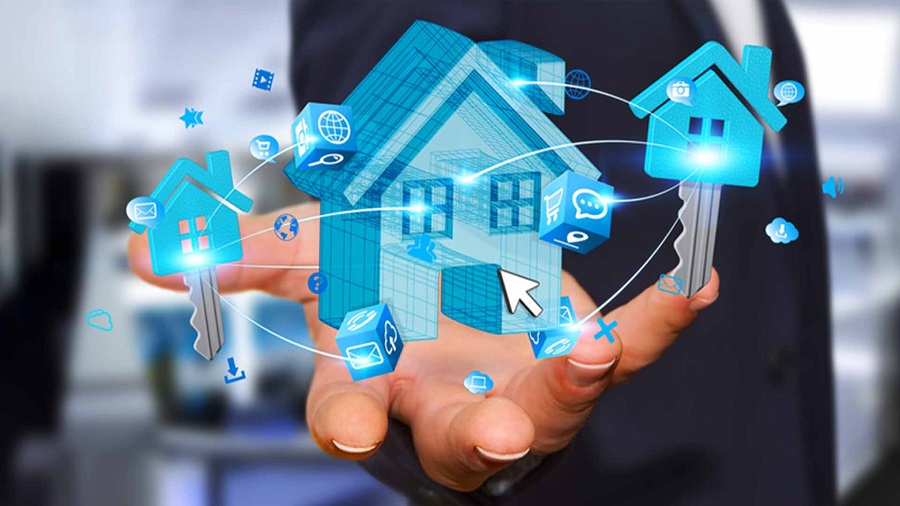
Introduction: The Digital Revolution in Real Estate
The real estate industry, traditionally known for its slow adoption of innovation, is undergoing a massive transformation with the rise of PropTech (Property Technology). PropTech refers to the use of digital solutions, platforms, and technologies to buy, sell, manage, and optimize real estate assets. From smart homes to AI-driven property analytics, this sector is redefining how people interact with real estate.
PropTech is not just digitizing real estate—it is revolutionizing how properties are built, managed, and experienced. It brings efficiency, transparency, and accessibility to a traditionally complex and fragmented industry.
With rapid urbanization and growing demand for smart living solutions, PropTech is becoming a key driver of innovation in the global real estate market. This transformation is reshaping the future of property ownership and management.
The Evolution of PropTech
The journey of PropTech began with the digitization of property listings and has evolved into a comprehensive ecosystem of advanced technologies. Early real estate transactions relied heavily on manual processes, paperwork, and physical interactions.
The shift from offline to online property platforms has significantly improved accessibility and efficiency in the real estate market. Buyers and sellers can now connect seamlessly through digital platforms.
The integration of advanced technologies such as AI, IoT, and big data has transformed PropTech into a dynamic and rapidly evolving industry. These technologies are enabling smarter decision-making and better property management.
Today, PropTech continues to evolve, driven by innovation and changing consumer expectations.
Key Technologies Driving PropTech
Technology is at the core of PropTech, enabling new ways of interacting with real estate. Several key technologies are driving this transformation.
Artificial intelligence (AI) is enhancing property valuation, market analysis, and customer experience by providing data-driven insights. This helps buyers and investors make informed decisions.
The Internet of Things (IoT) is powering smart homes and buildings, enabling automation, energy efficiency, and improved security. Connected devices are transforming living spaces into intelligent environments.
Virtual reality (VR), augmented reality (AR), and blockchain are also playing significant roles in improving transparency, visualization, and transaction security in real estate.
Smart Homes and Smart Buildings
Smart homes and buildings are among the most visible outcomes of PropTech innovation. These technologies enhance comfort, convenience, and sustainability.
Smart homes use connected devices to automate functions such as lighting, temperature control, and security, providing a seamless living experience. This improves both convenience and energy efficiency.
Smart buildings leverage advanced systems to optimize energy usage, reduce costs, and enhance occupant comfort. These buildings are designed to be environmentally sustainable and technologically advanced.
As demand for smart living increases, the adoption of these technologies is expected to grow significantly.
PropTech in Property Transactions
PropTech is transforming property transactions by making them faster, more transparent, and more efficient. Digital platforms are simplifying the buying and selling process.
Online property platforms allow users to search, compare, and purchase properties from the comfort of their homes. This reduces the need for physical visits and paperwork.
Blockchain technology is enhancing transparency and security in real estate transactions, reducing the risk of fraud. Smart contracts enable automated and secure agreements.
These innovations are streamlining the transaction process and improving trust in the real estate market.
Challenges in the PropTech Industry
Despite its rapid growth, the PropTech industry faces several challenges that must be addressed to ensure sustainable development.
Data privacy and cybersecurity are major concerns, as digital platforms handle sensitive information related to property transactions. Ensuring data protection is critical.
High implementation costs can be a barrier to adopting advanced PropTech solutions, particularly for smaller players. This limits widespread adoption.
Other challenges include regulatory complexities, lack of standardization, and resistance to change within the traditional real estate sector.
The Future of PropTech
The future of PropTech is filled with opportunities for innovation and growth. Emerging technologies and trends are set to redefine the real estate landscape.
The development of smart cities will integrate PropTech solutions to create connected, efficient, and sustainable urban environments. This will enhance the quality of life for residents.
The rise of the metaverse and virtual real estate will open new possibilities for property ownership and investment. Digital properties are becoming a new asset class.
As the industry evolves, PropTech will continue to play a key role in shaping the future of real estate.
Conclusion: Building the Future with PropTech
PropTech is revolutionizing the real estate industry, bringing innovation, efficiency, and transparency to every aspect of property management and transactions. Its impact is transforming how people live, work, and invest in real estate.
The success of PropTech depends on the ability to embrace innovation, address challenges, and adapt to changing market dynamics. Continuous development is essential for growth.
By leveraging technology and focusing on sustainability and user experience, PropTech can create smarter, more connected, and more efficient real estate ecosystems. The future of real estate is digital, and PropTech is leading the way.
Leave a Reply